An extinct group
Duck-billed dinosaurs †
Hadrosauridae
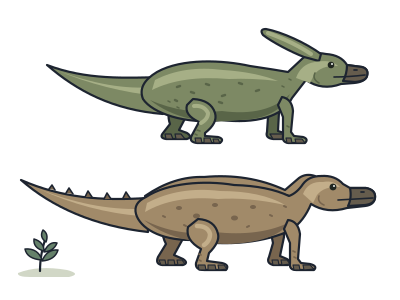
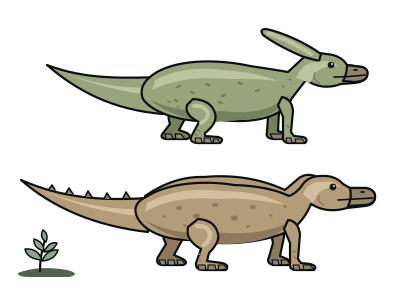
Duck-like beaks, hundreds of teeth and many plant-eaters living in herds.
This branch is shown at about 86 million years ago; its age is a rough estimate.
Lived about 86–66 million years ago.
You and duck-billed dinosaurs meet in the Amniotes branch, shown at about 320 million years ago (on 4 December, in a calendar from life's shared ancestor to today).
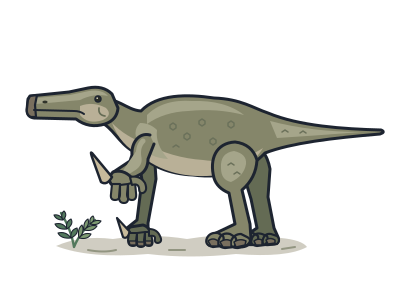
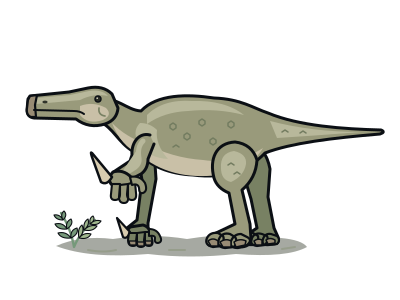
Duck-billed dinosaurs were plant-eaters with hundreds of grinding teeth. Fossil finds suggested that many lived in herds. They were close relatives of Iguanodon, making their unusual mouths part of a wider dinosaur family story. They lived about 86 to 66 million years ago.
The duck-like beak was only the front of their feeding equipment. It had no teeth and gathered food. Farther back, tightly packed small teeth formed broad grinding surfaces. So a toothless beak did not mean a toothless mouth: these dinosaurs could grind down the plants they gathered.
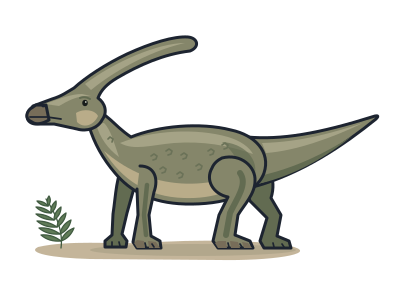
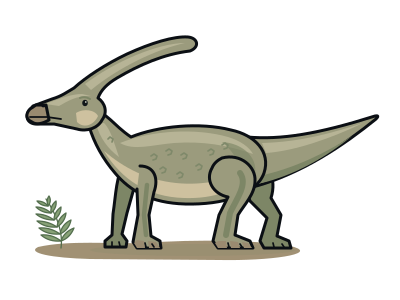
Members of this family could look quite different above the beak. Parasaurolophus had a long, tube-shaped bony head crest that swept backwards. Edmontosaurus belonged to the same family but lacked such an elaborate bony crest.
Replacement teeth
Worn teeth were continually replaced, keeping the grinding surfaces working.
Looping nose passages
Inside the Parasaurolophus crest, passages from the nostrils ran backwards, looped around and returned towards the skull.
Different-sized skin bumps
Skin impressions on an Edmontosaurus fossil showed larger bumps on the back and sides and smaller ones around flexible joints.
Inside duck-billed dinosaurs
- ParasaurolophusA duck-billed dinosaur whose hollow head crest could trumpet like a trombone.
- EdmontosaurusKnown from 'mummies' with skin, and from a bone bitten by T. rex that healed.
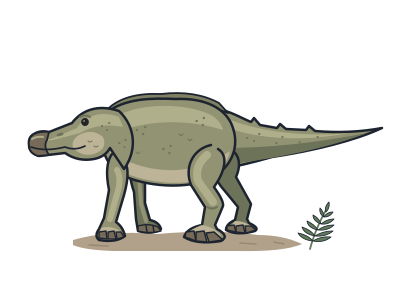
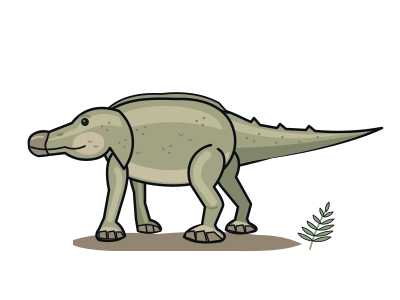
- MaiasauraNests full of young provided evidence that some dinosaurs cared for their offspring.
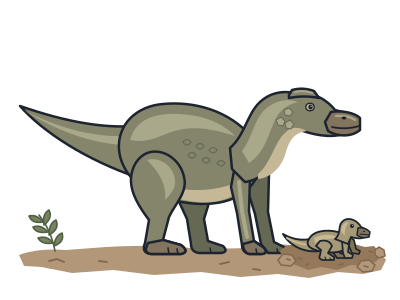
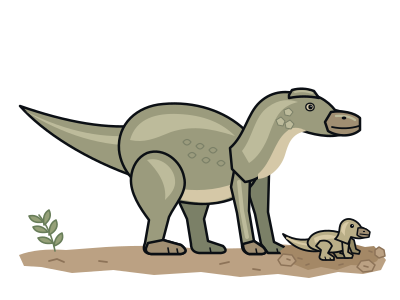
- LambeosaurusWore a hollow hatchet-shaped crest on its head.
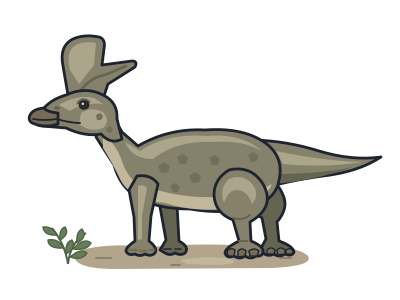
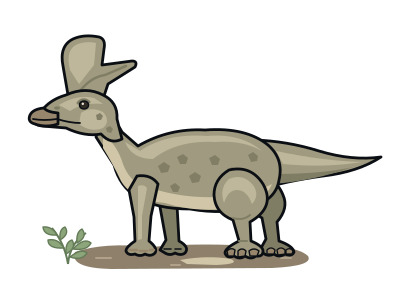
- CorythosaurusA duck-billed dinosaur with a helmet-shaped crest; skin impressions show its scales.