A species
Orchid bee
Euglossa imperialis
Males collect perfumes from orchids and store them in swollen back legs.
You and the orchid bee meet in the Two-sided animals branch, shown at about 580 million years ago (on 11 November, in a calendar from life's shared ancestor to today).
Two-sided animalsStarfish, sea squirts and usChordatesVertebratesJawed vertebratesBony fish and their descendantsLobe-finned fishFish on the way to landFour-limbed animalsAmniotesMammals and their ancestorsMammalsLive-bearing mammalsPlacental mammalsPrimates, rodents and rabbitsPrimatesApesGreat apesHumans and chimpanzeesHumanMouth-first animalsMoulting animalsArthropods and kinArthropodsCrustaceans and insectsInsectsWinged insectsInsects with full metamorphosisBees, wasps and antsBeesOrchid bee
Males collect perfumes from orchids and store them in swollen back legs.
The full page for Orchid bee is still being written and drawn.
Next to it on the tree
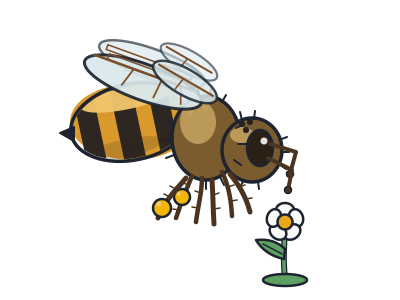
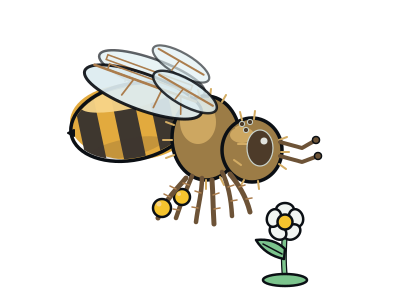
- Western honey beeTalks in dances, builds in hexagons, and pollinates much of our food.
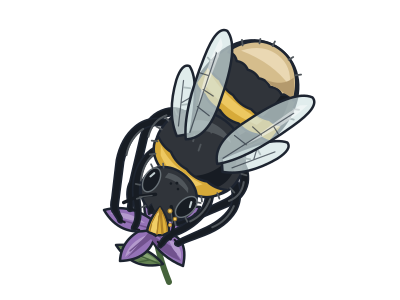
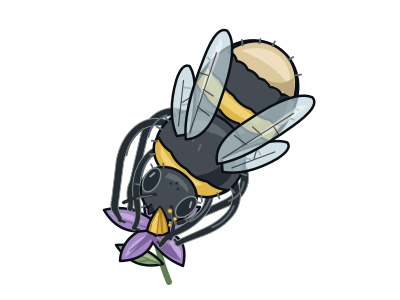
- Buff-tailed bumblebeeA furry bee that shivers its muscles to warm up and buzzes pollen out of flowers.
- Wallace's giant beeThe largest bee, as long as a thumb, thought lost until rediscovered in 2019.
- Violet carpenter beeA big black bee with violet wings that chews nest tunnels in dead wood.
- Red mason beeA gentle spring bee that nests in hollow stems and garden bee hotels.
- Sugarbag beeAn Australian stingless bee that builds spiral brood combs and makes tangy honey.
- Blue-banded beeHead-bangs flowers to shake out pollen, a trick tomatoes need.
- Dominican amber stingless beeBees trapped in amber with pollen on their legs, once said to yield ancient DNA.