A species
Blue-banded bee
Amegilla cingulata
Head-bangs flowers to shake out pollen, a trick tomatoes need.
You and the blue-banded bee meet in the Two-sided animals branch, shown at about 580 million years ago (on 11 November, in a calendar from life's shared ancestor to today).
Two-sided animalsStarfish, sea squirts and usChordatesVertebratesJawed vertebratesBony fish and their descendantsLobe-finned fishFish on the way to landFour-limbed animalsAmniotesMammals and their ancestorsMammalsLive-bearing mammalsPlacental mammalsPrimates, rodents and rabbitsPrimatesApesGreat apesHumans and chimpanzeesHumanMouth-first animalsMoulting animalsArthropods and kinArthropodsCrustaceans and insectsInsectsWinged insectsInsects with full metamorphosisBees, wasps and antsBeesBlue-banded bee
Head-bangs flowers to shake out pollen, a trick tomatoes need.
The full page for Blue-banded bee is still being written and drawn.
Next to it on the tree
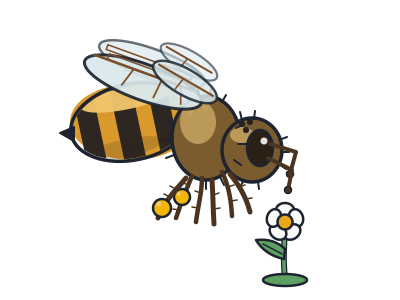
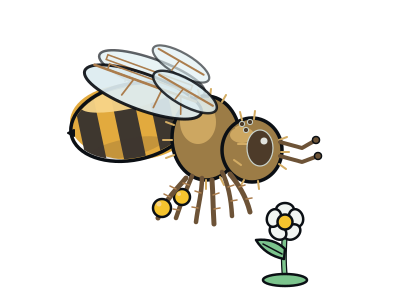
- Western honey beeTalks in dances, builds in hexagons, and pollinates much of our food.
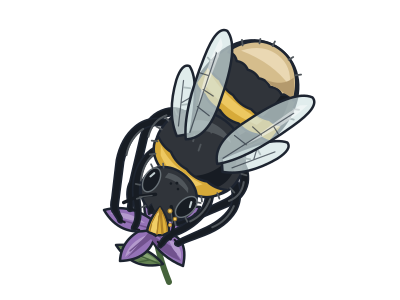
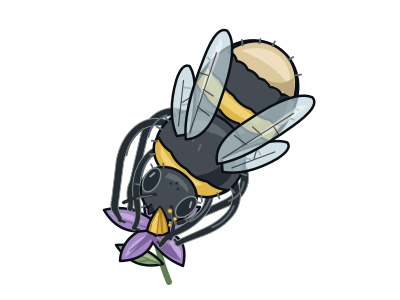
- Buff-tailed bumblebeeA furry bee that shivers its muscles to warm up and buzzes pollen out of flowers.
- Wallace's giant beeThe largest bee, as long as a thumb, thought lost until rediscovered in 2019.
- Violet carpenter beeA big black bee with violet wings that chews nest tunnels in dead wood.
- Red mason beeA gentle spring bee that nests in hollow stems and garden bee hotels.
- Sugarbag beeAn Australian stingless bee that builds spiral brood combs and makes tangy honey.
- Orchid beeMales collect perfumes from orchids and store them in swollen back legs.
- Dominican amber stingless beeBees trapped in amber with pollen on their legs, once said to yield ancient DNA.