A group of living things
Kangaroos and wallabies
Macropodidae
Big feet, a balancing tail and a hopping gait: the family spans tiny wallabies to tree climbers.
This branch is shown at about 18 million years ago; its age is a rough estimate.
You and kangaroos and wallabies meet in the Live-bearing mammals branch, shown at about 160 million years ago (on 18 December, in a calendar from life's shared ancestor to today).
Compare with something else
Big feet, a balancing tail and a hopping gait: the family spans tiny wallabies to tree climbers.
The full page for Kangaroos and wallabies is still being written and drawn.
Inside kangaroos and wallabies
- Red kangarooHops at highway speeds using its tendons like springs, and can pause a pregnancy.
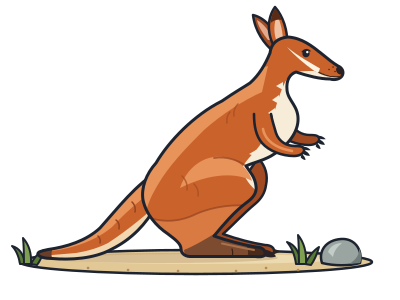
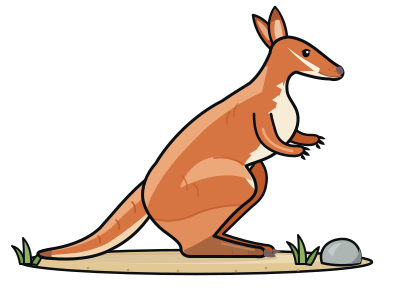
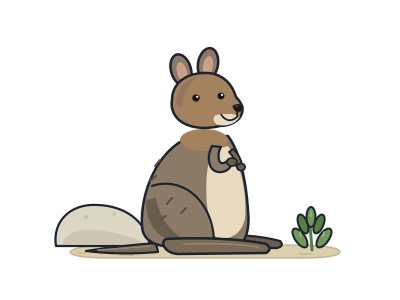
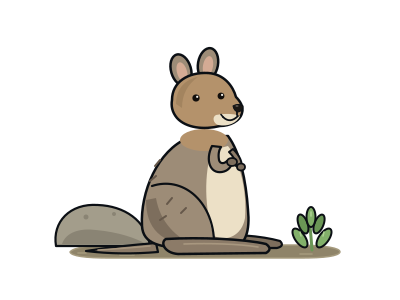
- QuokkaA cat-sized wallaby whose upturned mouth makes it look as if it is always smiling.
- Goodfellow’s tree-kangarooA kangaroo that went back up into the trees, with strong arms and a long balancing tail.
- Giant short-faced kangarooAn Ice Age kangaroo about two metres tall that probably walked upright instead of hopping.
Next to it on the tree
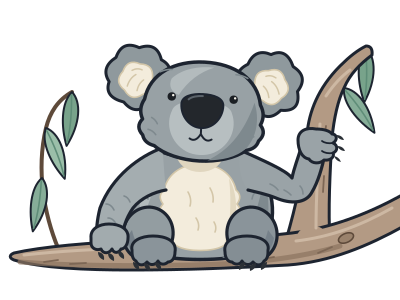
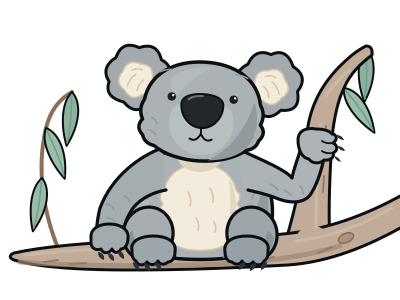
- KoalaLives on toxic eucalyptus leaves and sleeps up to 20 hours a day to save energy.
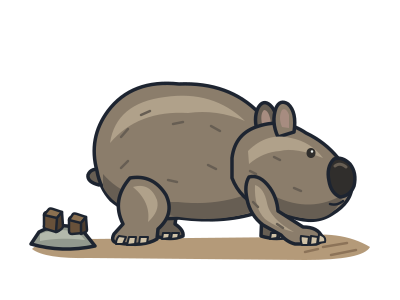
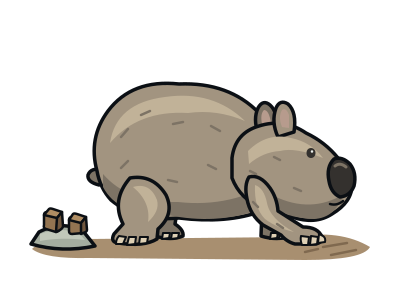
- Common wombatA burrowing bulldozer whose droppings come out cube-shaped.
- DiprotodonA rhino-sized wombat relative, the largest marsupial that ever lived.
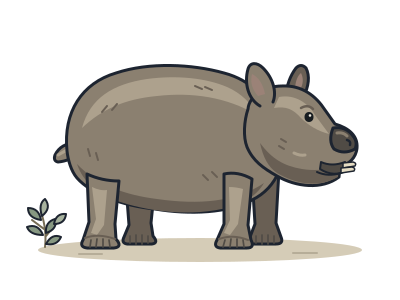
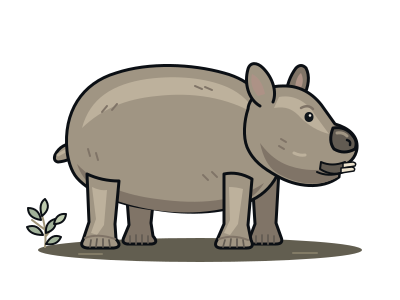
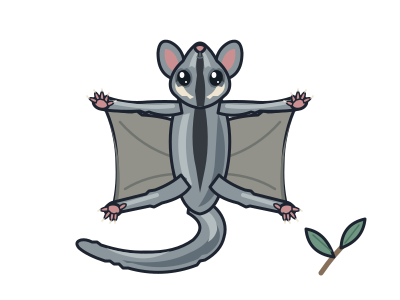
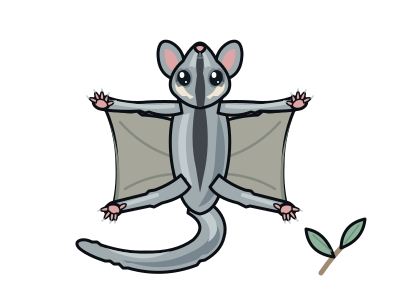
- Sugar gliderGlides between trees on skin flaps stretched from wrist to ankle.
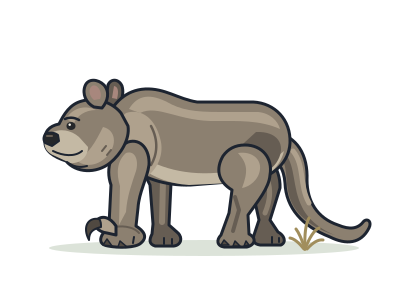
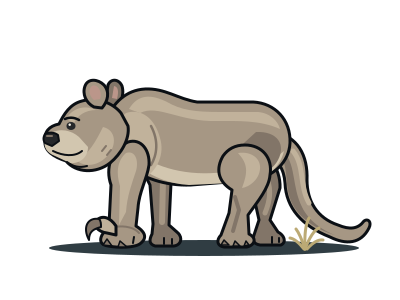
- Marsupial lionA leopard-sized predator that evolved from plant-eating wombat relatives.
- Common brushtail possumAustralia’s backyard possum, at home in roofs and gardens; an invasive pest in New Zealand.