An extinct species
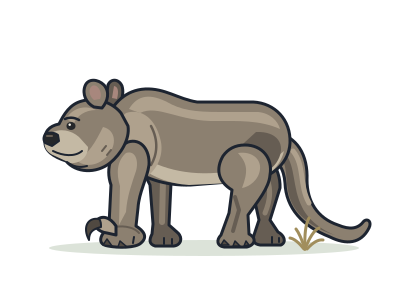
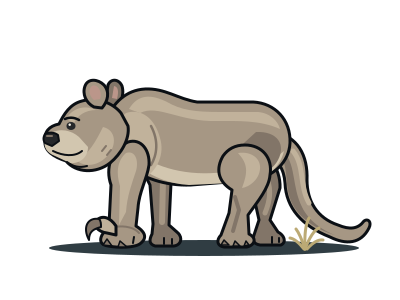
Diprotodon †
Diprotodon optatum
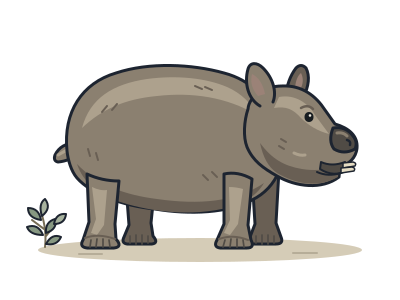
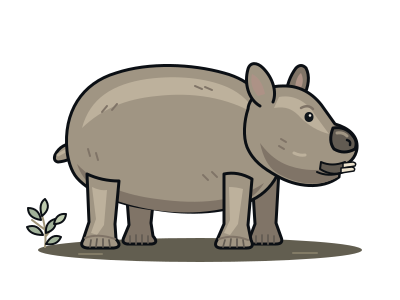
A wombat relative on a rhinoceros scale.
Lived about 1.8–0.04 million years ago.
You and the diprotodon meet in the Live-bearing mammals branch, shown at about 160 million years ago (on 18 December, in a calendar from life's shared ancestor to today).
This rhino-sized relative of wombats and koalas was the largest marsupial known. It belonged to the same broad mammal group as kangaroos, but it did not hop. It lived in Australia about 1.8 million to 40,000 years ago.
Complete skulls and skeletons revealed a huge head, a barrel-shaped body and four sturdy legs. It walked on all fours, with small feet turned slightly inwards. At about 3 metres long, it was roughly the length of a small car.
It ate plants and lived across much of Australia. Its homes included open woodlands and plains with little rain, so it was not just a desert animal. Fossil bones gave strong clues to its build and movement, but its exact colour and the thickness of its coat remained unknown.
A lighter skull
Numerous air spaces inside its enormous skull made it relatively lightweight.
A meal preserved
Saltbush remains were found in the belly region of one skeleton from Lake Callabonna.
Oversized front teeth
Two enormous front teeth projected forwards from its lower jaw.
Next to it on the tree
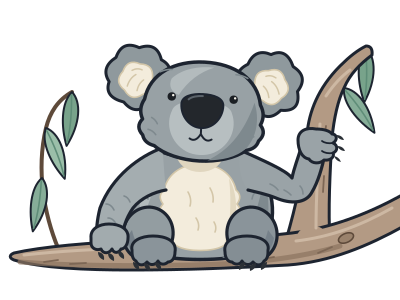
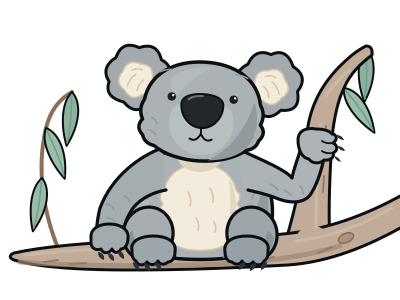
- KoalaLives on toxic eucalyptus leaves and sleeps up to 20 hours a day to save energy.
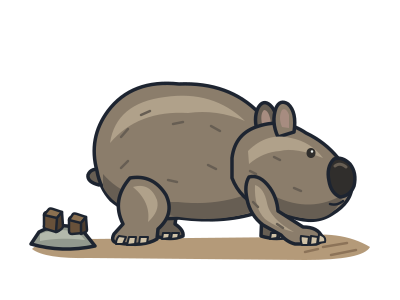
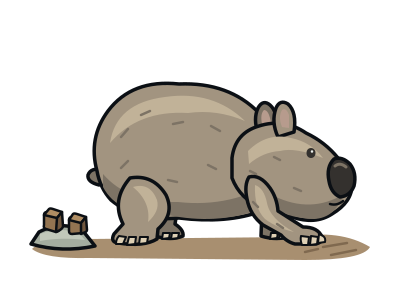
- Common wombatA burrowing bulldozer whose droppings come out cube-shaped.
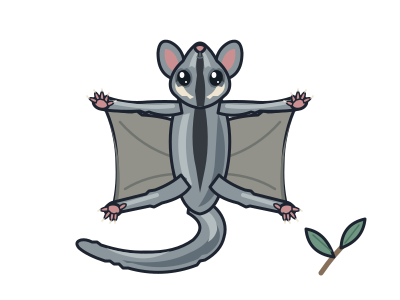
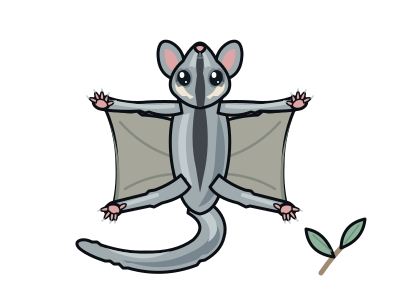
- Sugar gliderGlides between trees on skin flaps stretched from wrist to ankle.
- Marsupial lionA leopard-sized predator that evolved from plant-eating wombat relatives.
- Kangaroos and wallabiesBig feet, a balancing tail and a hopping gait: the family spans tiny wallabies to tree climbers.
- Common brushtail possumAustralia’s backyard possum, at home in roofs and gardens; an invasive pest in New Zealand.