A species
Sugar glider
Petaurus breviceps
A kangaroo relative with skin flaps for gliding.
You and the sugar glider meet in the Live-bearing mammals branch, shown at about 160 million years ago (on 18 December, in a calendar from life's shared ancestor to today).
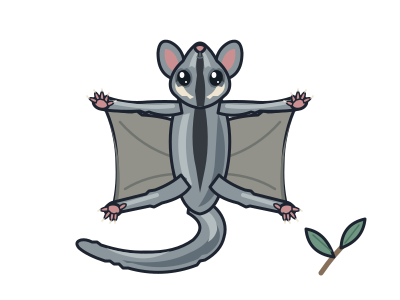
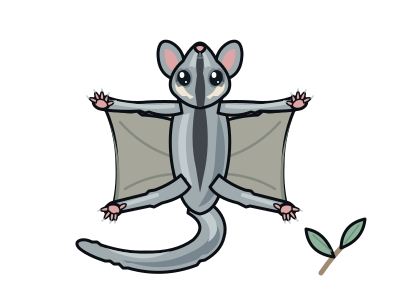
A sugar glider spreads all four legs to open sheets of skin stretching from wrist to ankle. These make a broad surface for gliding between trees, while its long, bushy tail helps with balance and steering. This tree traveller belongs to the same broad marsupial group as kangaroos, koalas and wombats.
It may look like a flying squirrel, but the resemblance does not mean they are close relatives. The two groups evolved their gliding skin flaps independently. Sugar gliders glide rather than fly by flapping wings: those flaps are part of their sides, not a separate pair of wings.
Sugar gliders are mainly active at night. By day, they sleep in nests made of leaves inside tree hollows. Their forest and woodland home lies on the coastal side of eastern Australia's Great Dividing Range.
Gripping toes
Each hind foot has a big toe that can grip against the other toes, helping the glider hold branches.
A varied voice
Sugar gliders make barks, hisses and a harsh alarm sound often called crabbing.
Pouch passengers
Twins are common. The young stay in their mother's pouch for just over two months.
Next to it on the tree
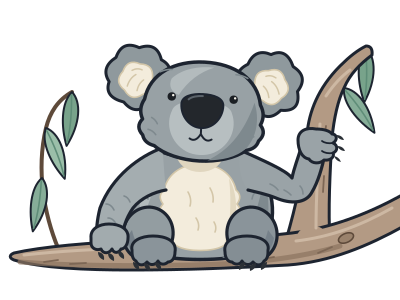
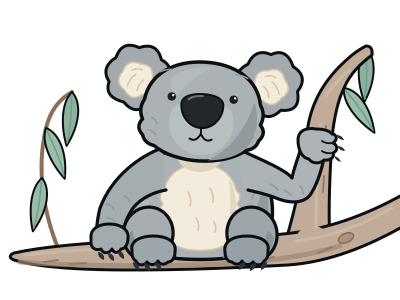
- KoalaLives on toxic eucalyptus leaves and sleeps up to 20 hours a day to save energy.
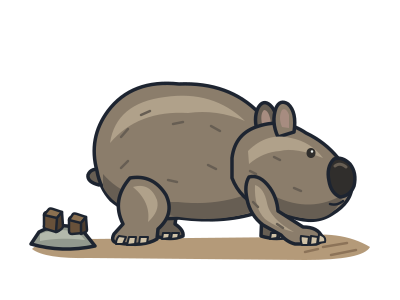
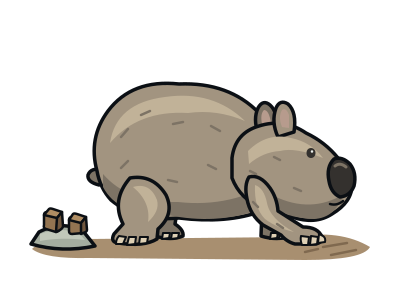
- Common wombatA burrowing bulldozer whose droppings come out cube-shaped.
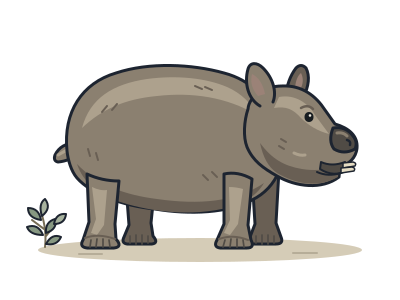
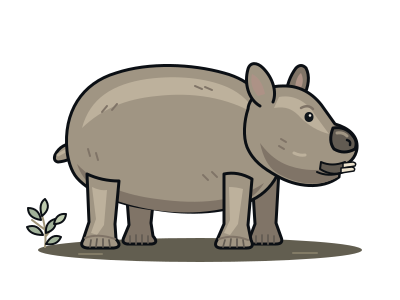
- DiprotodonA rhino-sized wombat relative, the largest marsupial that ever lived.
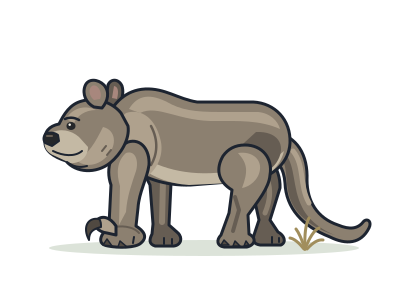
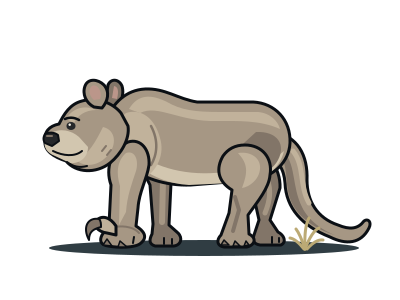
- Marsupial lionA leopard-sized predator that evolved from plant-eating wombat relatives.
- Kangaroos and wallabiesBig feet, a balancing tail and a hopping gait: the family spans tiny wallabies to tree climbers.
- Common brushtail possumAustralia’s backyard possum, at home in roofs and gardens; an invasive pest in New Zealand.