A group of living things
Kangaroos, koalas and wombats
Diprotodontia
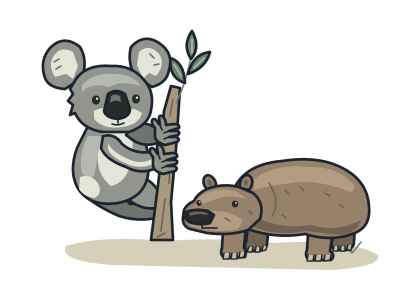
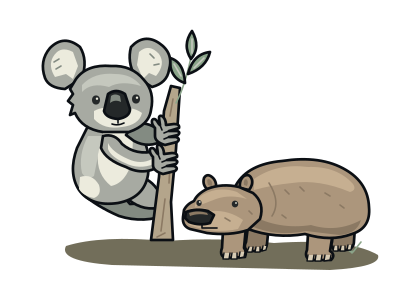
A tree-climber's closest living relatives are burrow-diggers.
This branch is shown at about 50 million years ago; its age is a rough estimate.
You and kangaroos, koalas and wombats meet in the Live-bearing mammals branch, shown at about 160 million years ago (on 18 December, in a calendar from life's shared ancestor to today).
The koala's closest living relatives are wombats. That may seem surprising when you picture a koala holding a branch and a wombat digging underground. Together with kangaroos, wallabies and possums, they make up the largest of the main marsupial groups by number of species. Their family connection is not about all looking alike or moving in the same way.
One clue to that connection sits inside their mouths: a prominent pair of front teeth in the lower jaw helps identify this group. Most members eat plants, but that does not mean they all share one menu. Some eat insects, while others specialise in sap and nectar.
A koala and a wombat show how different lives within this family can be. Koalas have strong limbs for gripping branches. Wombats have powerful digging limbs, broad feet and flattened claws. They are among the world's largest burrowing animals. Not every member of the kangaroo's wider family gets around by hopping.
Joined toes, separate claws
Two toes on each hind foot are joined together, but their claws remain separate.
Teeth that keep growing
Wombats' front teeth and grinding teeth keep growing throughout life.
Choosy leaf-eaters
Koalas mainly eat leaves from selected eucalypt trees, rather than every kind of gum leaf.
Inside kangaroos, koalas and wombats
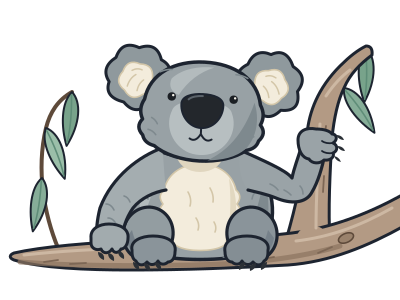
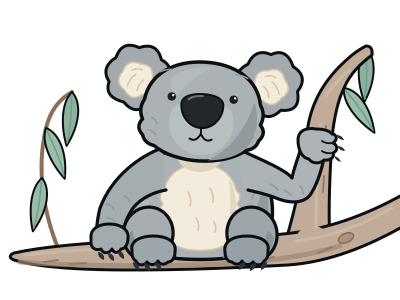
- KoalaLives on toxic eucalyptus leaves and sleeps up to 20 hours a day to save energy.
- Common wombatA burrowing bulldozer whose droppings come out cube-shaped.
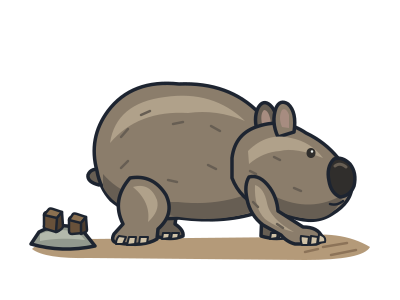
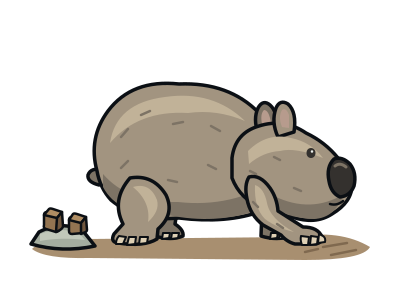
- DiprotodonA rhino-sized wombat relative, the largest marsupial that ever lived.
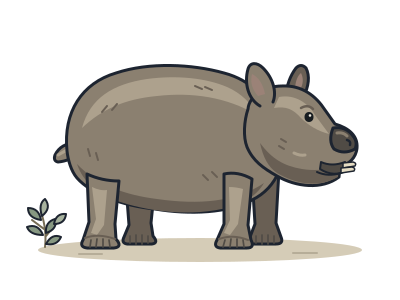
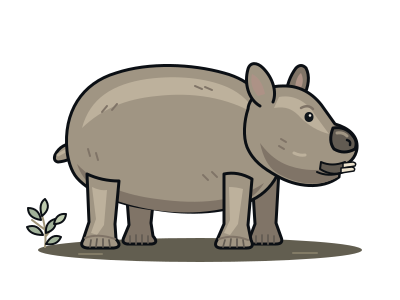
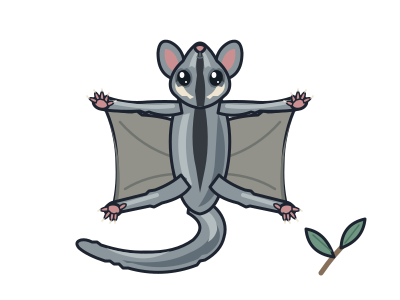
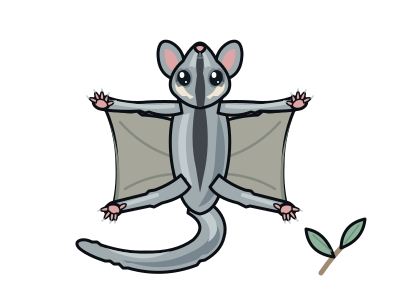
- Sugar gliderGlides between trees on skin flaps stretched from wrist to ankle.
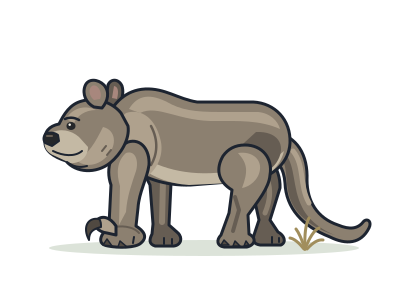
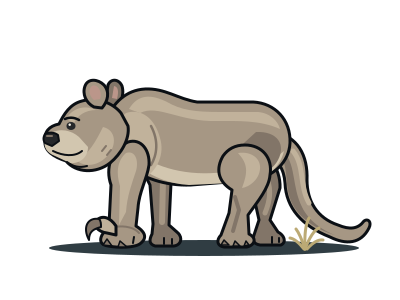
- Marsupial lionA leopard-sized predator that evolved from plant-eating wombat relatives.
- Kangaroos and wallabiesBig feet, a balancing tail and a hopping gait: the family spans tiny wallabies to tree climbers.
- Common brushtail possumAustralia’s backyard possum, at home in roofs and gardens; an invasive pest in New Zealand.
Next to it on the tree
- Virginia opossumThe only living marsupial north of Mexico, famous for an involuntary playing-dead response.
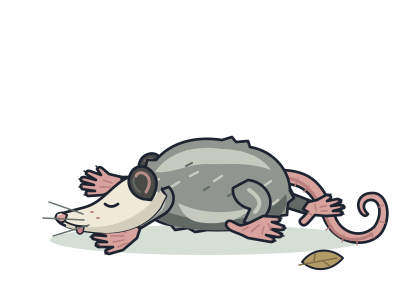
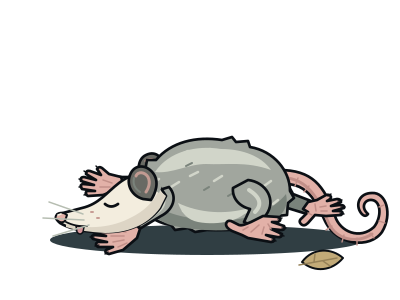
- Marsupial meat-eatersAustralia's pouched hunters: devils, quolls, numbats and the lost thylacine.
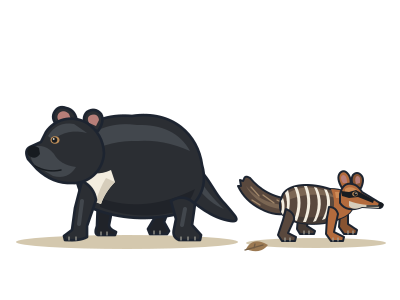
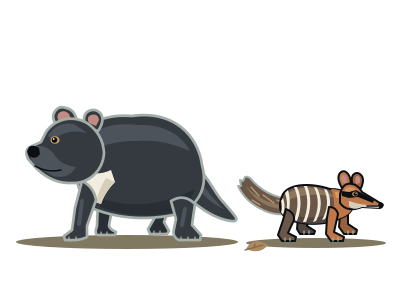
- Greater bilbyA long-eared desert digger that Australians promote as the Easter Bilby instead of the rabbit.
- Monito del monteA tiny South American marsupial whose closest relatives live in Australia, not next door.