A species
Common wombat
Vombatus ursinus
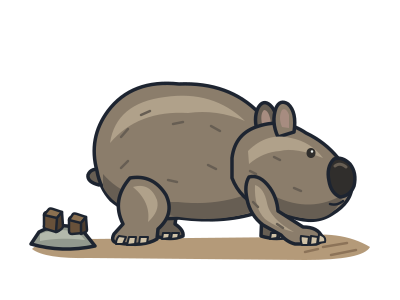
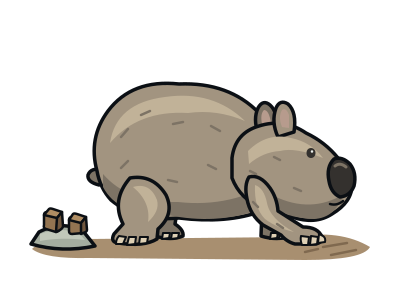
A burrowing bulldozer with cube-shaped droppings.
You and the common wombat meet in the Live-bearing mammals branch, shown at about 160 million years ago (on 18 December, in a calendar from life's shared ancestor to today).
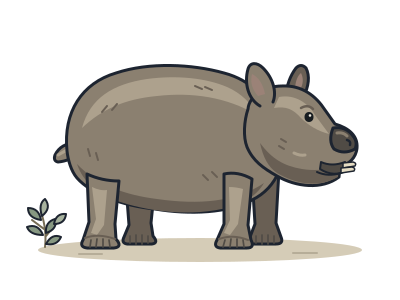
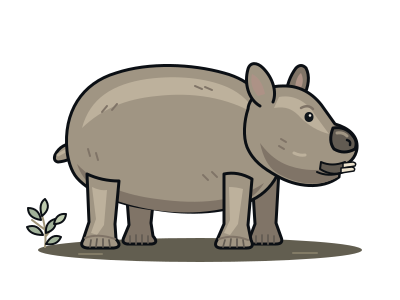
The common wombat is a burrowing bulldozer whose droppings come out cube-shaped. Its powerful limbs, broad feet and flattened claws make it a strong digger. Yet outside the wombat family, its closest living relative is the koala. These underground diggers and tree-dwellers are both marsupials: mammals whose young are born tiny and very undeveloped.
Those remarkable cubes take shape inside the gut, not at the exit. Some sections of the gut wall stretch more easily than others. Together with muscle movements and drying, these differences help form the corners. Wombats leave their droppings in noticeable places, including rocks and logs, to communicate with other wombats.
Digging even shapes family life. A female's pouch opens towards her rear, helping keep flying dirt away from her young. Above ground, common wombats mainly graze on native grasses and similar plants. They generally live alone, although their home areas overlap and they sometimes share burrows.
Bare nose, hairy relatives
There are three living wombat species. The common wombat has a bare nose; the other two have hairy noses.
Teeth that keep growing
Its front teeth grow throughout life and work like cutters for tough plant food.
Not always a night owl
Common wombats usually emerge after sunset, but may feed during cool or cloudy days.
Next to it on the tree
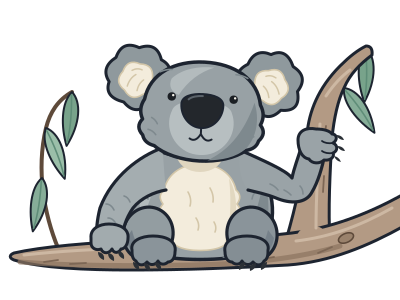
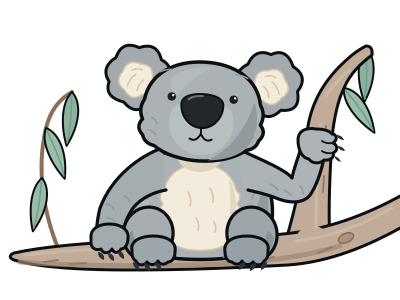
- KoalaLives on toxic eucalyptus leaves and sleeps up to 20 hours a day to save energy.
- DiprotodonA rhino-sized wombat relative, the largest marsupial that ever lived.
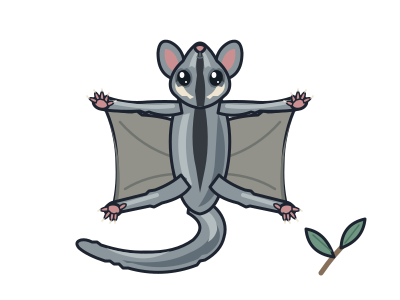
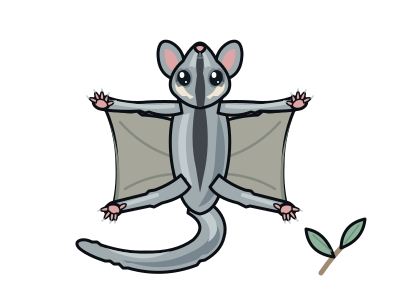
- Sugar gliderGlides between trees on skin flaps stretched from wrist to ankle.
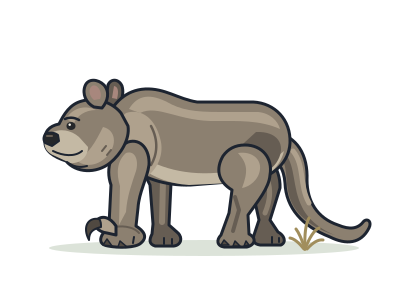
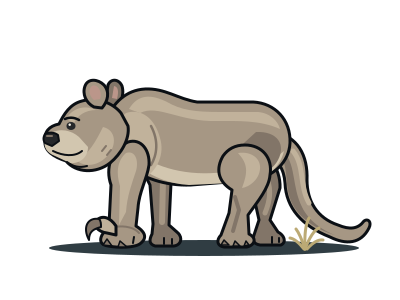
- Marsupial lionA leopard-sized predator that evolved from plant-eating wombat relatives.
- Kangaroos and wallabiesBig feet, a balancing tail and a hopping gait: the family spans tiny wallabies to tree climbers.
- Common brushtail possumAustralia’s backyard possum, at home in roofs and gardens; an invasive pest in New Zealand.