An extinct species
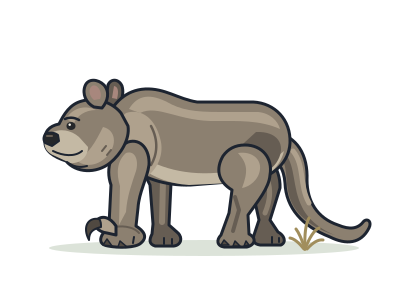
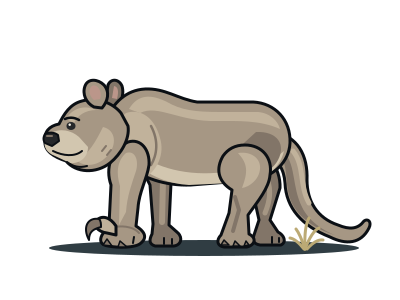
Marsupial lion †
Thylacoleo carnifex
A leopard-sized predator with plant-eating family roots.
Lived about 2–0.04 million years ago.
You and the marsupial lion meet in the Live-bearing mammals branch, shown at about 160 million years ago (on 18 December, in a calendar from life's shared ancestor to today).
The marsupial lion was a leopard-sized predator with surprising family connections: it belonged to the marsupial branch that included wombats and koalas. Its meat-eating family probably evolved from plant-eating ancestors—not from the wombats alive today. Despite its name, it was not a cat. It lived in Australia about 2 million to 40,000 years ago.
Its fossil teeth showed an unusual set of tools for eating meat. Enlarged front teeth did the piercing work usually done by a predator’s pointed canine teeth. Farther back, enlarged cheek teeth formed long cutting blades. This was a different dental toolkit from a cat’s.
It was more heavily built than a leopard, measuring about 1.5 metres from head to tail. Each front foot carried an enlarged thumb claw. The thumb could turn partly towards the other toes, giving the foot a way to grip.
Across Australia
Its fossils were found in every Australian state and the Northern Territory.
A powerful-looking head
Its skull was broad and heavy, with a short snout.
Less room for grinding
Its back grinding teeth were reduced.
Next to it on the tree
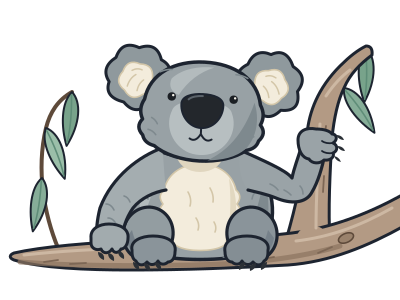
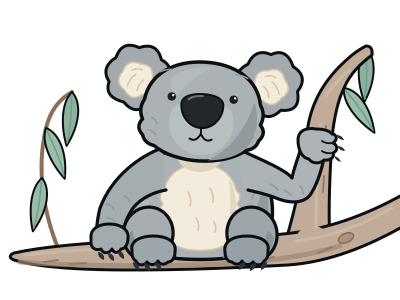
- KoalaLives on toxic eucalyptus leaves and sleeps up to 20 hours a day to save energy.
- Common wombatA burrowing bulldozer whose droppings come out cube-shaped.
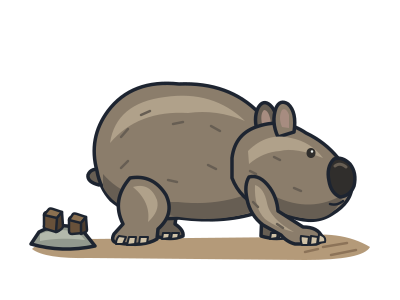
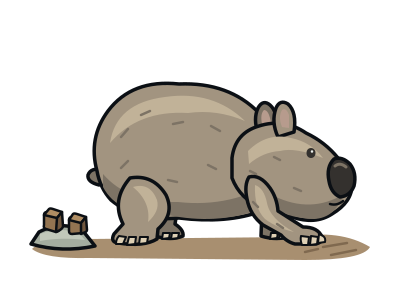
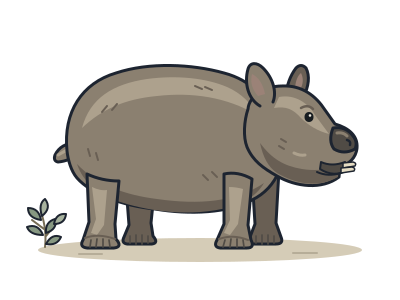
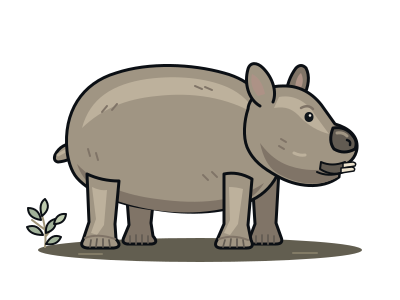
- DiprotodonA rhino-sized wombat relative, the largest marsupial that ever lived.
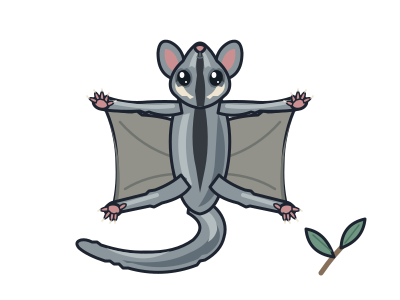
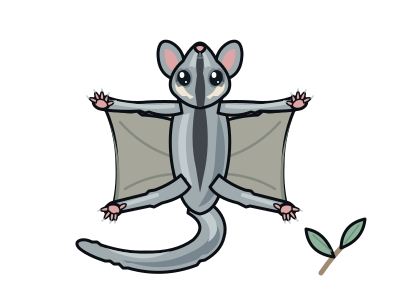
- Sugar gliderGlides between trees on skin flaps stretched from wrist to ankle.
- Kangaroos and wallabiesBig feet, a balancing tail and a hopping gait: the family spans tiny wallabies to tree climbers.
- Common brushtail possumAustralia’s backyard possum, at home in roofs and gardens; an invasive pest in New Zealand.