A group of living things
Porcupines, cavies and mole-rats
Hystricognathi
An African connection behind South America’s giant rodents
This branch is shown at about 40 million years ago; its age is a rough estimate.
You and porcupines, cavies and mole-rats meet in the Primates, rodents and rabbits branch, shown at about 90 million years ago (on 24 December, in a calendar from life's shared ancestor to today).
Capybaras and guinea pigs have a surprising African connection. Their ancestors are thought to have reached South America by riding on floating plants. Comparisons of ancient rodent teeth support an African origin for their branch. The teeth are evidence of family connections; the floating journey is an explanation, not something directly preserved.
DNA studies show that this South American branch and an African branch containing mole-rats are sister groups: each is the other’s closest living branch. A naked mole-rat may look nothing like a capybara, but both belong to this wider rodent group, together with porcupines.
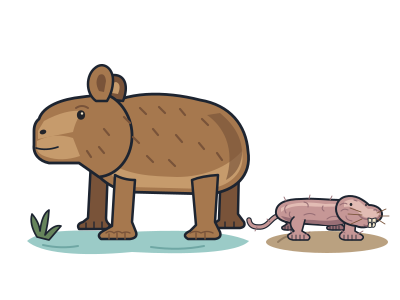
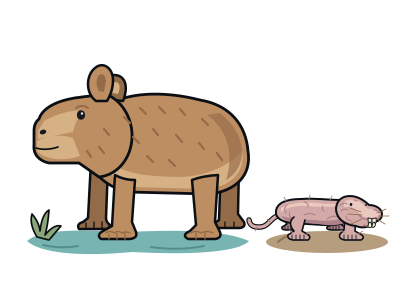
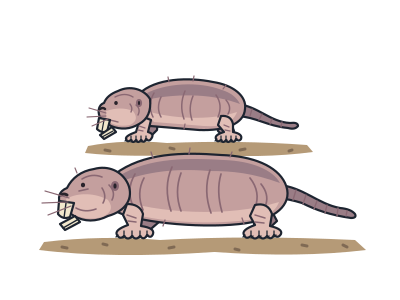
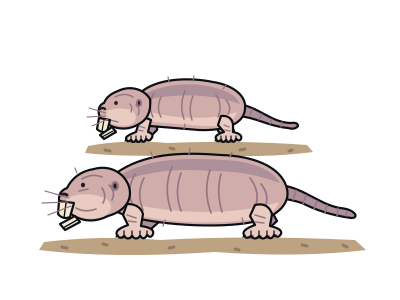
Their lives show how varied this group is. A capybara’s eyes, ears and nostrils sit high on its head, letting it watch and breathe while much of its body is underwater. Naked mole-rats live in underground tunnels in eastern Africa. They dig with their large front teeth, closing their lips behind the teeth to keep soil out.
Feet for swimming
Capybaras have partly webbed feet, with four toes on each front foot and three on each back foot.
A colony queen
Naked mole-rat colonies usually have one breeding female, called the queen. Other members help maintain tunnels and care for young.
Not quite naked
Naked mole-rats have whiskers on their faces and tails, plus hairs between their toes.
Inside porcupines, cavies and mole-rats
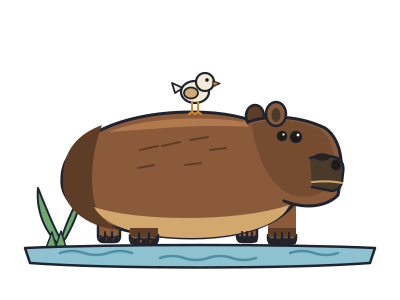
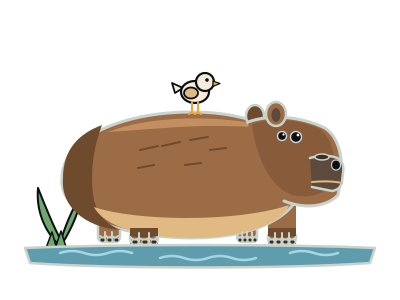
- CapybaraThe largest rodent, a calm swimmer that other animals happily sit on.
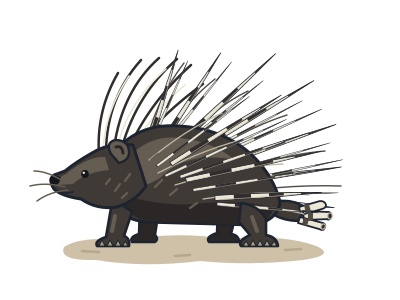
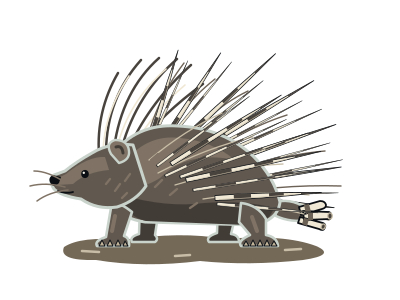
- Crested porcupineRattles its hollow quills and runs backwards into attackers.
- Naked mole-ratLives in colonies with a queen, like bees; cancer is rarely reported, but it is not immune.
- JosephoartigasiaAn enormous extinct rodent known from a skull; estimates once compared it with a bull.
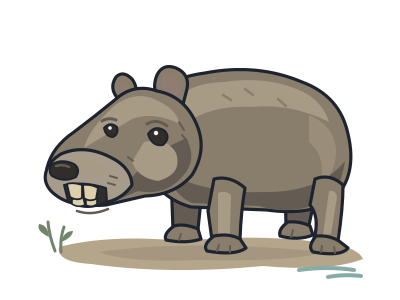
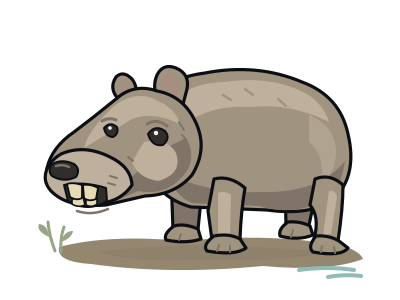
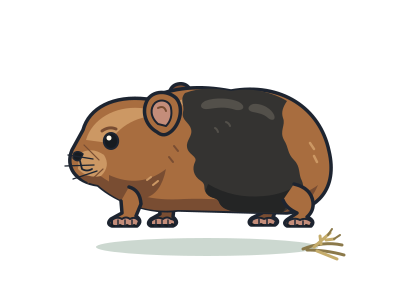
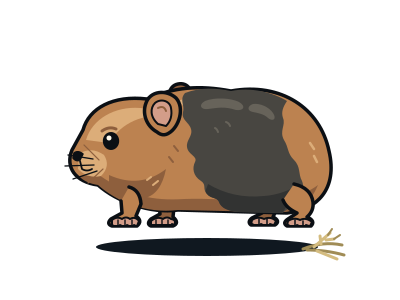
- Guinea pigNeither a pig nor from Guinea: a South American cavy that "popcorns" when happy.
- ChinchillaHas the densest fur of any land mammal, up to 60 hairs per follicle.
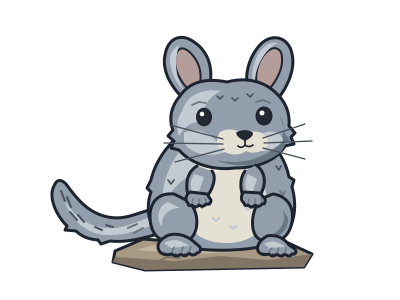
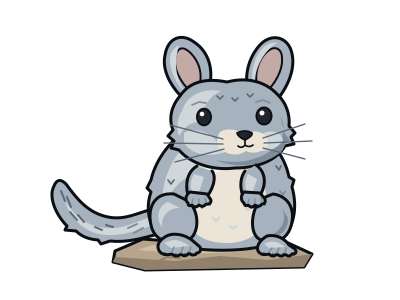
- North American porcupineA tree-climbing porcupine whose barbed quills are a separate invention from the Old World kind.
- Patagonian maraA long-legged guinea-pig relative that runs and bounds across the steppe like a small deer.
Next to it on the tree
- SquirrelsTree squirrels, chipmunks, marmots and gliders: one family covering trees, burrows and the air.
- Hazel dormouseA golden-furred sleeper that can spend more than half the year in hibernation.
- Mice, rats and jerboasMore than a quarter of all mammal species belong to this group of mice, voles, gerbils and jerboas.
- Beavers and kangaroo ratsBeavers are close cousins of the pocket mice and kangaroo rats of American deserts.