A group of living things
Rodents and rabbits
Glires
Rabbits are not rodents, but their closest relatives.
This branch is shown at about 80 million years ago; its age is a rough estimate.
You and rodents and rabbits meet in the Primates, rodents and rabbits branch, shown at about 90 million years ago (on 24 December, in a calendar from life's shared ancestor to today).
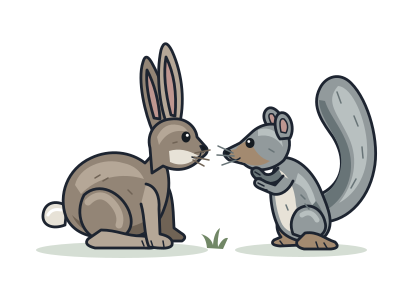
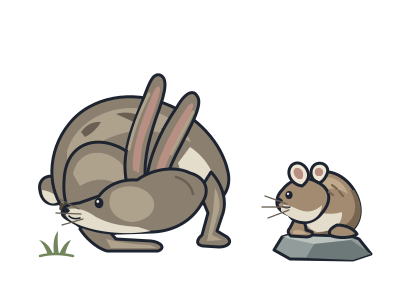
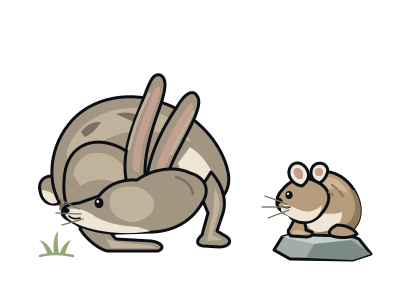
Compare with something elseRabbits are not rodents, but their group is the rodents’ closest living relative. Rabbits, hares and pikas form one branch; rodents, including squirrels, form the other. These are sister groups: each is the other’s closest living branch. A rabbit beside a squirrel shows the two sides of this family.
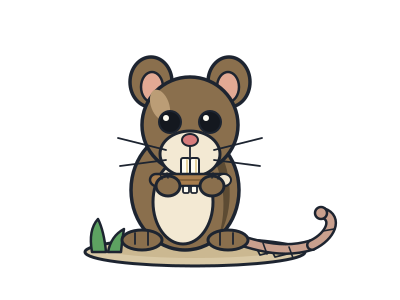
Their teeth reveal both a resemblance and a difference. Both branches have front cutting teeth that keep growing throughout life. Rodents have one pair in each jaw. Rabbit relatives have an extra pair of tiny upper teeth, tucked behind the large front pair. Both branches also have a clear gap between their cutting teeth and their chewing teeth, with no pointed canine teeth in between.
Their ways of life are varied. Different rodents live in treetops, underground, in deserts and around water. Many eat both plants and animal foods. Rabbits, hares and pikas mainly eat plants, and their habitats stretch from tropical forests to the cold, open lands of the Arctic.
Self-sharpening teeth
Rodent front teeth wear unevenly. Softer material wears away faster than the hard outer layer, keeping a sharp edge like a chisel.
A second helping
Rabbits, hares and pikas produce special soft droppings that they eat again to recover more nutrients.
Underground neighbours
European rabbits live in groups in underground burrow systems called warrens. Not every rabbit relative lives this way.
Inside rodents and rabbits
Next to it on the tree
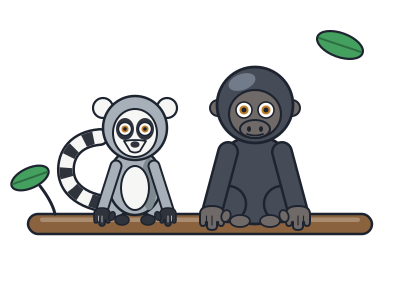
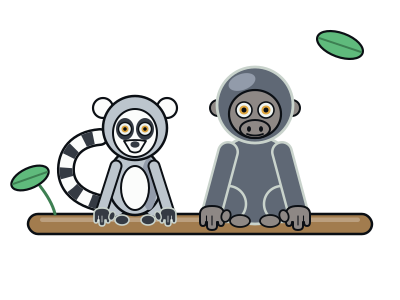
- PrimatesGrasping hands, forward-facing eyes and big brains: lemurs, monkeys and apes.
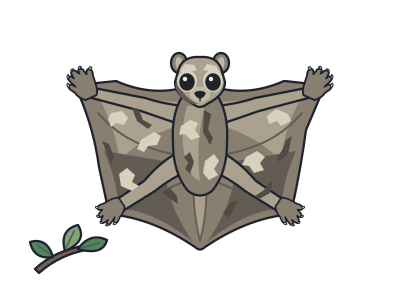
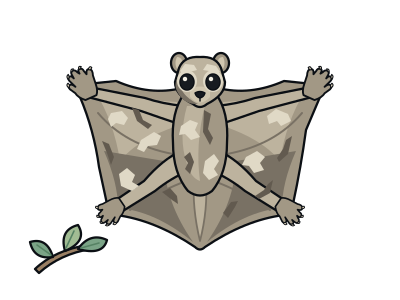
- Sunda colugoA gliding mammal; colugos are primates’ closest living relatives outside the primate group.
- Northern treeshrewNot a true shrew at all: a squirrel-like animal that is one of the closest relatives of primates.
- PlesiadapisA squirrel-like tree dweller with rodent-style front teeth from near the root of the primate line.