A species
Crested porcupine
Hystrix cristata
A rattling warning, then a backwards charge
You and the crested porcupine meet in the Primates, rodents and rabbits branch, shown at about 90 million years ago (on 24 December, in a calendar from life's shared ancestor to today).
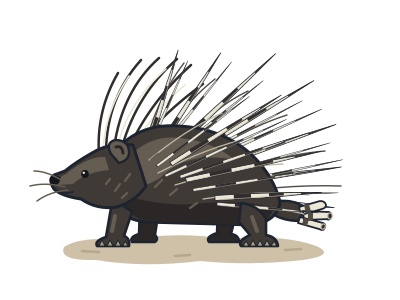
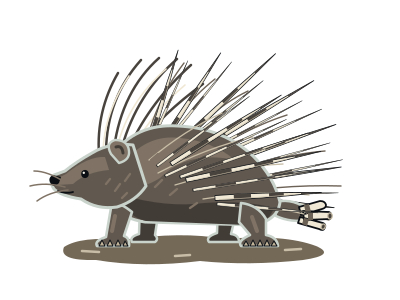
The crested porcupine gives attackers a noisy warning: it shakes hollow quills on its short tail to make a rattle. If that fails, it can charge backwards, pointing the short, thick quills on its rump towards the threat. This prickly animal belongs to the same broad rodent branch as guinea pigs, capybaras, chinchillas and African mole-rats. Those animals are relatives, but they are not porcupines.
Its quills are changed hairs, not bones. Long quills on its head and back rise into a crest, making it look larger when danger approaches. Despite a familiar story, it cannot shoot its quills. The backwards charge brings them into contact with an attacker; they are not poisonous.
Away from danger, it mainly searches alone at night for roots, bulbs, bark and fallen fruit. But feeding alone does not mean living alone. An adult pair and their young share a burrow, and the porcupines return to shelter during the day.
Soft at the start
Babies are born with soft quills that harden after birth.
More than a rattle
Its warning display can also include stamping its feet and clicking its teeth.
Family babysitters
In a study of wild families in Tuscany, older offspring helped babysit youngsters, including while the parents were absent.
Next to it on the tree
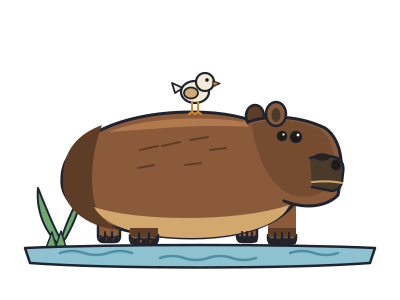
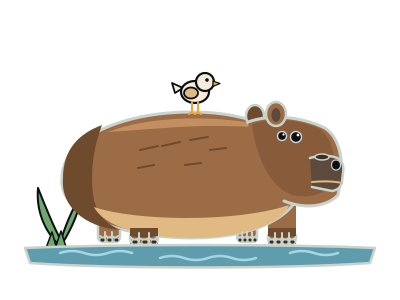
- CapybaraThe largest rodent, a calm swimmer that other animals happily sit on.
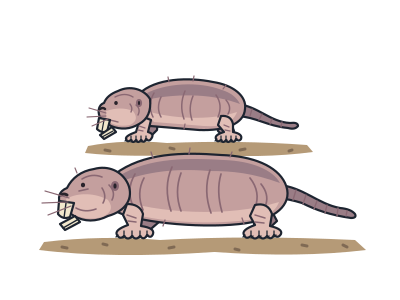
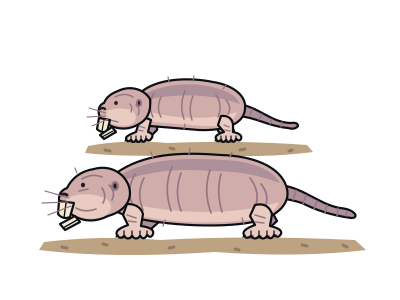
- Naked mole-ratLives in colonies with a queen, like bees; cancer is rarely reported, but it is not immune.
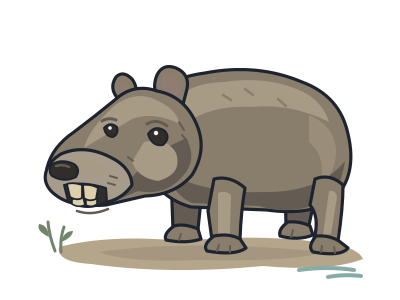
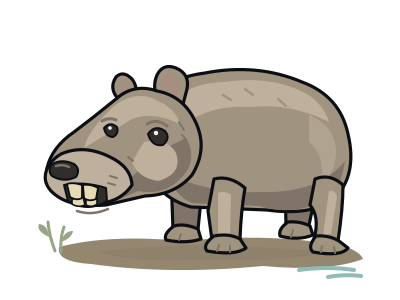
- JosephoartigasiaAn enormous extinct rodent known from a skull; estimates once compared it with a bull.
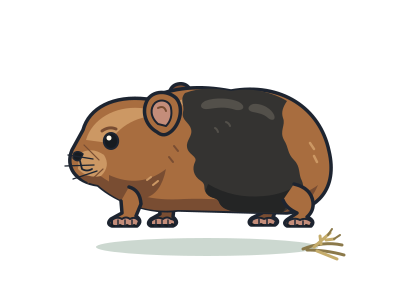
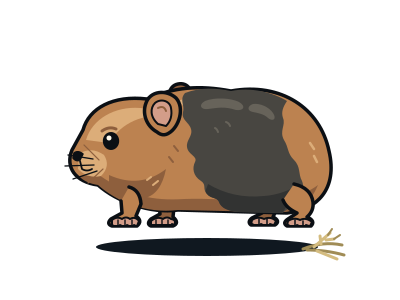
- Guinea pigNeither a pig nor from Guinea: a South American cavy that "popcorns" when happy.
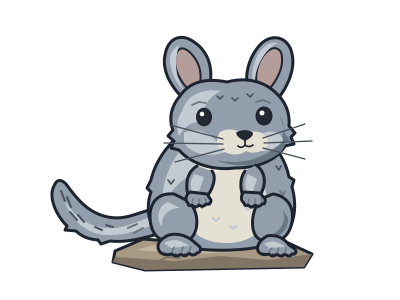
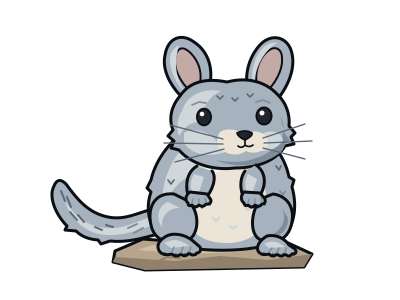
- ChinchillaHas the densest fur of any land mammal, up to 60 hairs per follicle.
- North American porcupineA tree-climbing porcupine whose barbed quills are a separate invention from the Old World kind.
- Patagonian maraA long-legged guinea-pig relative that runs and bounds across the steppe like a small deer.