A species
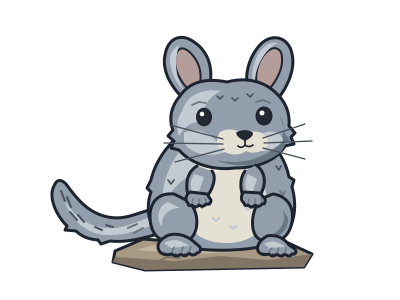
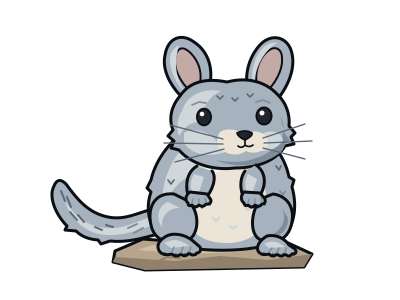
Chinchilla
Chinchilla lanigera
A porcupine relative with an exceptionally plush coat.
You and the chinchilla meet in the Primates, rodents and rabbits branch, shown at about 90 million years ago (on 24 December, in a calendar from life's shared ancestor to today).
Up to about 60 hairs can grow from a single follicle, a tiny hair-growing pocket in a chinchilla’s skin. That makes for an exceptionally dense coat. Despite its soft fur and rabbit-like looks, this animal is a rodent related to guinea pigs and porcupines. Their very different coats hide a family connection.
Wild long-tailed chinchillas are native only to Chile. They live in dry, rocky scrubland on coastal hills and Andean foothills, sheltering in cracks and spaces among rocks. They live together in groups called colonies. Their meals include grasses, seeds and other plant material, with the menu changing through the seasons.
Keeping that thick coat clean involves rolling and flipping in fine dust, which removes extra oil and dirt. Yet the coat has also brought trouble: hunting for valuable fur devastated wild populations. Habitat loss is another threat. Although chinchillas are familiar pets, this species is Endangered in the wild.
Orange teeth
A chinchilla’s front gnawing teeth are naturally dark orange.
A furry escape
A chinchilla can release a patch of fur when grabbed, which may help it escape a predator.
A long life
Some chinchillas live for more than 20 years in human care.
Next to it on the tree
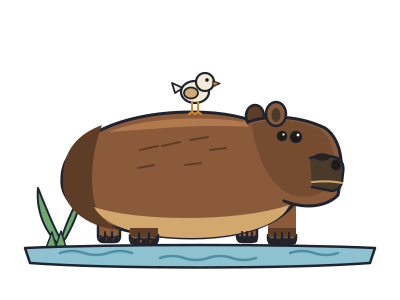
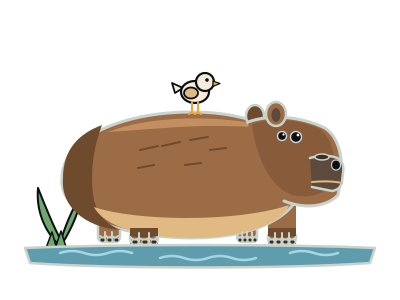
- CapybaraThe largest rodent, a calm swimmer that other animals happily sit on.
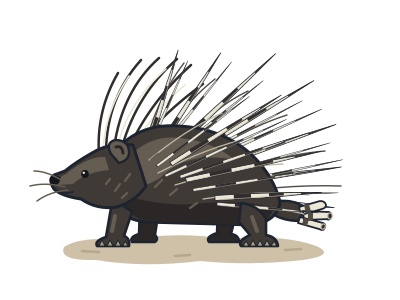
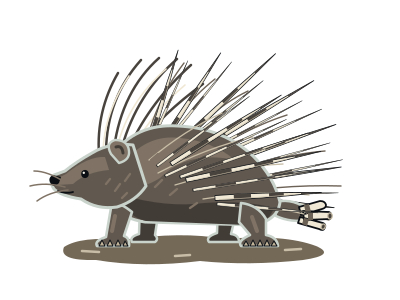
- Crested porcupineRattles its hollow quills and runs backwards into attackers.
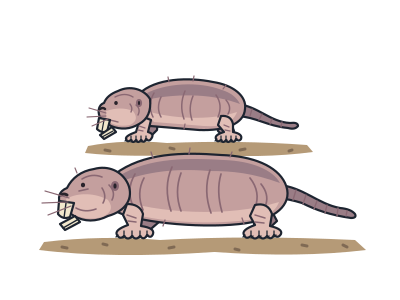
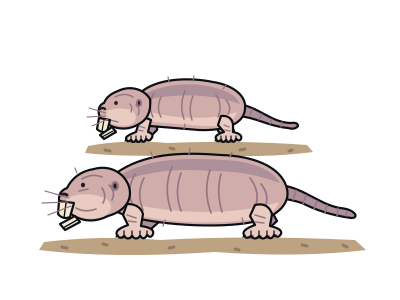
- Naked mole-ratLives in colonies with a queen, like bees; cancer is rarely reported, but it is not immune.
- JosephoartigasiaAn enormous extinct rodent known from a skull; estimates once compared it with a bull.
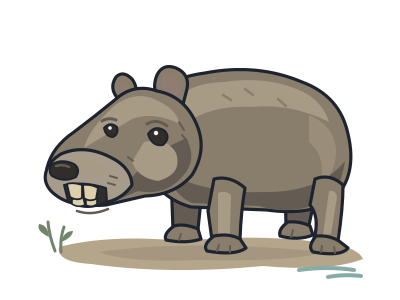
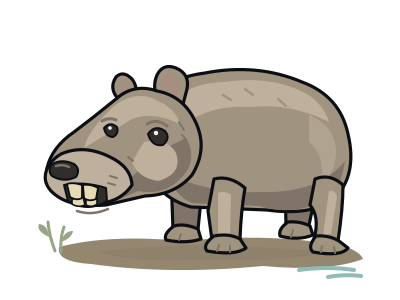
- Guinea pigNeither a pig nor from Guinea: a South American cavy that "popcorns" when happy.
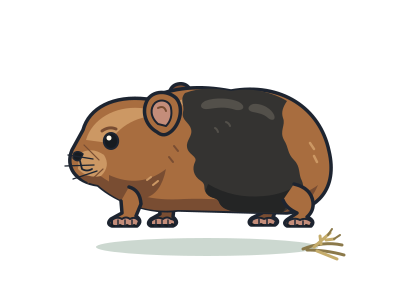
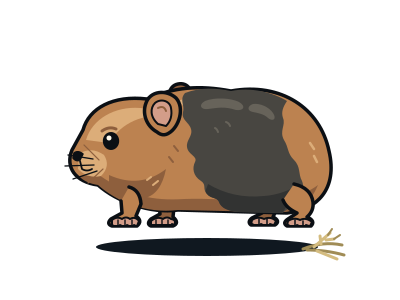
- North American porcupineA tree-climbing porcupine whose barbed quills are a separate invention from the Old World kind.
- Patagonian maraA long-legged guinea-pig relative that runs and bounds across the steppe like a small deer.