A species
Guinea pig
Cavia porcellus
Not a pig, but a capybara relative with a spring in its step.
You and the guinea pig meet in the Primates, rodents and rabbits branch, shown at about 90 million years ago (on 24 December, in a calendar from life's shared ancestor to today).
Neither a pig nor from Guinea, the guinea pig is a South American rodent, also called a cavy. Its relatives include capybaras, the world's largest living rodents. A capybara is not simply a giant breed of guinea pig: it is a different animal in the same wider family.
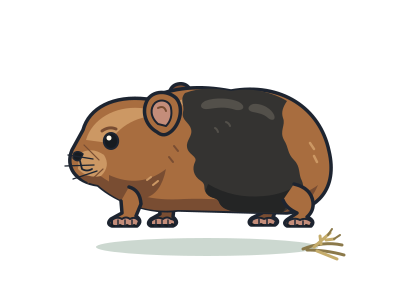
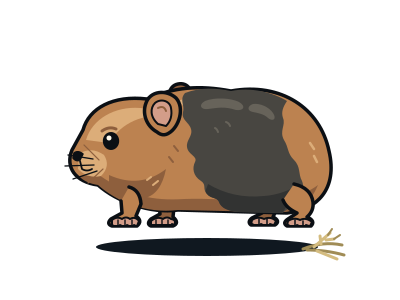
An excited guinea pig can suddenly spring upwards, lifting all four feet off the ground and sometimes twisting in mid-air. These bouncy leaps are called popcorning. They can happen when a guinea pig is happy or excited, but frightened animals may jump this way too. A leap alone does not prove happiness.
Today's domestic guinea pigs are animals kept by people, not a species with a natural wild range. Related cavies still live wild in South America. Guinea pigs eat grasses, herbs and other leafy plants. They need friendly guinea pig companions and communicate with chirps, purrs, rumbles and squeals.
Fourteen toes
Each front foot has four toes, while each back foot has three.
Teeth that keep growing
All 20 teeth continue growing throughout a guinea pig's life.
Eyes open from birth
Newborn guinea pigs already have fur and open eyes. They drink their mother's milk but can also eat solid food from birth.
Next to it on the tree
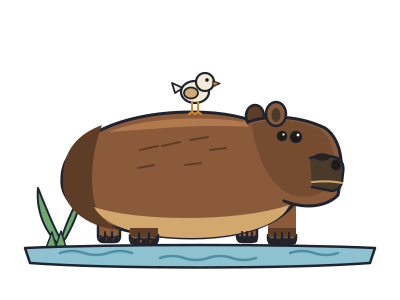
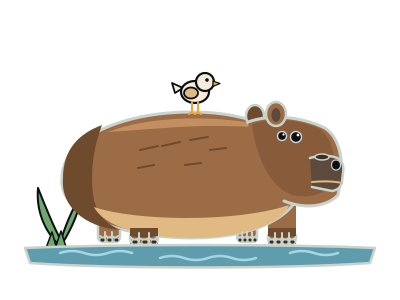
- CapybaraThe largest rodent, a calm swimmer that other animals happily sit on.
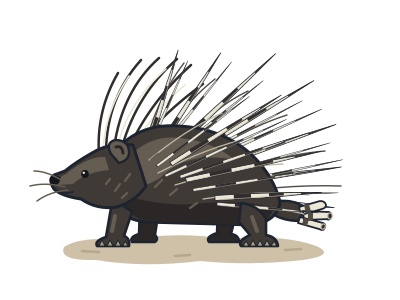
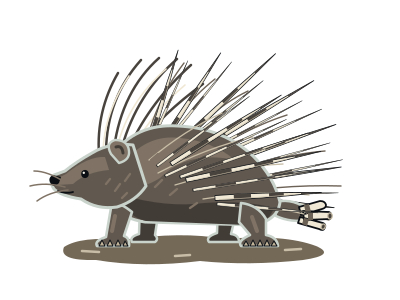
- Crested porcupineRattles its hollow quills and runs backwards into attackers.
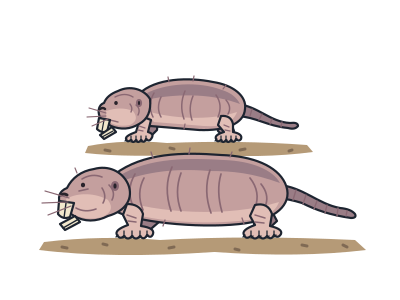
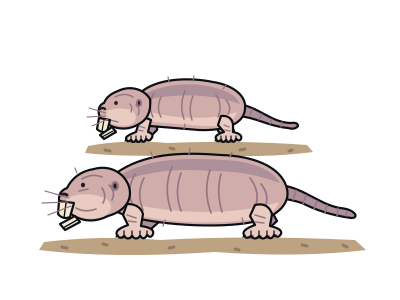
- Naked mole-ratLives in colonies with a queen, like bees; cancer is rarely reported, but it is not immune.
- JosephoartigasiaAn enormous extinct rodent known from a skull; estimates once compared it with a bull.
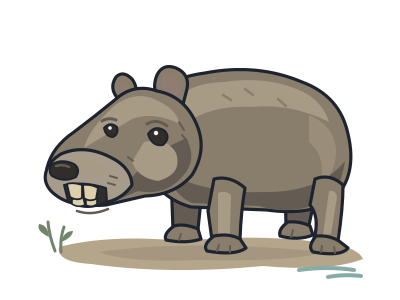
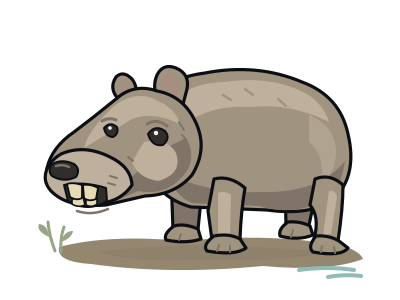
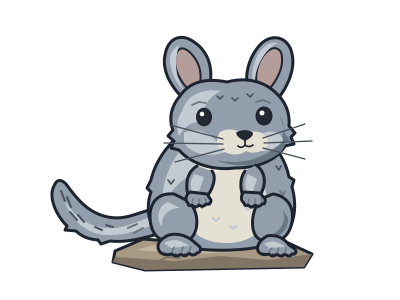
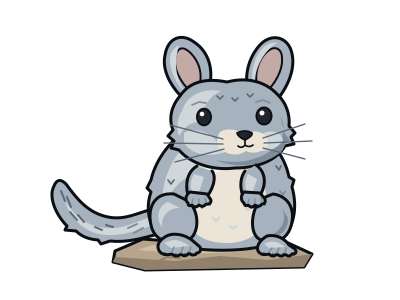
- ChinchillaHas the densest fur of any land mammal, up to 60 hairs per follicle.
- North American porcupineA tree-climbing porcupine whose barbed quills are a separate invention from the Old World kind.
- Patagonian maraA long-legged guinea-pig relative that runs and bounds across the steppe like a small deer.