A species
Crystalwort
Riccia fluitans
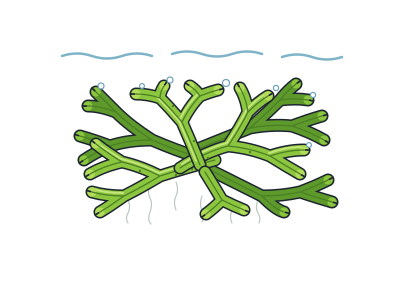
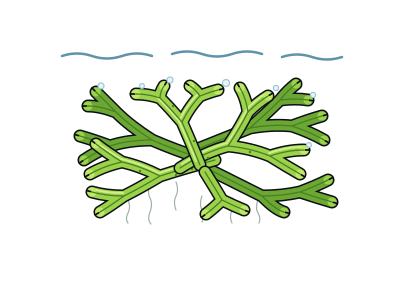
A floating tangle of bright green forks that aquarium keepers turn into underwater carpets.
You and the crystalwort meet in the Eukaryotes branch, shown at about 1.8 billion years ago (on 28 July, in a calendar from life's shared ancestor to today).
Crystalwort is a floating tangle of bright green forks. Aquarium keepers love it because it makes low, glowing green carpets over stones. Pet shops often call it a moss, but it is really a liverwort. It belongs to the same larger group as the common liverwort shown beside it on the tree.
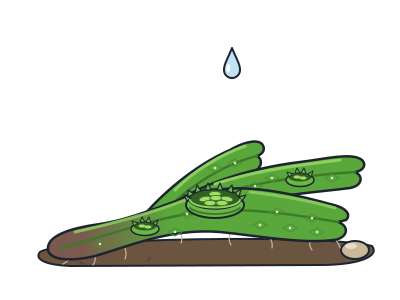
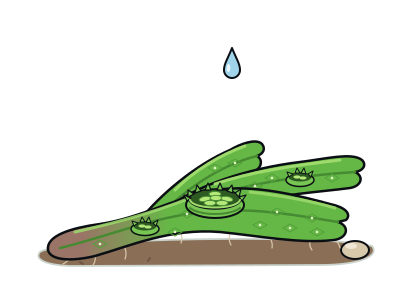
It has no true stems, leaves or roots. Its body is a flat, narrow green strap that keeps splitting in two, making Y-shaped forks like tiny antlers. Each branch is less than a millimetre wide, about as wide as a pencil line. Tiny air chambers inside help it float just under the surface of calm, shallow water.
In the wild it grows in ponds, marshes, ditches and rice paddies, often tangled among other water plants. Its thick mats give shade and cover to water insects and small fish. It rarely makes spores. Instead, pieces break off and grow into new clumps, and waterbirds carry strands from one wetland to another.
In a tank it would naturally float up, so aquarists tie it to stones or hold it down with mesh. Under strong light with extra carbon dioxide added to the water, its tips sparkle with tiny oxygen bubbles. Thick, bubbling carpets like these are rare in nature.
Named for floating
The famous scientist Linnaeus named it in 1753. The second part of its scientific name is Latin for 'floating'.
A life on land too
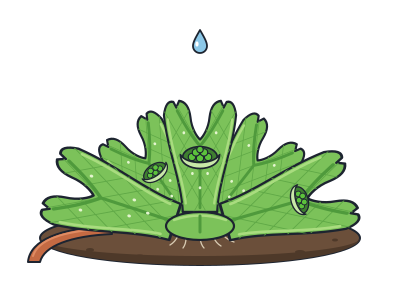
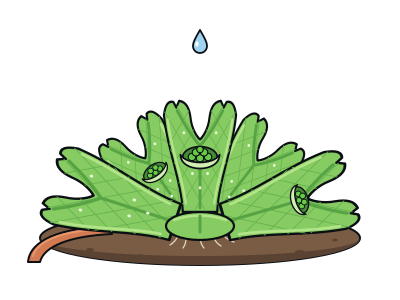
It also has a land form. This grows on wet mud at the edges of ponds, with slightly thicker branches arranged in flat rosettes.
Copes with murky water
Most of its moss and liverwort relatives like clean water. Crystalwort can grow in murky, slow-moving ponds and streams that have too many nutrients.