A species
Common stinkhorn
Phallus impudicus
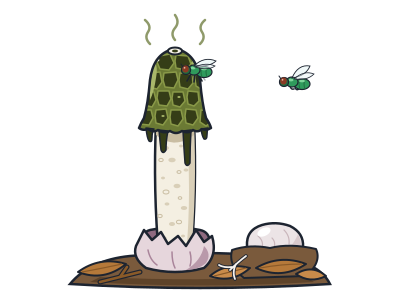
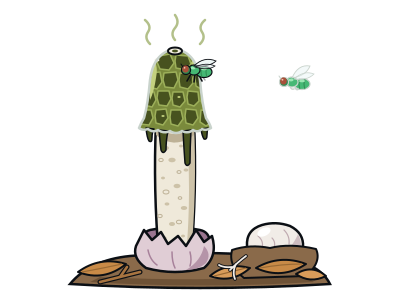
A white egg in the leaf litter that bursts into a smelly tower in a few hours
You and the common stinkhorn meet in the Fungi and animals branch, shown at about 1.3 billion years ago (on 10 September, in a calendar from life's shared ancestor to today).
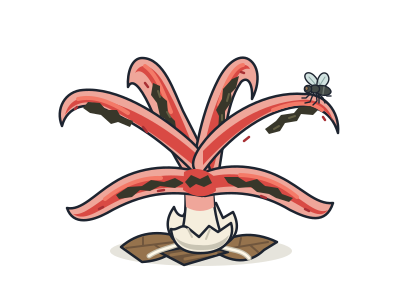
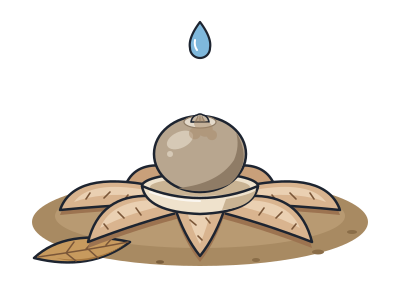
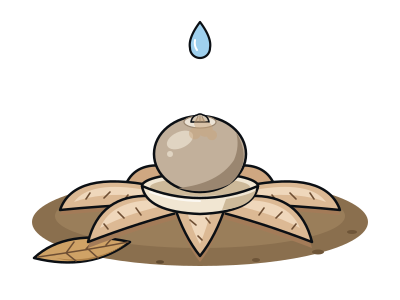
It starts as a white 'egg' about the size of a golf ball, half-buried in leaf litter. The egg has no smell and can sit quietly for a few weeks. Then it splits open, and in just a few hours a spongy white stem pushes up. It grows about as tall as a drinks can, or a little taller. All its parts were already packed inside the egg in a jelly-like layer. They shoot up by soaking up water, not by making lots of new cells.
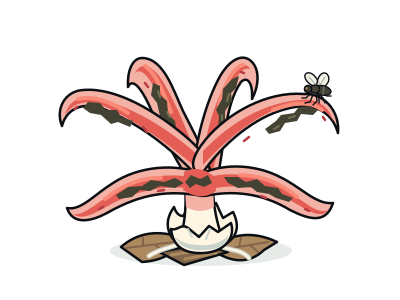
On top sits a bell-shaped head coated in dark olive-green slime full of spores. The slime gives off a strong, sickly-sweet smell like rotting meat. People often smell a stinkhorn before they see it. Flies arrive in crowds and carry spores away on their legs. Blowflies also eat the slime and drop spores somewhere new in their droppings.
The stinkhorn is not a plant. It is a fungus, and fungi are more closely related to animals than to plants. It feeds on dead plant material through a hidden network of threads underground. DNA studies show that its relatives include earthstars and coral and club fungi, which look and live very differently. Its family tree suggests that stinkhorns came from truffle-like ancestors, which kept their spores sealed inside.
A crunchy snack
In parts of Europe, such as France and Germany, some people eat the inside of the young egg raw or pickled. It is said to be crisp and to taste a bit like radish. Never eat a wild fungus unless an expert has identified it.
Victorian stinkhorn hunts
Gwen Raverat, a granddaughter of Charles Darwin, described Victorian 'stinkhorn hunting'. People went out with a basket and a pointed stick and destroyed the stinkhorns so they would not offend the maids.
A honeycomb hat
Within a few hours the flies have usually cleared away all the slime. Underneath, the head turns out to be a white honeycomb of pits and ridges.