A species
American bison
Bison bison
A cattle relative saved from the brink.
You and the american bison meet in the Placental mammals branch, shown at about 95 million years ago (on 23 December, in a calendar from life's shared ancestor to today).
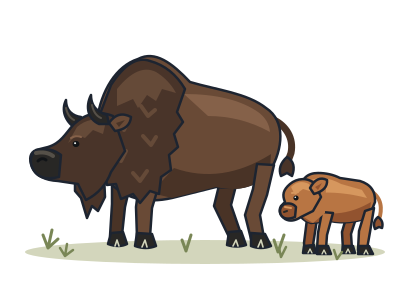
About 30 million American bison once roamed North America. By the 1890s, fewer than 1,000 remained. Conservation saved this cattle relative from extinction. Despite its enormous head and shaggy outline, it belongs to the same animal family as familiar cows, sheep and goats, as well as gazelles.
The rescue was not the work of one hero. Private individuals, Indigenous Tribes, states and the US Department of the Interior all helped. For many Indigenous peoples, bison have provided food, clothing, shelter and tools, alongside deep cultural and spiritual connections. Saving bison meant protecting an animal woven into people's lives.
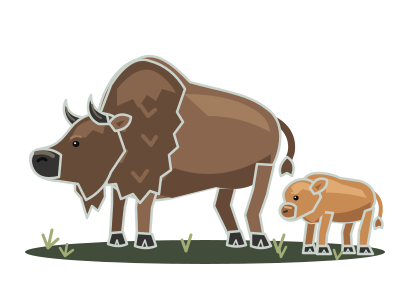
A bison's body is much heavier at the front, with a high shoulder hump, deep chest and smaller hindquarters. Shaggy hair covers its head, neck and shoulders, and a beard hangs below its chin. Bison mainly inhabit grasslands and open meadows, but not all live on treeless plains: wood bison also use northern forests and their clearings.
Horns for both
Both males and females have two short, pointed horns that curve outwards and upwards.
A useful dust bath
Bison roll in dirt to help remove loose fur and discourage biting flies.
Different company
Females and young commonly live together. Outside the breeding season, mature males often live alone or in smaller male groups.
Next to it on the tree
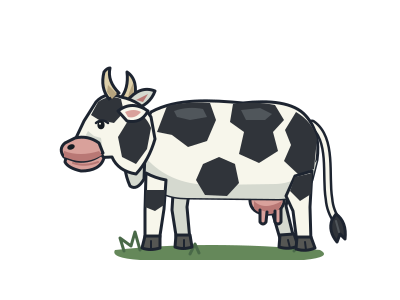
- CowHumpless domestic cattle descend from aurochs domesticated about 10,500 years ago.
- AurochsThe wild ancestor of cattle; large bulls stood taller than many people. The last known animal died in 1627.
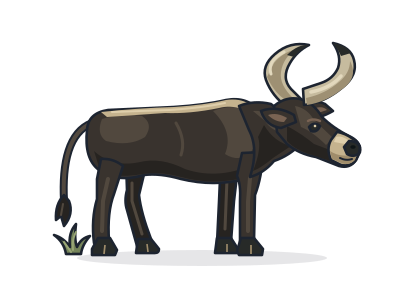
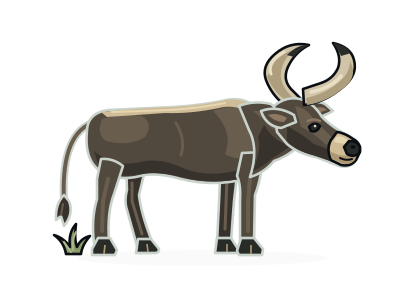
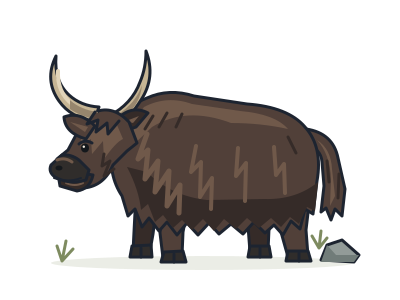
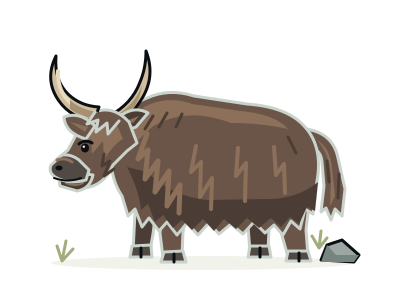
- YakA domestic cattle relative that grunts instead of mooing and thrives in cold high mountains.
- African buffaloA wild cattle relative whose herd may turn to defend members from lions; defence is not guaranteed.
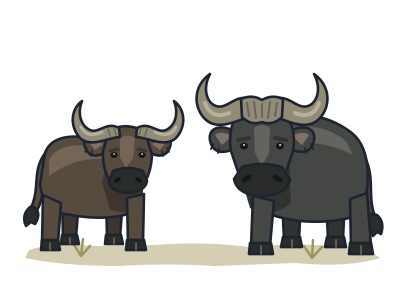
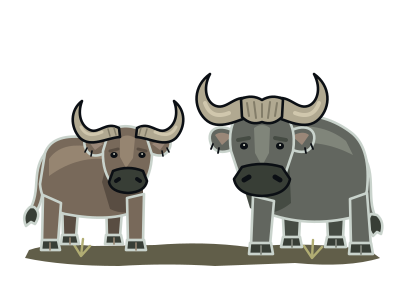
- Water buffaloA wallowing domestic buffalo that pulls ploughs in rice paddies and gives milk for mozzarella.
- Greater kuduMales carry long spiral horns with up to two and a half twists.
- Common elandOne of the world's largest antelopes; its knees make a clicking sound as it walks.