A species
African buffalo
Syncerus caffer
A wild cattle relative with strength in numbers
You and the african buffalo meet in the Placental mammals branch, shown at about 95 million years ago (on 23 December, in a calendar from life's shared ancestor to today).
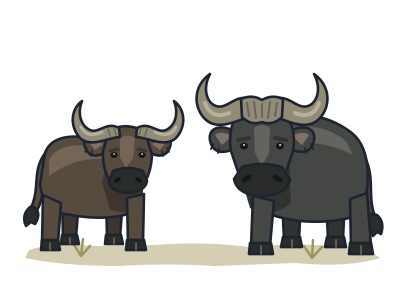
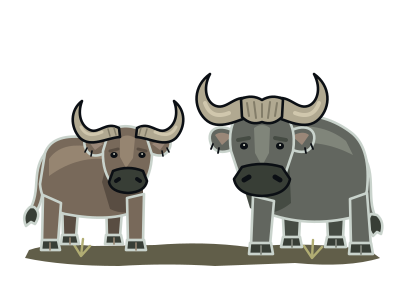
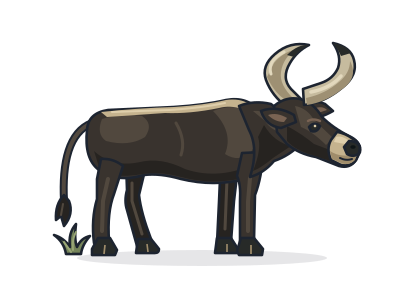
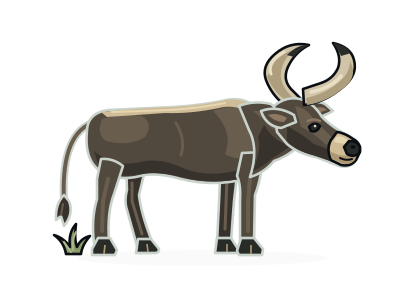
A heavy wild cow with a herd behind it, an African buffalo can turn on lions rather than simply run away. Adults may rush towards a calf’s distress calls and chase off its attackers. This is a wild relative of domestic cows, yaks and bison. Sheep, goats and antelopes belong to its wider family too.
Cape buffalo, the large form from eastern and southern Africa, commonly gather in herds of about 50–500. Numbers change with the place and season. Females and their young make up most of a large herd. Males may form smaller groups, while some older males live alone. Herd defence is not guaranteed: buffalo may flee, and lions sometimes catch an animal without the others stepping in.
Most of their food is grass. Like domestic cows, they bring swallowed food back into their mouths and chew it again. Across Africa south of the Sahara, buffalo live in habitats ranging from forests to open grasslands. Wherever they live, they need access to water.
A useful mud bath
Mud pools help buffalo cool down. The mud also protects their skin from biting insects.
Horns for both
Both males and females have horns, used for defence and interactions within the herd.
Less room to roam
Development breaks their habitat into smaller pieces. When buffalo damage crops, it can bring them into conflict with people.
Next to it on the tree
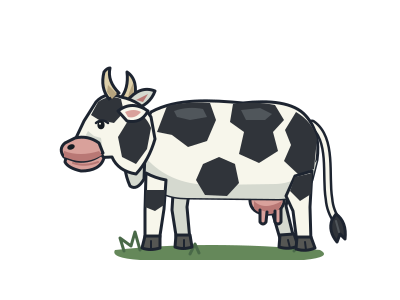
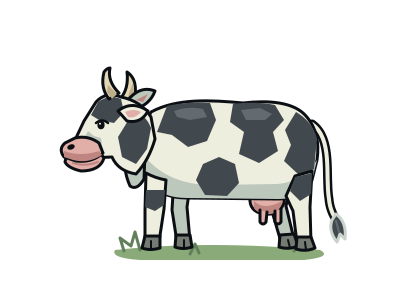
- CowHumpless domestic cattle descend from aurochs domesticated about 10,500 years ago.
- AurochsThe wild ancestor of cattle; large bulls stood taller than many people. The last known animal died in 1627.
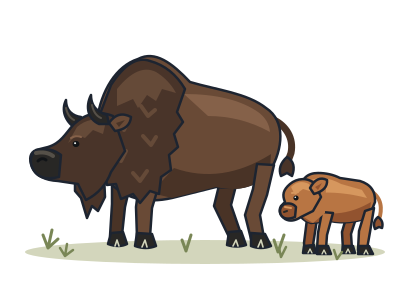
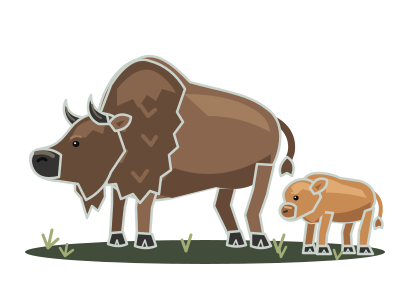
- American bisonOnce 30 million strong, it was saved from near extinction.
- YakA domestic cattle relative that grunts instead of mooing and thrives in cold high mountains.
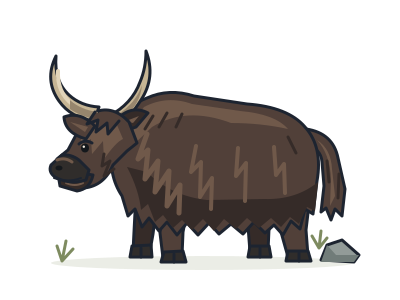
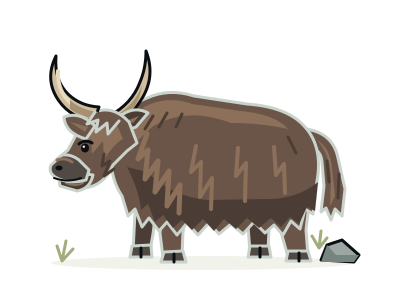
- Water buffaloA wallowing domestic buffalo that pulls ploughs in rice paddies and gives milk for mozzarella.
- Greater kuduMales carry long spiral horns with up to two and a half twists.
- Common elandOne of the world's largest antelopes; its knees make a clicking sound as it walks.