A species
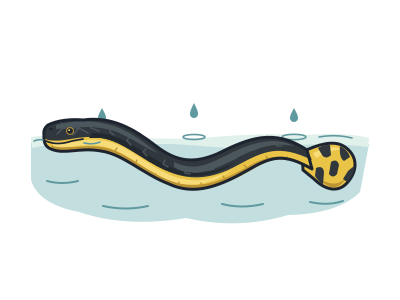
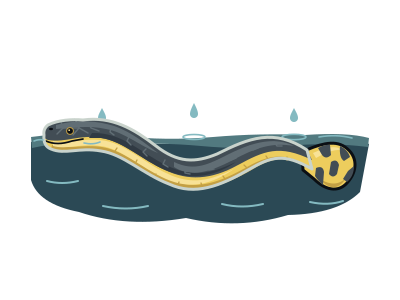
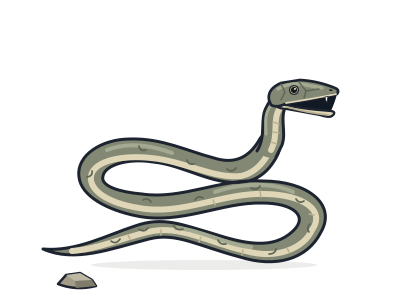
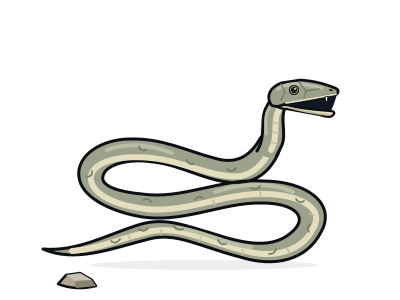
Yellow-bellied sea snake
Hydrophis platurus
An ocean wanderer that drinks the rain.
You and the yellow-bellied sea snake meet in the Amniotes branch, shown at about 320 million years ago (on 4 December, in a calendar from life's shared ancestor to today).
The yellow-bellied sea snake can spend its whole life at sea, often drifting with currents. It drinks from the fresh or weakly salty layer left at the surface after heavy rain. Yet this ocean traveller belongs to the same snake family as cobras and mambas. Its watery home does not make it a fish: it breathes air with lungs and must surface.
Being surrounded by seawater does not stop it getting thirsty. During drought, it can become dehydrated. Rain supplies drinking water without a trip ashore. It also gives birth to live young at sea, rather than needing land to lay eggs.
Its home is the warm Indian and Pacific Oceans. Its tail is flattened sideways, like a paddle. It often hunts by floating still while small fish gather beneath it for shelter, then catching those fish.
Reverse gear
It can swim backwards to bring a fish behind its head within striking distance.
A knotty clean-up
It twists into knots to loosen old skin and remove attached algae and barnacles.
Thousands together
Several thousand snakes may gather along one floating line of debris where ocean currents meet.
Next to it on the tree
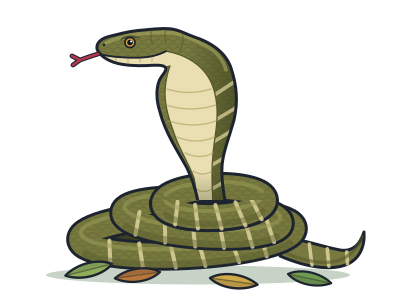
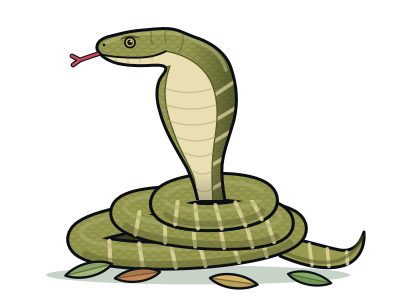
- King cobraThe longest venomous snake; it eats mostly other snakes and builds a nest for its eggs.
- Black mambaNamed for the inky black inside its mouth; among the fastest snakes.
- Inland taipanHas the most toxic venom of any land snake, yet is shy and almost never meets people.
- Eastern coral snakeIts red, yellow and black rings are copied by several harmless snakes.