A species
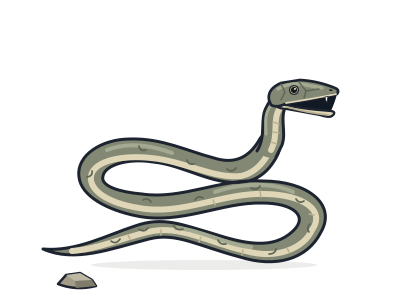
Black mamba
Dendroaspis polylepis
A dark-mouthed member of the cobra family
You and the black mamba meet in the Amniotes branch, shown at about 320 million years ago (on 4 December, in a calendar from life's shared ancestor to today).
The black mamba gets its name from the inky, blue-black inside of its mouth, not its skin. It is among the fastest land snakes. Despite its different name, it belongs to the same snake family as cobras and coral snakes.
This long, slender snake lives mainly in eastern and southern Africa, in places such as grassland with scattered trees and rocky hills. It travels mostly on the ground, but can climb too. Hollow trees and old termite mounds offer places to hide.
It is active during daylight and regularly warms itself in the sunshine. Its food includes small mammals and birds. At the front of its mouth are relatively small fangs that deliver venom. Being fast at travelling across the ground is not the same thing as having a fast strike.
A tongue that gathers clues
Tongue flicks collect chemical traces, which a special sense organ inside the mouth detects.
Independent from hatching
Females leave their eggs. Once the young hatch, they must fend for themselves.
A contest, not a cuddle
Rival males twist around each other and raise their bodies during breeding-season contests.
Next to it on the tree
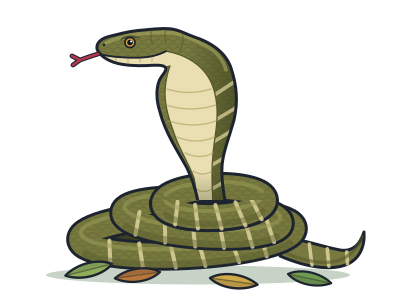
- King cobraThe longest venomous snake; it eats mostly other snakes and builds a nest for its eggs.
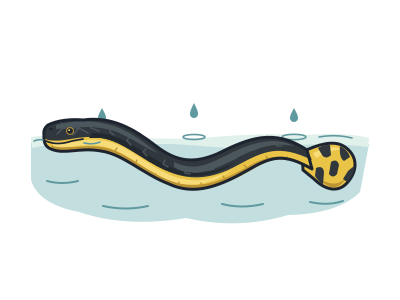
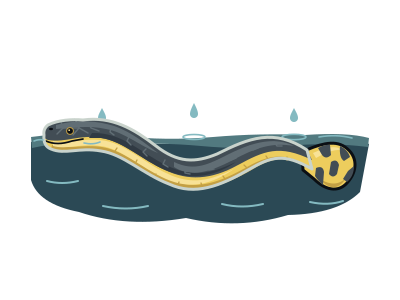
- Yellow-bellied sea snakeLives its whole life drifting at sea and drinks from the fresh layer left by rain.
- Inland taipanHas the most toxic venom of any land snake, yet is shy and almost never meets people.
- Eastern coral snakeIts red, yellow and black rings are copied by several harmless snakes.