A species
Striped skunk
Mephitis mephitis
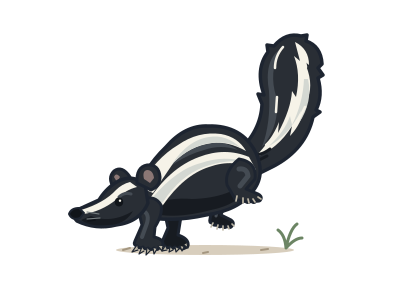
A brief handstand can mean: keep your distance.
You and the striped skunk meet in the Placental mammals branch, shown at about 95 million years ago (on 23 December, in a calendar from life's shared ancestor to today).
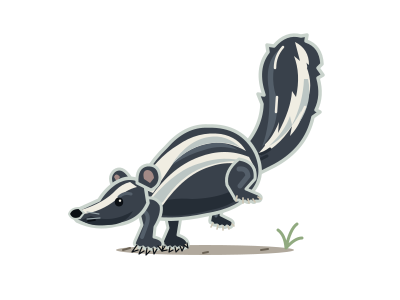
A striped skunk may briefly tip into a handstand when threatened. Its usual warning display includes stamping its feet, arching its back and raising its tail before spraying. The defensive spray comes from two scent glands near the base of its tail. It does not normally spray every animal it meets.
Skunks were once placed in the weasel family, alongside animals such as otters and badgers. Evidence from their genes supports giving skunks a family of their own instead. That family has a surprising reach: it also includes stink badgers from Indonesia and the Philippines, far from the striped skunk’s North American home.
Striped skunks are mainly active at night, though they sometimes search for food by day. Long front claws help them dig for worms and insects in soil and rotten logs. During the day, they can shelter in hollow logs, abandoned burrows or spaces beneath buildings.
An early defence
Young can spray at about eight days old, before their eyes open at about three weeks.
Winter neighbours
Usually solitary, striped skunks may share a warm den during winter.
No matching uniforms
Their markings vary. Some have largely white backs, while others have largely black backs.
Next to it on the tree
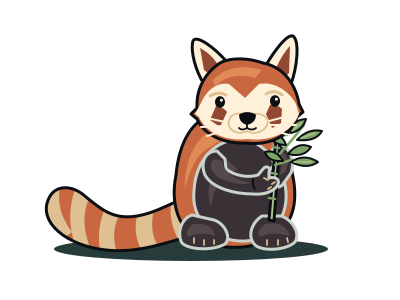
- Red pandaShares bamboo eating and a false thumb with giant pandas, but has closer ties to raccoons and weasels.

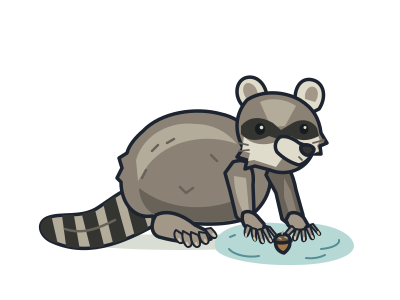
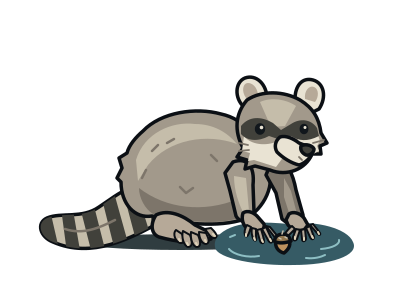
- RaccoonSensitive front paws explore food by touch; their wet-paw advantage remains uncertain.
- Weasel familyThe largest carnivoran family, from tiny weasels to otters, badgers and the wolverine.
- South American coatiA ringtailed raccoon relative that roams in noisy bands, probing for food with a long snout.