A species
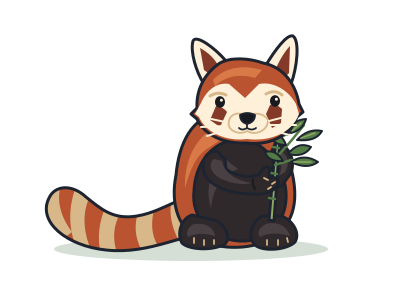
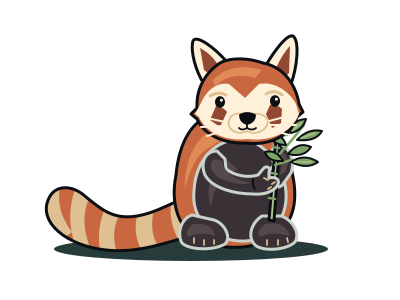
Red panda
Ailurus fulgens
Bamboo in common, different family branches
You and the red panda meet in the Placental mammals branch, shown at about 95 million years ago (on 23 December, in a calendar from life's shared ancestor to today).
Red pandas and giant pandas both eat bamboo and grip it with a false thumb, but they are not close relatives. Giant pandas are bears. Red pandas belong to their own family, within the wider group that includes raccoons, skunks and weasels. Their similar feeding tools hide very different family connections.
The false thumb is an enlarged wrist bone, not an extra finger. It helps the front paws hold bamboo while the animal eats. Red pandas choose leaves and tender shoots, but they are not strict vegetarians: they also eat insects and occasionally birds or small mammals. Despite their leafy meals, they have a simple stomach like their meat-eating relatives.
Their home is cool mountain forest with bamboo beneath the trees. Flexible ankles help them climb down trunks headfirst. A rust-red back, dark legs and a long, bushy, banded tail give them a striking appearance among the branches.
Hidden scent messages
Glands between their foot pads leave scent marks that humans cannot smell.
More than a quiet face
Usually quiet, red pandas can twitter, squeal, hiss, grunt and make a huffing sound.
The earlier panda
The red panda received its scientific description in 1825, before the giant panda.
Next to it on the tree
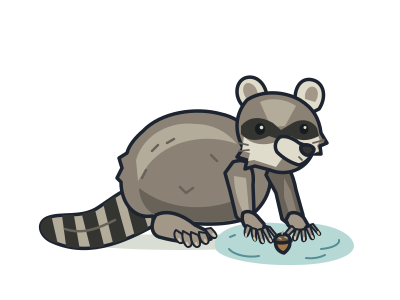
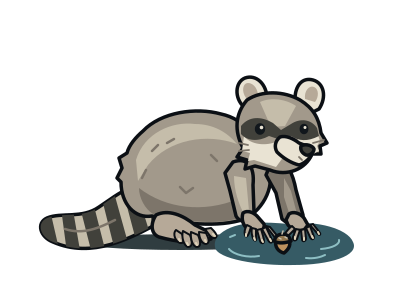
- RaccoonSensitive front paws explore food by touch; their wet-paw advantage remains uncertain.
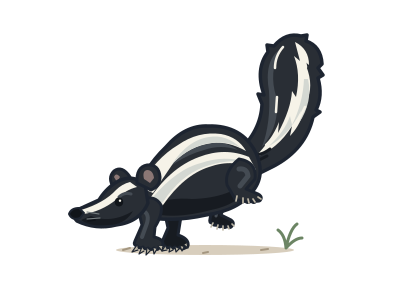
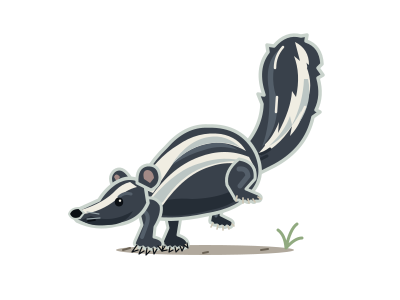
- Striped skunkUsually warns with stamps and a raised tail before spraying; brief handstands are also reported.
- Weasel familyThe largest carnivoran family, from tiny weasels to otters, badgers and the wolverine.
- South American coatiA ringtailed raccoon relative that roams in noisy bands, probing for food with a long snout.