A species
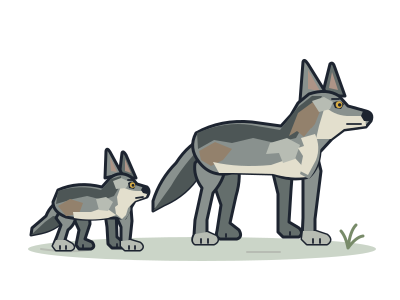
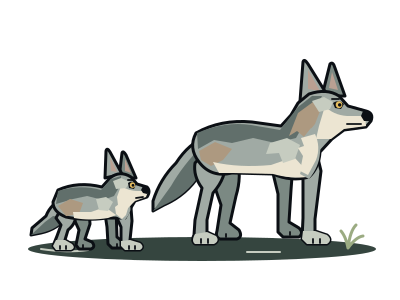
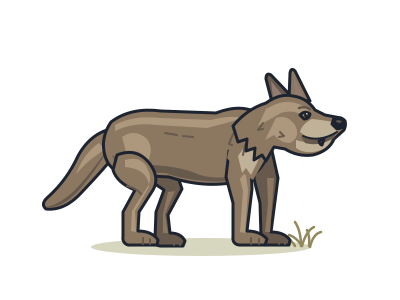
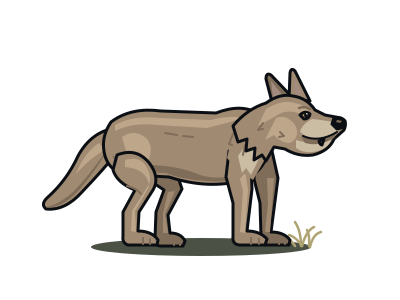
Grey wolf
Canis lupus
Family hunters with a place in every dog’s history.
You and the grey wolf meet in the Placental mammals branch, shown at about 95 million years ago (on 23 December, in a calendar from life's shared ancestor to today).
Grey wolves hunt in family packs, working together to catch animals much larger than themselves. Their family connection reaches into our homes: every domestic dog traces its ancestry to ancient grey wolves. That ancestral wolf population is now extinct, so dogs did not descend from any particular group of wolves living today.
Howling helps separated wolves find their pack and tells other packs that an area is occupied. A young adult may leave its birth pack to find a mate and start a new family. A lone wolf is therefore not necessarily an outcast.
Grey wolves live across parts of North America, Europe and Asia. They are not just forest animals: they also live in mountains, open grasslands, cold northern plains and deserts. In North America, they mainly hunt hoofed animals such as deer, elk, moose and caribou.
The biggest wild dogs
Grey wolves are the largest living wild members of the dog family.
Not always grey
Their coats can be white, brown, grey or black.
Food for neighbours
Food left by wolves also feeds ravens, magpies, eagles and bears.
Next to it on the tree
- DogA wolf that joined humans tens of thousands of years ago and learned to read our faces.


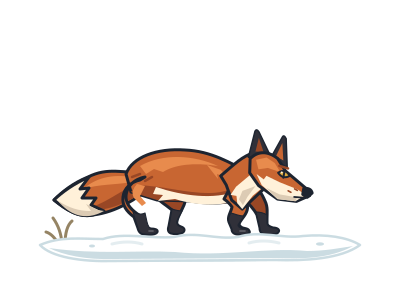
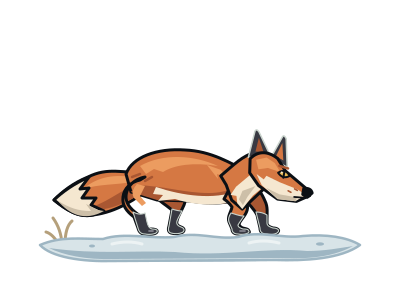
- Red foxPounces on mice under snow, possibly aiming with Earth's magnetic field.
- Dire wolfA heavy Ice Age dog relative with a distinct ancient history; newer DNA work suggests ancestry from two lineages.
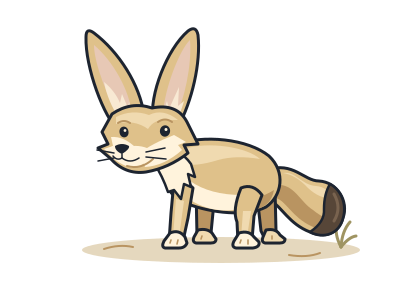
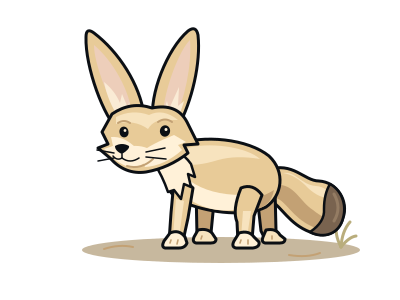
- Fennec foxThe smallest fox, with giant ears that shed desert heat.
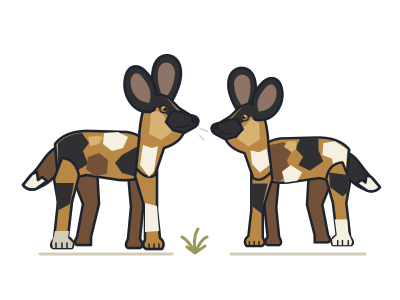
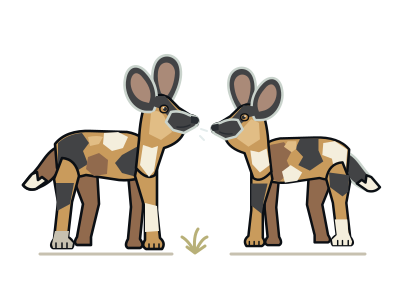
- African wild dogSneezes may help packs agree when to set off; a five-pack study linked more sneezes with departure.
- CoyoteA clever wild dog that has spread across North America and now lives in many big cities.
- Arctic foxA small fox whose coat turns white in winter and whose fur keeps it warm far below freezing.
- Maned wolfA fox-like dog on stilt legs from South American grasslands that eats a lot of fruit.