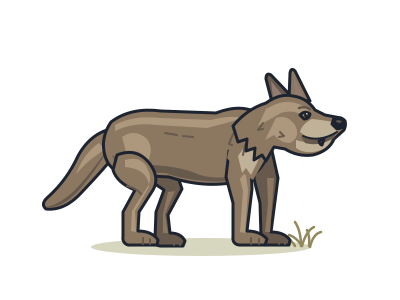
An extinct species
Dire wolf †
Aenocyon dirus
A heavy ice-age hunter from a separate branch of the dog family.
Lived about 250,000–13,000 years ago.
You and the dire wolf meet in the Placental mammals branch, shown at about 95 million years ago (on 23 December, in a calendar from life's shared ancestor to today).
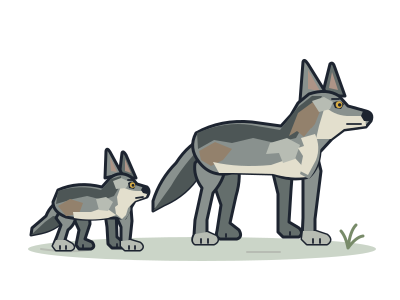
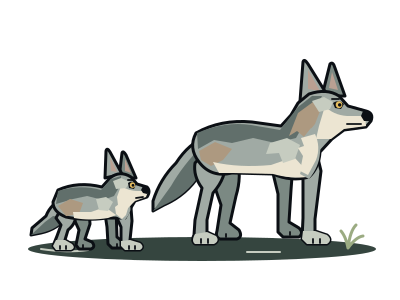
The dire wolf was a heavy ice-age hunter, but it was not simply a bigger grey wolf. Ancient DNA showed that it belonged to a separate, ancient branch of the dog family. It was still a relative of dogs and foxes. It lived about 250,000 to 13,000 years ago.
Fossil skulls showed a broad, tall head, large cutting teeth and strong attachment areas for jaw muscles. One museum estimate put adult weight at about 60–70 kilograms, roughly the weight of an adult person. This was a substantial animal, not a fantasy-sized monster.
Ice-age life did not always mean snow. Its fossil distribution suggested homes in grasslands, open coastal woodland and tropical wetlands. Chemical clues in fossils suggested that horses were important prey for the populations studied. Bison, camels and ground sloths also contributed to their diet. These findings did not establish the same menu for every dire wolf.
Five ancient DNA samples
The 2021 DNA study examined five fossil individuals from Wyoming, Idaho, Ohio and Tennessee.
One small clue
The first dire-wolf fossil identified at Tule Springs Fossil Beds was a single kneecap.
Across the Americas
Fossils were found across much of North America. South American records included Venezuela, Ecuador, Peru and Bolivia.
Next to it on the tree
- DogA wolf that joined humans tens of thousands of years ago and learned to read our faces.


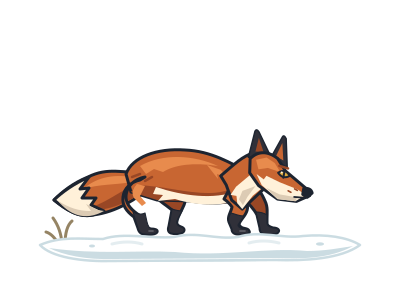
- Red foxPounces on mice under snow, possibly aiming with Earth's magnetic field.
- Grey wolfHunts in family packs; every dog descends from an ancient grey wolf population that is now extinct.
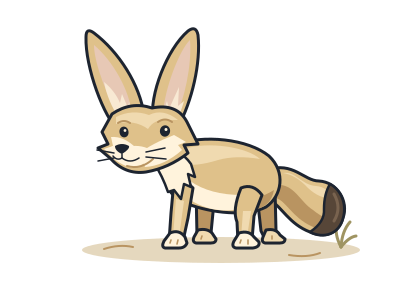
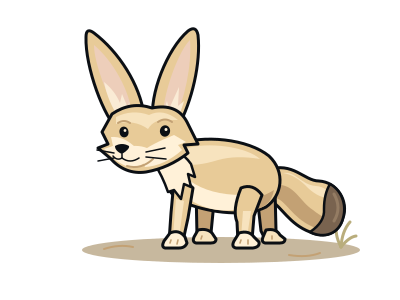
- Fennec foxThe smallest fox, with giant ears that shed desert heat.
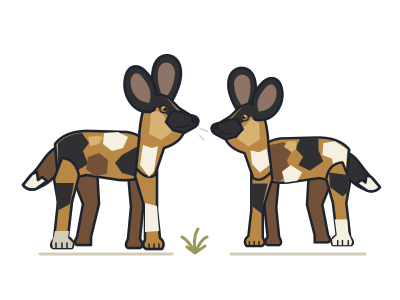
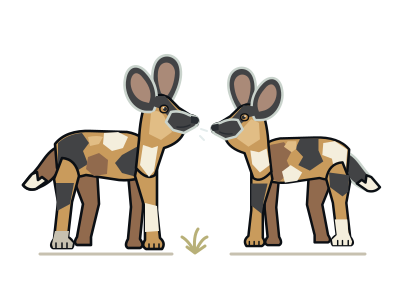
- African wild dogSneezes may help packs agree when to set off; a five-pack study linked more sneezes with departure.
- CoyoteA clever wild dog that has spread across North America and now lives in many big cities.
- Arctic foxA small fox whose coat turns white in winter and whose fur keeps it warm far below freezing.
- Maned wolfA fox-like dog on stilt legs from South American grasslands that eats a lot of fruit.