A species
Sliding diatom
Bacillaria paxillifer
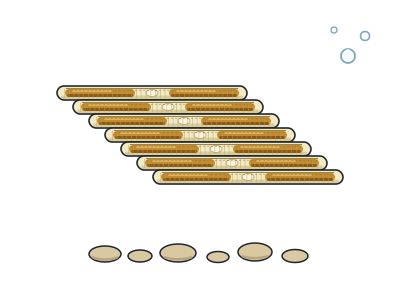
A tiny living deck of cards that shuffles itself, again and again.
You and the sliding diatom meet in the Eukaryotes branch, shown at about 1.8 billion years ago (on 28 July, in a calendar from life's shared ancestor to today).
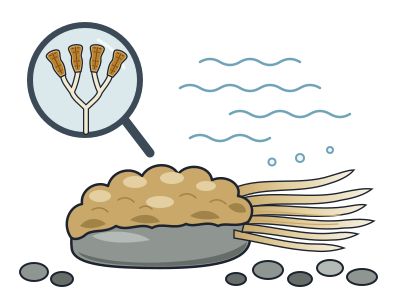
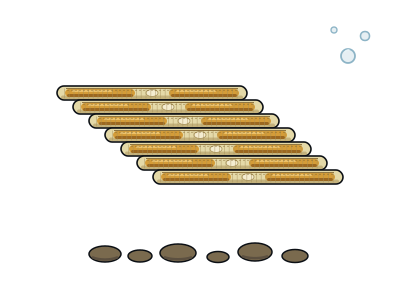
Imagine a deck of cards that spreads itself out into a long staircase, then slides back into a neat pile, over and over. That is what this tiny alga does. A colony is made of about 2 to 30 rod-shaped cells lying side by side. Each cell slides along its neighbours, so the colony stretches out and then pulls back in. In one lab study, one full stretch out and back took about 30 seconds.
It has no tails or hairs to swim with. Tiny glass hooks join neighbouring cells, so they can slide past each other without coming apart. Sticky strands pushed out through slits in each cell's glass wall help the cells grip and glide.
Each cell is a separate living thing that makes food from sunlight. Its golden-brown colour comes from a pigment that kelp and other brown seaweeds also have. These seaweeds are distant relatives, and they belong to the same big branch of life as diatoms and water moulds.
Each cell is only about 0.07 to 0.2 mm long, so you need a microscope to see it. It lives mostly on mud and sand along coasts and in estuaries. It also turns up in some inland rivers with lots of dissolved salts.
The one that named them all
It was the first diatom ever formally described, in the 1780s. The whole scientific class of diatoms takes its name from this one's genus.
Lights out, cards stacked
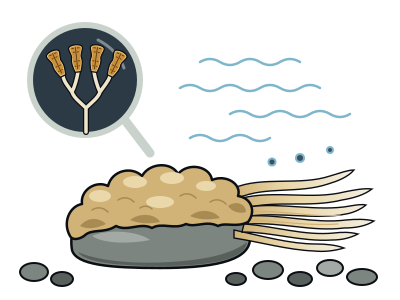
In the dark the colony stops moving and its cells settle into a neat, lined-up stack. When the light comes back, the motion usually starts at a cell on one end and spreads along the colony.
It has its own dance
A dance called the 'Bacillaria Shuffle', invented in 1987, copies the way this diatom moves.
Next to it on the tree
- ThalassiosiraA pillbox-shaped ocean diatom, the first to have its genome read, revealing how cells build glass.
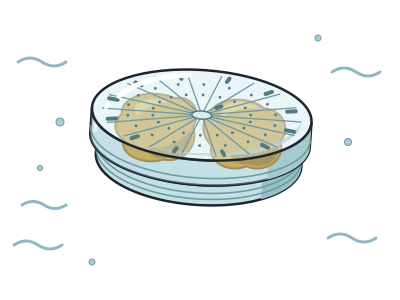
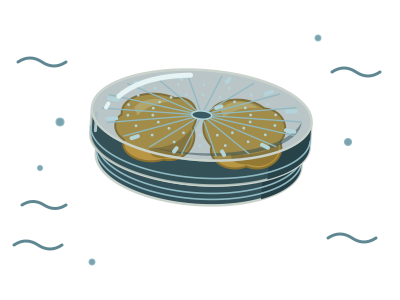
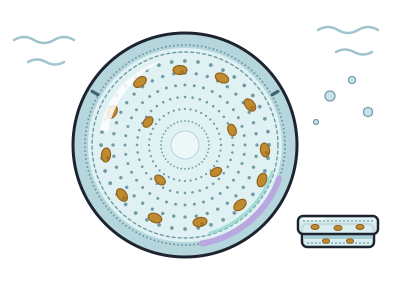
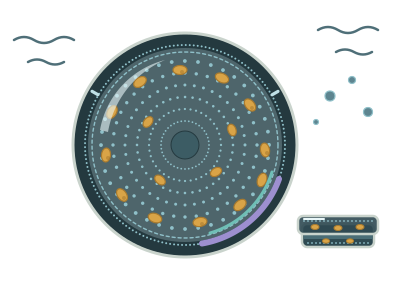
- Giant pillbox diatomOne of the biggest diatoms, a glass disc nearly half a millimetre wide, just visible by eye.
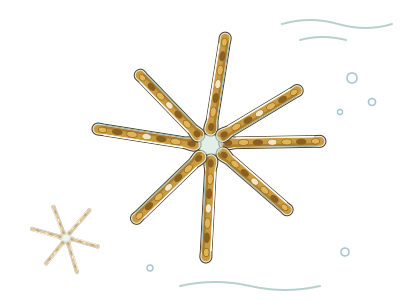
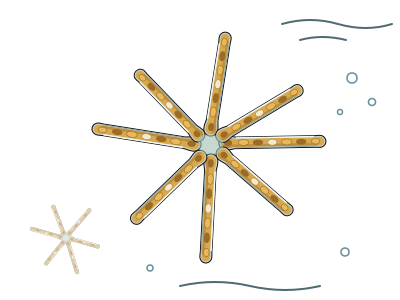
- Star diatomRod-shaped cells join at their tips into floating stars that bloom in lakes each spring.
- Rock snotIts long stalks can coat river beds in thick, woolly mats, earning it the nickname rock snot.