A species
Star diatom
Asterionella formosa
Tiny golden stars made of glass-walled cells that bloom in lakes every spring
You and the star diatom meet in the Eukaryotes branch, shown at about 1.8 billion years ago (on 28 July, in a calendar from life's shared ancestor to today).
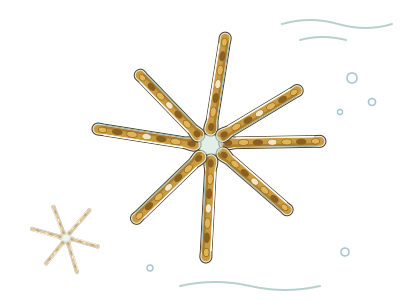
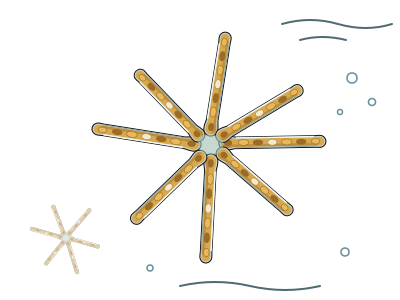
Picture a tiny golden star drifting in a lake. Each arm of the star is a separate living cell: a thin rod with swollen ends, a bit like a stretched dog bone. Often six to eight of these cells are stuck together at their inner tips by small pads of jelly, so they spread out like the spokes of a wheel. Every spring, as the days get brighter, these stars multiply quickly. In freshwater lakes in temperate parts of the world, it is perhaps the most widespread diatom in the spring bloom.
It looks like a speck of plant, but it is not a plant. It is a diatom, and diatoms belong to the same wider group as kelp, the giant brown seaweed. Each cell lives inside a see-through shell made of silica, the main ingredient of glass. The shell comes in two halves that fit together like a dish and its lid. Small golden-brown parts inside the cell catch sunlight to make food.
The stars cannot swim. They simply drift and turn in the open water of lakes and slow rivers around the world, especially in the northern hemisphere. Their star shape makes them bigger than a single cell, which may help protect them from tiny grazing animals.
From ten to thousands
Windermere is England's largest lake. Records there from 1946 to 1990 showed about 10 cells in each millilitre of water in winter, on average. At the spring peak, around early May, there were about 4,000. By midsummer the numbers had crashed to almost none.
Shrinking with every split
When a diatom divides, each new cell keeps one half of the old shell and builds a new, smaller half inside it. So the cells slowly get smaller over the generations, until sexual reproduction brings them back to full size.
An earlier spring
A study of Windermere covering 48 years found that the spring peak came earlier over time. Both pollution from extra nutrients and a warmer lake played a part, but the nutrients mattered more.
Next to it on the tree
- ThalassiosiraA pillbox-shaped ocean diatom, the first to have its genome read, revealing how cells build glass.
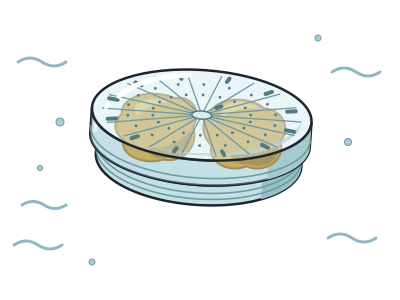
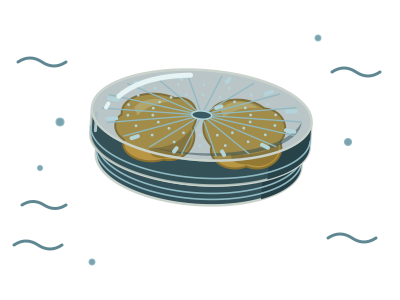
- Giant pillbox diatomOne of the biggest diatoms, a glass disc nearly half a millimetre wide, just visible by eye.
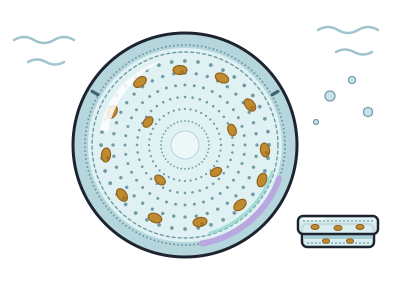
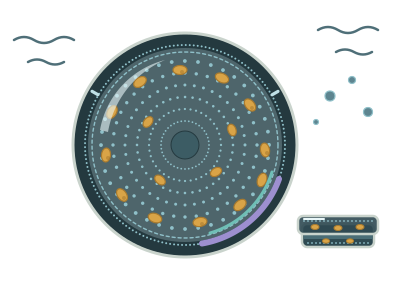
- Sliding diatomIts cells stack like a deck of cards and slide back and forth against each other in rhythm.
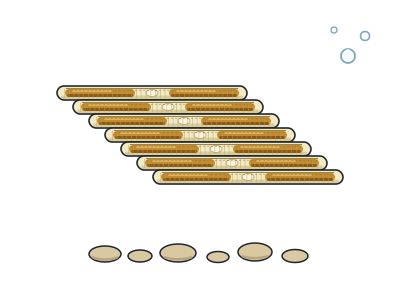
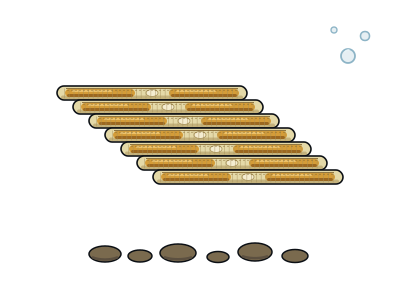
- Rock snotIts long stalks can coat river beds in thick, woolly mats, earning it the nickname rock snot.