A species
Linnaeus's two-toed sloth
Choloepus didactylus
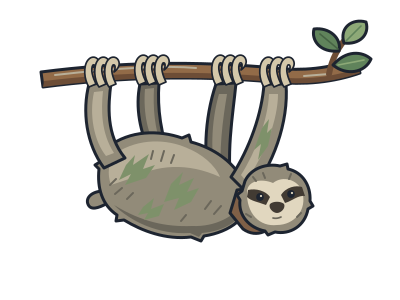
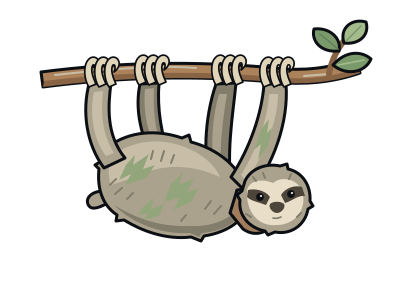
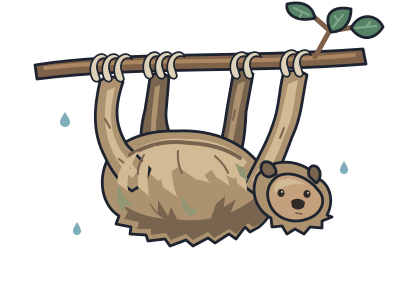
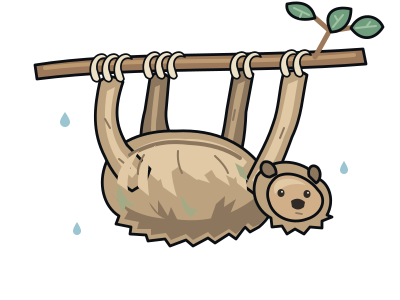
An upside-down life, with fur parted along the belly.
You and the linnaeus's two-toed sloth meet in the Placental mammals branch, shown at about 95 million years ago (on 23 December, in a calendar from life's shared ancestor to today).
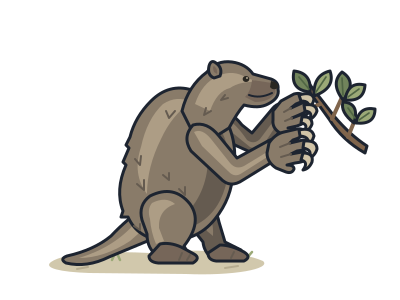
Linnaeus's two-toed sloth spends much of its life hanging upside down, and its long fur parts along its belly. This shaggy tree-dweller belongs to the same wider group of mammals as anteaters and armadillos. Within that group, sloths are more closely related to anteaters than to armadillos.
It lives high in wet tropical forests across northern South America and the Amazon region. These forests stretch from lowlands into mountains. Its food includes leaves, shoots and fruit. Moving slowly is not laziness: it helps the sloth save energy on food that provides relatively little nourishment.
A life among branches does not mean life is free of danger. Harpy eagles, jaguars and ocelots are among its predators. Forest clearance, wildfires and illegal capture for the pet trade also threaten this species.
Count the fingers
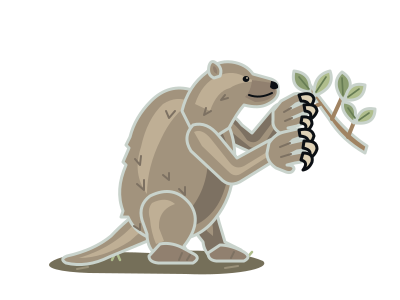
“Two-toed” counts the hands: each has two clawed fingers. Each hind foot has three clawed toes.
An upside-down birth
A female usually has one baby, giving birth while hanging in a tree. The newborn immediately clings to her chest and begins feeding on milk.
A changing body temperature
Its body temperature varies with its surroundings more than that of most mammals, helping reduce its energy needs.