A group of living things
True bugs
Hemiptera
Insects with a beak for sucking juices, from cicadas and aphids to pond skaters.
This branch is shown at about 290 million years ago; its age is a rough estimate.
You and true bugs meet in the Two-sided animals branch, shown at about 580 million years ago (on 11 November, in a calendar from life's shared ancestor to today).
Two-sided animalsStarfish, sea squirts and usChordatesVertebratesJawed vertebratesBony fish and their descendantsLobe-finned fishFish on the way to landFour-limbed animalsAmniotesMammals and their ancestorsMammalsLive-bearing mammalsPlacental mammalsPrimates, rodents and rabbitsPrimatesApesGreat apesHumans and chimpanzeesHumanMouth-first animalsMoulting animalsArthropods and kinArthropodsCrustaceans and insectsInsectsWinged insectsTrue bugs
Insects with a beak for sucking juices, from cicadas and aphids to pond skaters.
The full page for True bugs is still being written and drawn.
Inside true bugs
- Cicadas and hoppersSap drinkers that sing, spit foam or wear wild helmets, and jump better than fleas.
- CochinealA cactus-dwelling scale insect crushed to make the red dye in foods and lipsticks.
- Lac insectIts resin coating gives us shellac, once used to make gramophone records.
- Shield bugs, pond skaters and kinBugs with half-hard front wings, living everywhere from leaves to the open ocean surface.
Next to it on the tree
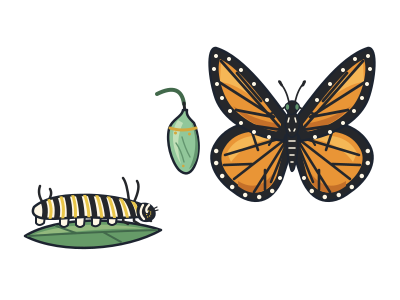
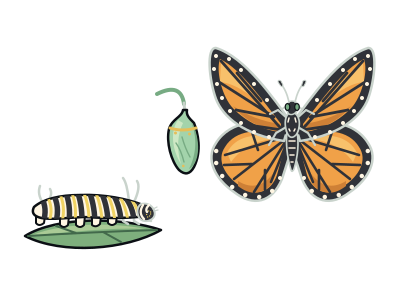
- Insects with full metamorphosisInsects whose young are grubs or caterpillars that rebuild themselves inside a pupa.
- MayfliesThe only insects that moult again after getting working wings, and adults live hours to days.
- Dragonflies and damselfliesAncient aerial hunters whose young spend months or years underwater, catching prey with a shooting jaw.
- GriffinfliesDragonfly-like giants of the coal forests, the largest insects that ever lived.
- Beaked giant insectsAncient insects with a sucking beak for plant juices, some with tiny extra wing flaps.
- Grasshoppers, cockroaches and kinInsects that grow up gradually, with no pupa: crickets, stick insects, earwigs and mantises.
- Grain thripsA tiny "thunderfly" with feathery wings that swarms in hot, stormy weather.