An extinct group
Beaked giant insects †
Palaeodictyopterida
Ancient insects with a sucking beak for plant juices, some with tiny extra wing flaps.
This branch is shown at about 327 million years ago; its age is a rough estimate.
Lived about 327–252 million years ago.
You and beaked giant insects meet in the Two-sided animals branch, shown at about 580 million years ago (on 11 November, in a calendar from life's shared ancestor to today).
Two-sided animalsStarfish, sea squirts and usChordatesVertebratesJawed vertebratesBony fish and their descendantsLobe-finned fishFish on the way to landFour-limbed animalsAmniotesMammals and their ancestorsMammalsLive-bearing mammalsPlacental mammalsPrimates, rodents and rabbitsPrimatesApesGreat apesHumans and chimpanzeesHumanMouth-first animalsMoulting animalsArthropods and kinArthropodsCrustaceans and insectsInsectsWinged insectsBeaked giant insects †
Ancient insects with a sucking beak for plant juices, some with tiny extra wing flaps.
The full page for Beaked giant insects is still being written and drawn.
Inside beaked giant insects
Next to it on the tree
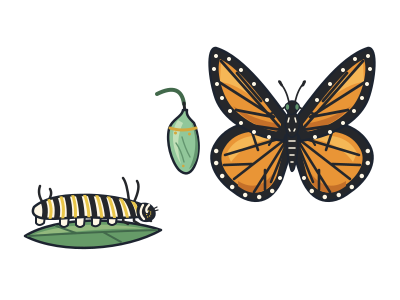
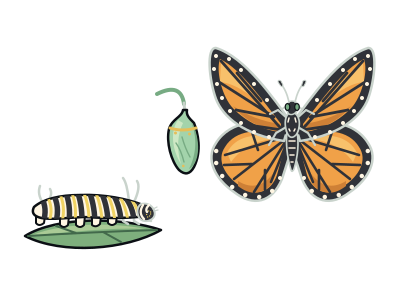
- Insects with full metamorphosisInsects whose young are grubs or caterpillars that rebuild themselves inside a pupa.
- MayfliesThe only insects that moult again after getting working wings, and adults live hours to days.
- Dragonflies and damselfliesAncient aerial hunters whose young spend months or years underwater, catching prey with a shooting jaw.
- GriffinfliesDragonfly-like giants of the coal forests, the largest insects that ever lived.
- Grasshoppers, cockroaches and kinInsects that grow up gradually, with no pupa: crickets, stick insects, earwigs and mantises.
- True bugsInsects with a beak for sucking juices, from cicadas and aphids to pond skaters.
- Grain thripsA tiny "thunderfly" with feathery wings that swarms in hot, stormy weather.