An extinct species
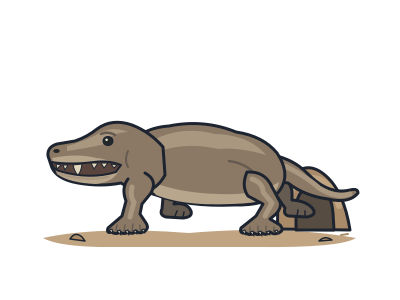
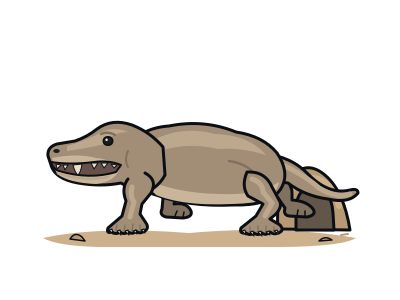
Thrinaxodon †
Thrinaxodon liorhinus
A cat-sized burrow dweller on the mammal side of the family
Lived about 251–248 million years ago.
You and the thrinaxodon meet in the Mammals and their ancestors branch, shown at about 315 million years ago (on 4 December, in a calendar from life's shared ancestor to today).
This cat-sized burrow dweller had a surprisingly mammal-like mouth, yet it was not a mammal. It belonged to the cynodonts, the wider group that included mammals. It lived about 251 to 248 million years ago and was a relative of mammals, not a proven direct ancestor.
Its skeleton showed a long, low body, four short legs and a tapering tail. Inside its mouth, small front teeth sat ahead of long canine teeth. Farther back were cheek teeth with several points. These different tooth shapes were an important resemblance to mammals.
Skeletons preserved inside fossilised burrows showed that it used underground shelters. Some preserved many bones still connected, rather than scattered. These fossils gave researchers evidence of the animal inside its shelter, rather than leaving them to guess its habits from bones alone.
A clue to moving continents
Fossils were found in South Africa and Antarctica. The Antarctic discovery helped support the idea that these lands had once been connected.
An unexpected shelter companion
One burrow fossil preserved it beside an amphibian called Broomistega. Their skeletons showed that two different species had occupied the same shelter.
A changing face
As it grew, its snout became proportionally longer and its eye sockets became proportionally smaller.
Next to it on the tree
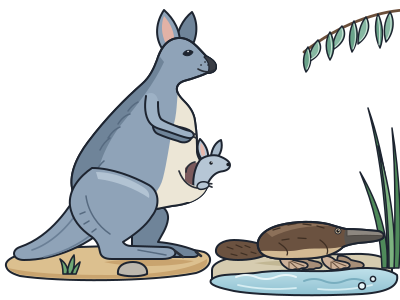
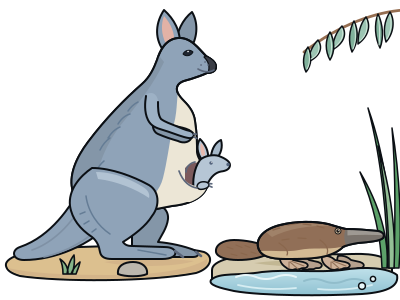
- MammalsFur and milk: from egg-laying platypuses to us.
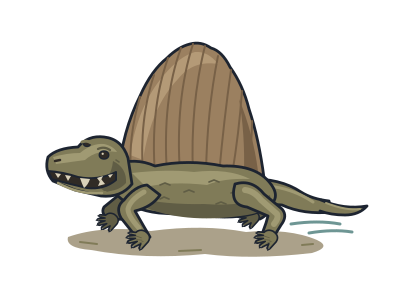
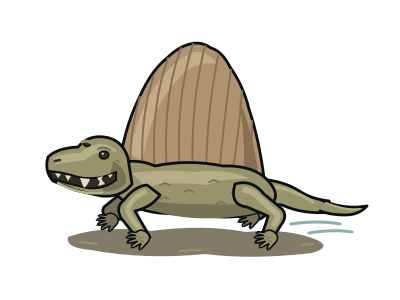
- DimetrodonIts huge back sail looks dinosaur-like, but it is closer to you than to any dinosaur.
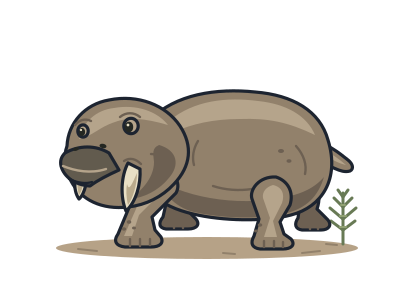
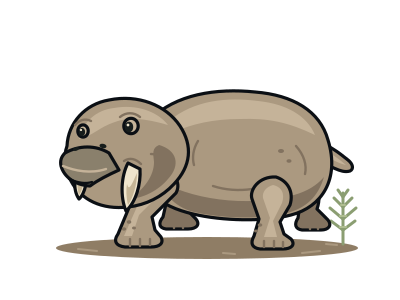
- LystrosaurusA tusked plant-eater that survived the end-Permian extinction and became abundant in parts of southern Africa.
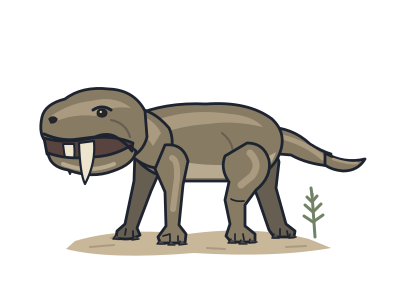
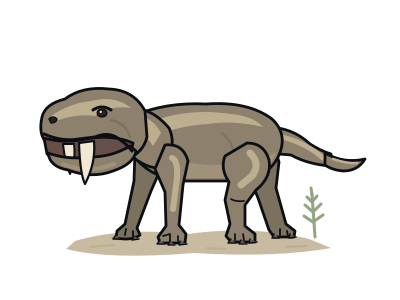
- InostranceviaA bear-sized sabre-toothed gorgonopsian, top predator just before the great Permian die-off.
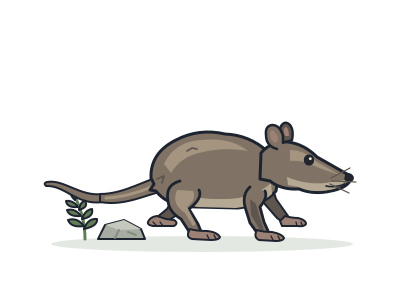
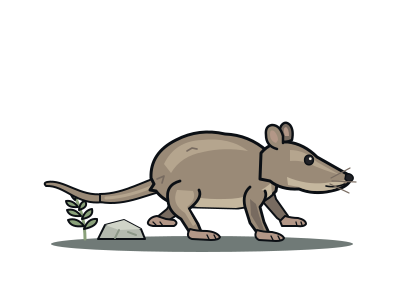
- MorganucodonA shrew-sized night hunter, one of the first mammal-like animals with a mammal jaw joint.
- MoschopsA barrel-chested plant-eater with a skull bone thick enough for head-pushing contests.
- CynognathusA wolf-sized "dog jaw" hunter whose fossils on several continents helped confirm drifting continents.
- CastorocaudaA Jurassic swimmer with a flat beaver-like tail, proving early mammal cousins were not all tiny shrews.