An extinct group
Morganucodon †
Morganucodon
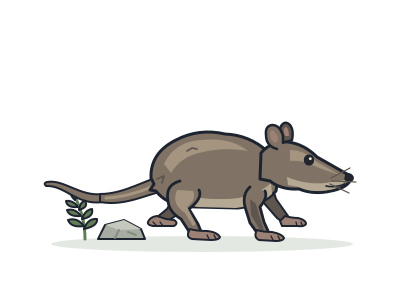
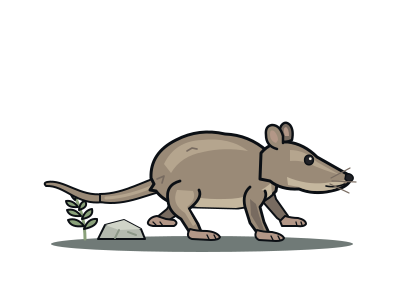
A tiny hunter with a surprisingly mammal-like jaw.
Lived about 205–190 million years ago.
You and morganucodon meet in the Mammals and their ancestors branch, shown at about 315 million years ago (on 4 December, in a calendar from life's shared ancestor to today).
This shrew-sized hunter probably searched for food at night. It was among the earliest mammal-like animals with a mammal-style jaw joint. Yet it lay outside the group formed by the shared ancestor of all living mammals and all its descendants. Early representatives lived about 205 to 190 million years ago.
Its fossil jaws showed a surprising mixture of old and new. They had the kind of joint found in mammals, but also kept the older joint inherited from earlier relatives. Having one mammal-like feature did not mean that its whole jaw was already arranged like ours.
Reconstructions of its brain cavity revealed enlarged areas linked to smell compared with earlier mammal relatives. Evidence about its senses supported the idea of night-time hunting, rather than proving it. In Wales, researchers pieced together fragile teeth and bones preserved in caves and cracks in rock. Those resting places for fossils did not show that the animal normally lived underground.
A Welsh name
Its name meant ‘Glamorgan tooth’, after the Welsh region where important fossils were found.
Milk teeth first
Its front and canine teeth were replaced once: milk teeth gave way to adult teeth.
A surprisingly long life
Growth layers around fossil tooth roots suggested that some individuals survived for about 14 years. That was not an average lifespan.
Next to it on the tree
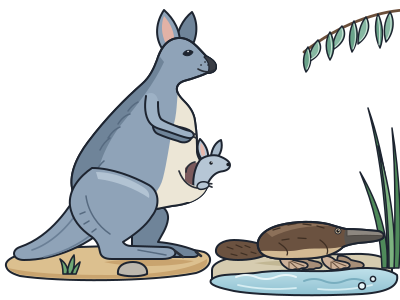
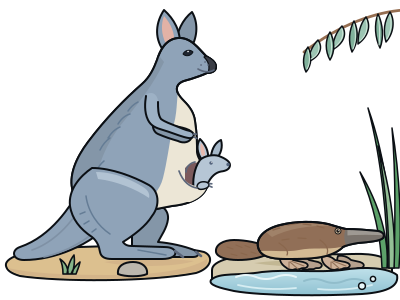
- MammalsFur and milk: from egg-laying platypuses to us.
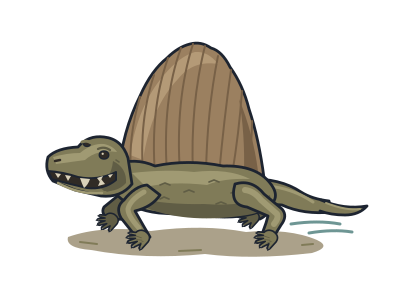
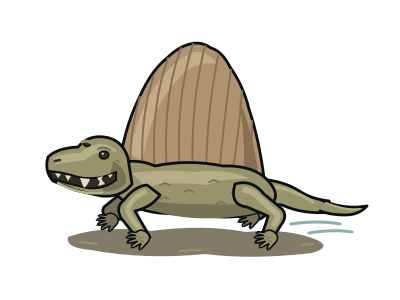
- DimetrodonIts huge back sail looks dinosaur-like, but it is closer to you than to any dinosaur.
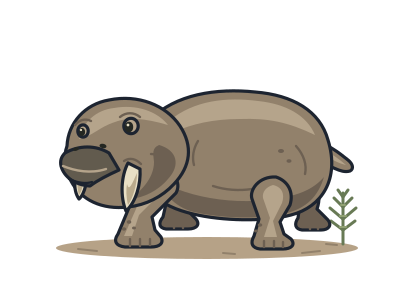
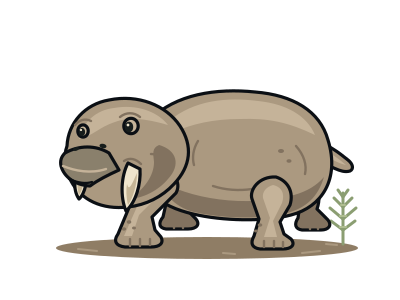
- LystrosaurusA tusked plant-eater that survived the end-Permian extinction and became abundant in parts of southern Africa.
- ThrinaxodonA cat-sized mammal relative with different-shaped teeth and fossils preserved inside burrows.
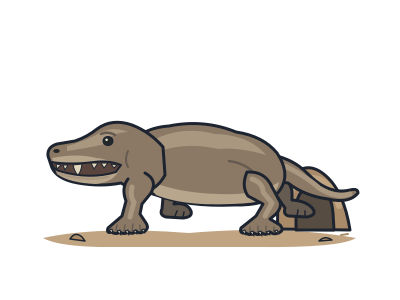
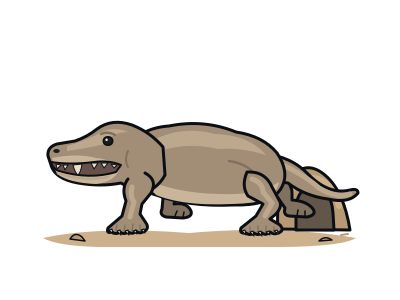
- InostranceviaA bear-sized sabre-toothed gorgonopsian, top predator just before the great Permian die-off.
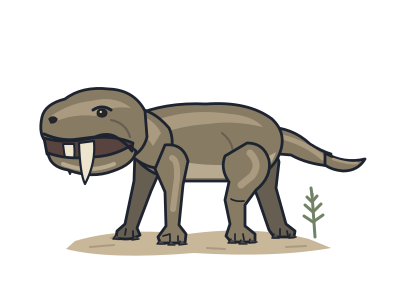
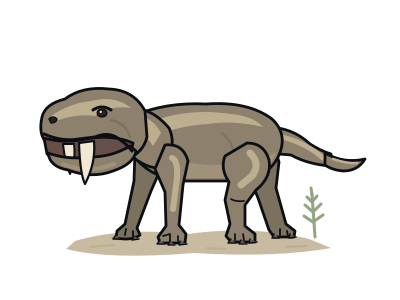
- MoschopsA barrel-chested plant-eater with a skull bone thick enough for head-pushing contests.
- CynognathusA wolf-sized "dog jaw" hunter whose fossils on several continents helped confirm drifting continents.
- CastorocaudaA Jurassic swimmer with a flat beaver-like tail, proving early mammal cousins were not all tiny shrews.