An extinct group
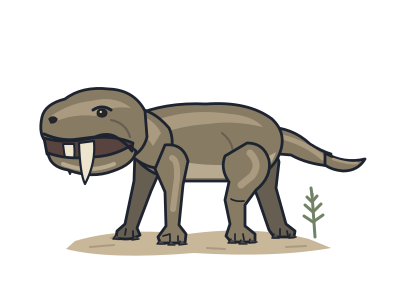
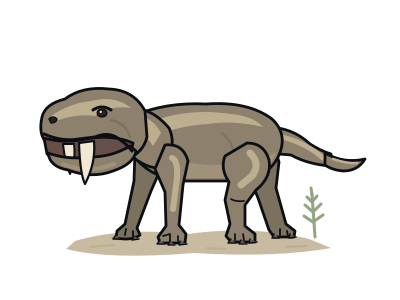
Inostrancevia †
Inostrancevia
A sabre-toothed hunter on our side of the family tree
Lived about 254–252 million years ago.
You and inostrancevia meet in the Mammals and their ancestors branch, shown at about 315 million years ago (on 4 December, in a calendar from life's shared ancestor to today).
This bear-sized, sabre-toothed hunter was a top predator on the mammal side of the family tree. The name covered several related species, not just one. These animals were gorgonopsians: extinct mammal relatives, rather than mammals themselves. They lived roughly 254 to 252 million years ago, before the first dinosaurs.
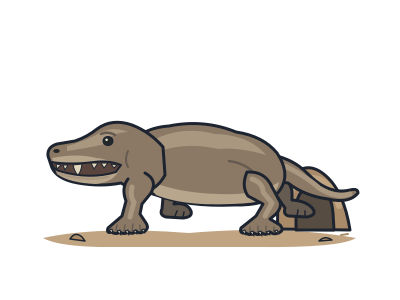
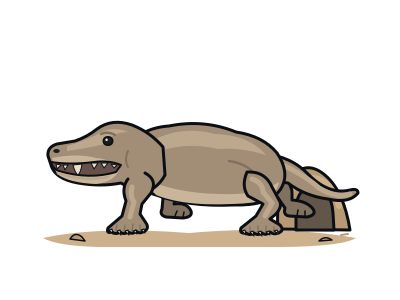
Fossil bones and teeth showed large, four-legged animals with long bodies, tapering tails and oversized heads. Two long upper teeth were their most striking feature. Those teeth helped identify them as predators, but they did not reveal exactly how they hunted or which animals they caught.
Fossils were found in Russia, South Africa, Tanzania and Mozambique. These places belonged to one enormous landmass called Pangaea. In South Africa, one species briefly filled the top-predator role after earlier large predators disappeared. Yet none of these hunters survived the great die-off about 252 million years ago, during catastrophic climate change linked to enormous volcanic eruptions.
A geologist’s namesake
Its name honoured Alexander Inostrantzev, a Russian geologist.
A wide gape
Its jaw structure suggested it could open its mouth wide, making room for its long teeth.
A tooth with cutting edges
The preserved part of one tooth from Mozambique was about 11 centimetres long, with fine, saw-like cutting edges.
Next to it on the tree
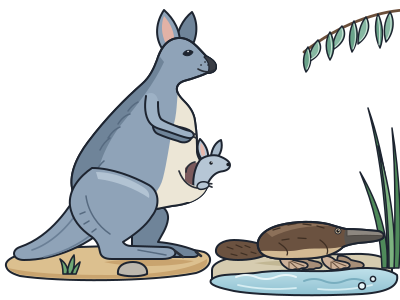
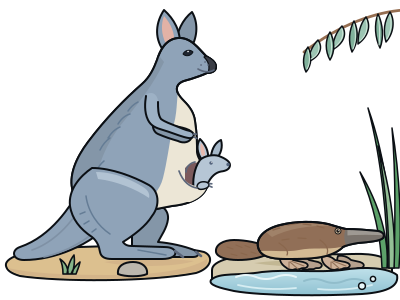
- MammalsFur and milk: from egg-laying platypuses to us.
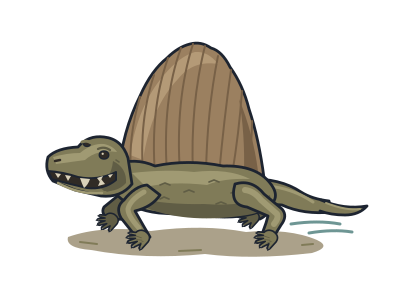
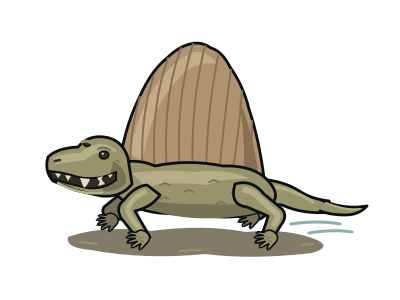
- DimetrodonIts huge back sail looks dinosaur-like, but it is closer to you than to any dinosaur.
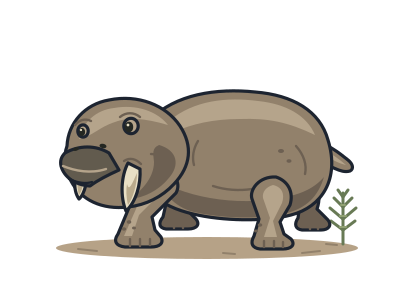
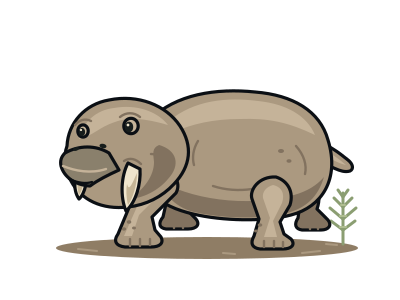
- LystrosaurusA tusked plant-eater that survived the end-Permian extinction and became abundant in parts of southern Africa.
- ThrinaxodonA cat-sized mammal relative with different-shaped teeth and fossils preserved inside burrows.
- MorganucodonA shrew-sized night hunter, one of the first mammal-like animals with a mammal jaw joint.
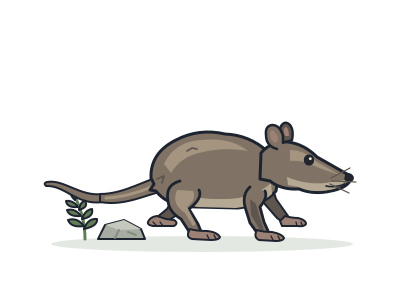
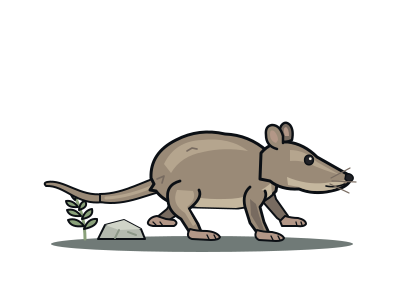
- MoschopsA barrel-chested plant-eater with a skull bone thick enough for head-pushing contests.
- CynognathusA wolf-sized "dog jaw" hunter whose fossils on several continents helped confirm drifting continents.
- CastorocaudaA Jurassic swimmer with a flat beaver-like tail, proving early mammal cousins were not all tiny shrews.