A species
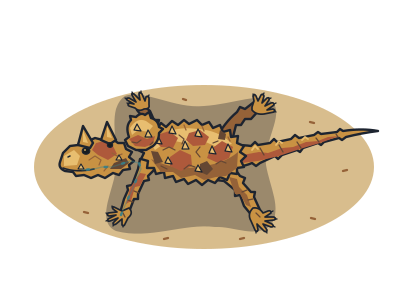
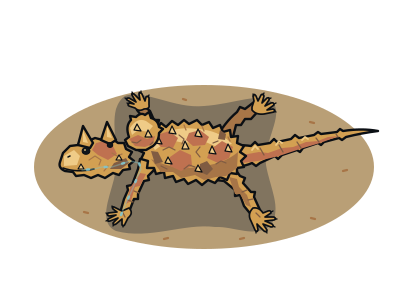
Thorny devil
Moloch horridus
Spiky skin with tiny water-carrying channels
You and the thorny devil meet in the Amniotes branch, shown at about 320 million years ago (on 4 December, in a calendar from life's shared ancestor to today).
Touching damp sand can supply water to tiny channels between the thorny devil’s scales. Water spreads along these narrow spaces towards its mouth without a pump. But collecting water and drinking it are different steps: the water still needs to enter its mouth and be swallowed. Its skin is a delivery system, not a sponge that absorbs a drink straight into its body.
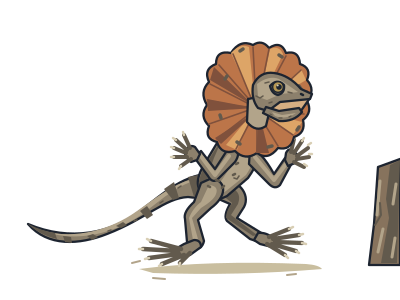
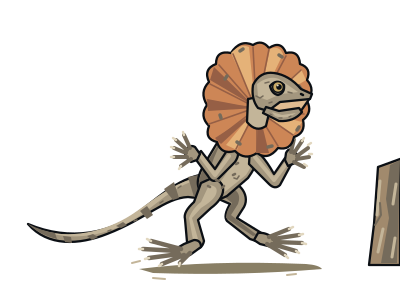
Under that spiky armour is a member of the dragon-lizard family, alongside the frilled lizard and bearded dragons. Its fierce-looking coat hides a family connection to lizards with much less dramatic spikes.
Despite its appearance, this lizard specialises in ants rather than large prey. It can eat hundreds, sometimes thousands, in a meal. Home is Australia’s dry, sandy country, including dunes, grasslands and scrub. When summer days become hot, it can retreat into a shallow burrow.
Changing colours
It tends to be darker brown or olive when cool, and paler yellow when warmer.
Females grow larger
Females are generally larger than males, with average head-and-body lengths of about 9 cm compared with about 8 cm.
Years of growing
Young females grow faster than males after their first year. They can still be growing at about five years old.