A group of living things
Stingrays and eagle rays
Myliobatiformes
Rays that swim by rippling or flapping their wing-like fins, from sand-buried stingrays to soaring mantas.
This branch is shown at about 95 million years ago; its age is a rough estimate.
You and stingrays and eagle rays meet in the Jawed vertebrates branch, shown at about 465 million years ago (on 21 November, in a calendar from life's shared ancestor to today).
Jawed vertebratesBony fish and their descendantsLobe-finned fishFish on the way to landFour-limbed animalsAmniotesMammals and their ancestorsMammalsLive-bearing mammalsPlacental mammalsPrimates, rodents and rabbitsPrimatesApesGreat apesHumans and chimpanzeesHumanCartilaginous fishesRays and skatesStingrays and eagle rays
Rays that swim by rippling or flapping their wing-like fins, from sand-buried stingrays to soaring mantas.
The full page for Stingrays and eagle rays is still being written and drawn.
Inside stingrays and eagle rays
- Reef manta rayA gentle giant with the largest brain-to-body ratio of any fish, and it may recognise itself.
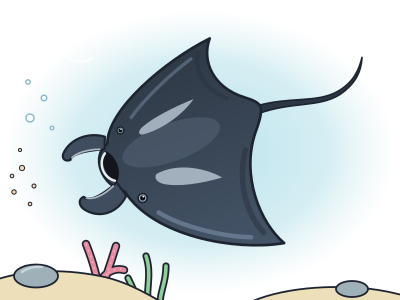
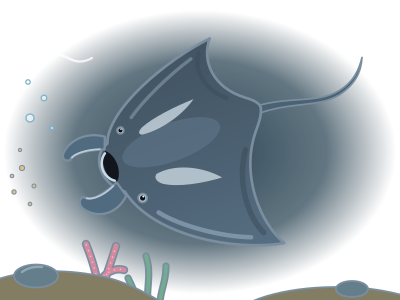
- Southern stingrayLies buried in sand with only its eyes showing; the barbed tail is for defence, not attack.
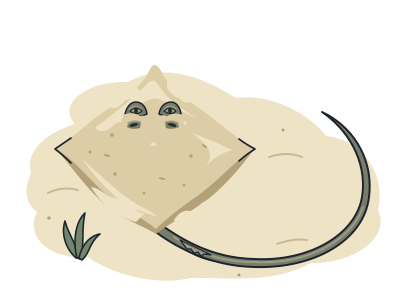
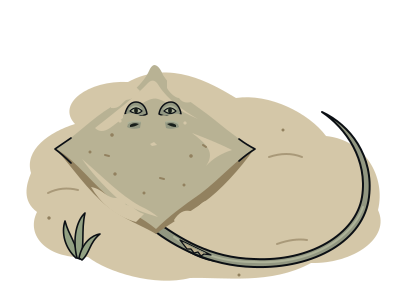
- Spotted eagle rayFlies through the water on spotted wings and sometimes leaps right out of the sea.
- Giant freshwater stingrayA river ray wider than a door; one caught in the Mekong in 2022 weighed about 300 kg.
Next to it on the tree
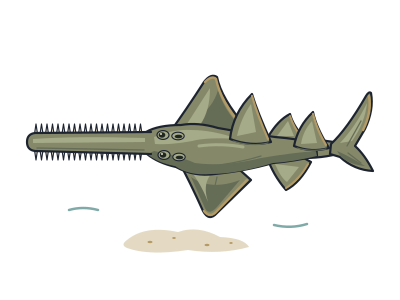
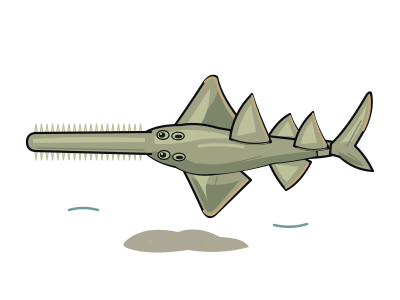
- Largetooth sawfishA ray with a toothed, saw-like snout that senses fish and slashes through schools.
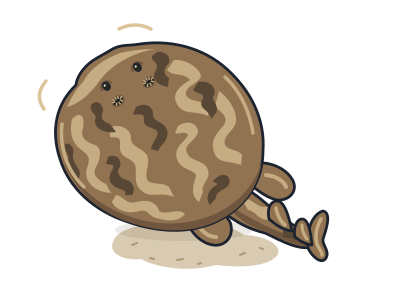
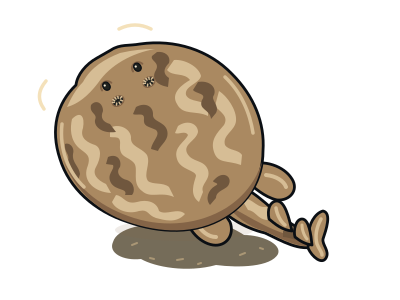
- Marbled electric rayStuns prey with electric shocks from organs in its wings; ancient doctors used it for headaches.
- Common skateDespite its name, this big European skate has been fished so hard that it is now critically endangered.
- Bowmouth guitarfishHalf shark, half ray to look at, with rows of thorny ridges over its head and back.