A group of living things
Stick and leaf insects
Phasmatodea
Masters of disguise that look like twigs or leaves, and many females need no males.
This branch is shown at about 120 million years ago; its age is a rough estimate.
You and stick and leaf insects meet in the Two-sided animals branch, shown at about 580 million years ago (on 11 November, in a calendar from life's shared ancestor to today).
Two-sided animalsStarfish, sea squirts and usChordatesVertebratesJawed vertebratesBony fish and their descendantsLobe-finned fishFish on the way to landFour-limbed animalsAmniotesMammals and their ancestorsMammalsLive-bearing mammalsPlacental mammalsPrimates, rodents and rabbitsPrimatesApesGreat apesHumans and chimpanzeesHumanMouth-first animalsMoulting animalsArthropods and kinArthropodsCrustaceans and insectsInsectsWinged insectsGrasshoppers, cockroaches and kinStick and leaf insects
Masters of disguise that look like twigs or leaves, and many females need no males.
The full page for Stick and leaf insects is still being written and drawn.
Inside stick and leaf insects
- Lord Howe Island stick insectThought extinct for 80 years until a few were found living under one bush on a sea stack.
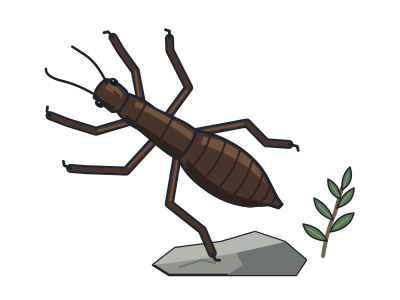
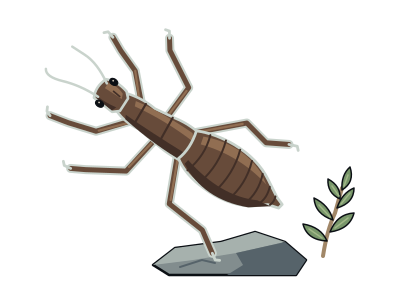
- Timema walking stickA short, plain Californian stick insect from the line that branched first.
- Giant prickly stick insectA spiny Australian insect that curls its tail like a scorpion and whose eggs ants carry home.
- Indian stick insectThe classroom stick insect; nearly all are females that lay eggs without mating.
- Chan's megastickAmong the longest insects ever found, over half a metre with legs stretched out.
- Philippine leaf insectA flat green insect with leaf-like veins that even sways like a leaf in the breeze.
- Messel leaf insectA 47-million-year-old leaf insect from Germany that already looked like a leaf.
Next to it on the tree
- Cockroaches, termites and mantisesTermites turned out to be social cockroaches, and mantises are their cousins.
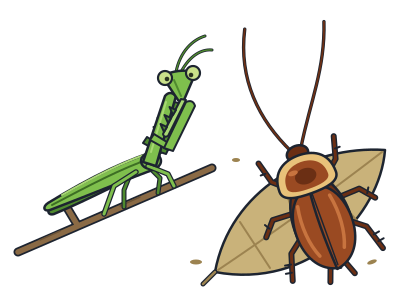
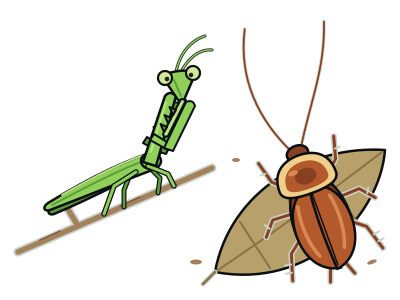
- Coal-forest roachoidA cockroach-like insect of the coal swamps, rebuilt in 3D from a fossil scan.
- ClatrotitanA giant Triassic cricket relative whose wings had sound-making patches.
- SalmonflyA giant stonefly whose mass hatch on western rivers is a famous fly-fishing event.
- GladiatorIts whole order was named in 2002 from museum and amber specimens, then found alive in Namibia.
- WebspinnerSpins silk from its front feet and lives in silk tunnels it can run along backwards.
- Grasshoppers and cricketsJumpers with big back legs that sing by rubbing wings or legs together.
- EarwigsInsects with tail pincers and fan-like back wings folded up like origami.