A species
Mud dragon
Echinoderes dujardinii
A spiny speck that drags itself through seafloor mud head-first
You and the mud dragon meet in the Two-sided animals branch, shown at about 580 million years ago (on 11 November, in a calendar from life's shared ancestor to today).
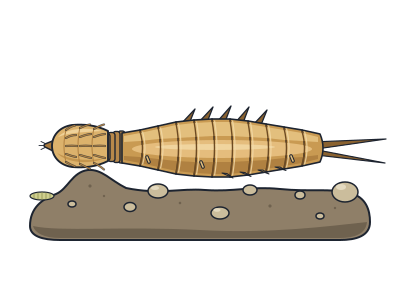
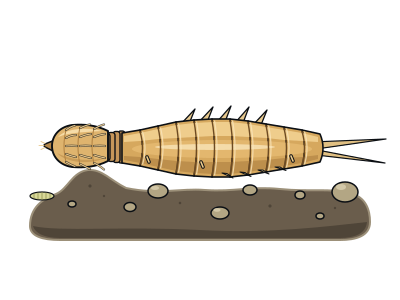
Picture an animal about the size of a single grain of sand, covered in spines, that uses its head as an anchor. The mud dragon pushes its head forward into the seafloor mud. Rings of backward-pointing spines on the head grip the mud, and then it pulls the rest of its body up behind. It cannot swim, so this is how it gets around.
Its head can be pulled right inside its body. When that happens, plates on the neck close over it like a lid. Behind the neck is a trunk made of 11 armoured segments, with spines sticking out along it. It has no legs at all.
The surprise is its family. Mud dragons belong to the moulting animals, the same big group as insects, crabs and roundworms. Scientists describe them as small relatives of arthropods. Like arthropods, they have a tough outer skin and a body made of segments, but they have no jointed legs. Young mud dragons hatch with fewer segments and add the rest as they grow, shedding their skin about six times on the way.
It lives in the sea, in the top layer of mud where there is plenty of oxygen. Mud dragons are thought to feed on tiny algae, bacteria and other bits of food in the mud.
Named after its discoverer
The French scientist Félix Dujardin first found mud dragons in the English Channel in 1841. This species was named after him in 1863.
Deep-sea cousins
Some of its mud dragon relatives live in the deep ocean, as far down as about 8,000 metres. That is nearly as deep as Mount Everest is tall.
Mud-wrapped eggs
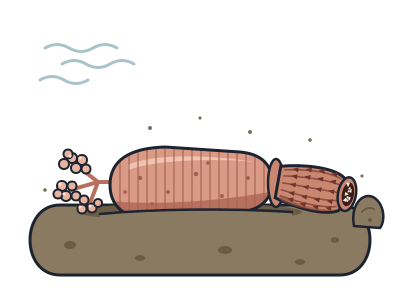
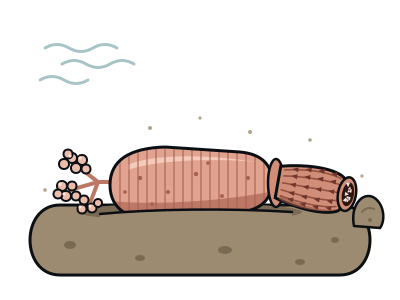
Female mud dragons wrap their eggs in a protective case made of mud and other natural material.
Next to it on the tree
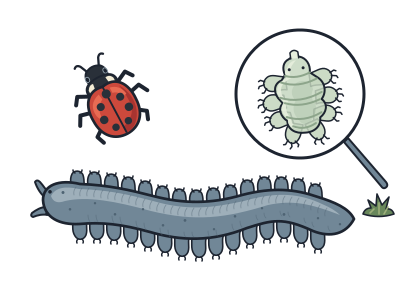
- Arthropods and kinArthropods plus their stubby-legged cousins, water bears and velvet worms.
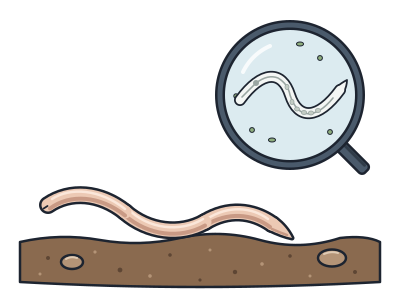
- RoundwormsSmooth, unsegmented worms found almost everywhere, from soil to deep rock to your gut.
- OttoiaA Cambrian burrowing worm with a spiny mouth that turned inside out to grab prey.
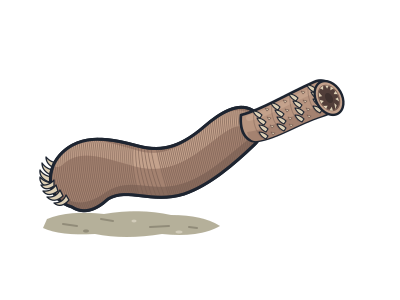
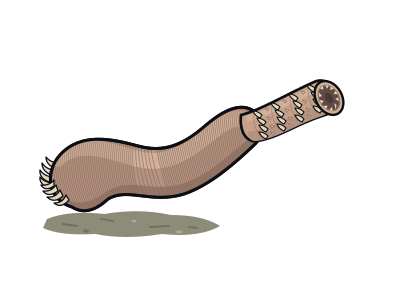
- Priapulid wormA fat burrowing worm whose body plan has barely changed since the Cambrian.