A species
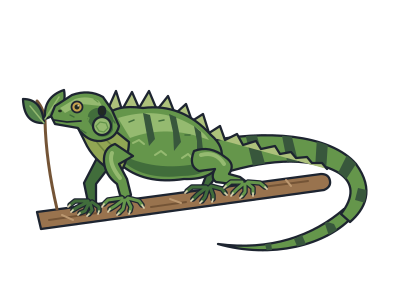
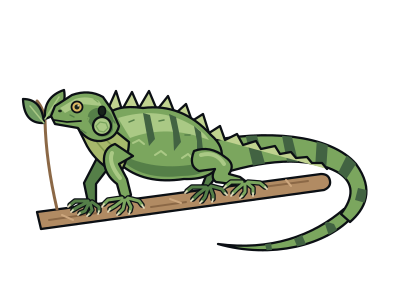
Green iguana
Iguana iguana
A leaf-eater with a remarkable escape route.
You and the green iguana meet in the Amniotes branch, shown at about 320 million years ago (on 4 December, in a calendar from life's shared ancestor to today).
A leaf-eating lizard surviving a 15-metre fall sounds unlikely, but green iguanas have been reported doing just that. Their claws can catch branches and slow the drop. That does not make every fall safe. This tree-climber belongs to the same family as the algae-eating marine iguana of the Galápagos: relatives with very different feeding places.
Strong legs, long toes and sharp claws help green iguanas grip branches and climb through trees. They live mainly in tropical trees and forest edges near water. When threatened, they can jump from a branch into the water and swim away. Climbing is not their only escape route.
Their main foods are leaves, flowers and fruit, and sharp teeth help shred the leaves. Tiny living things inside the large intestine help break down tough plant material. Basking in the sun warms an iguana’s body and helps it digest its meals.
A light-sensing spot
A small organ on top of the head is often called a third eye. It senses light but cannot form clear pictures.
Messages without words
Head-bobbing and movements of the throat flap help iguanas communicate with rivals and potential mates.
Seed spreaders
Green iguanas help spread seeds.
Next to it on the tree
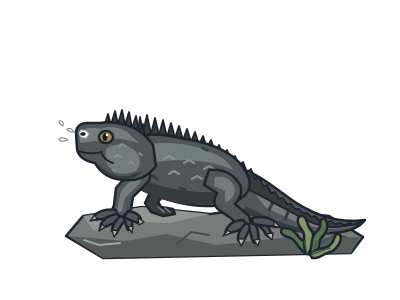
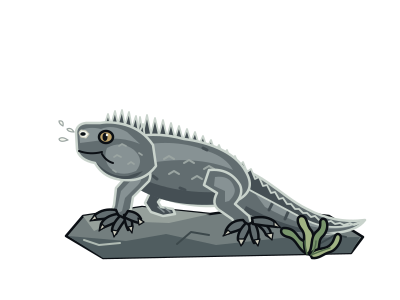
- Marine iguanaThe only lizard that feeds in the sea, sneezing out salt after grazing on seaweed.
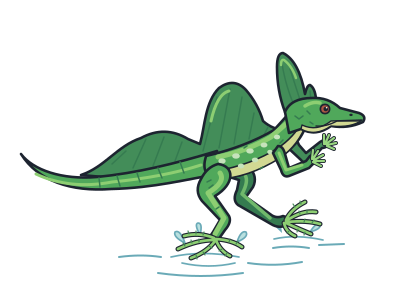
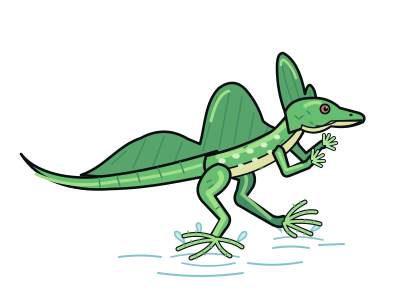
- Green basiliskRuns across water on its hind legs, earning the name 'Jesus Christ lizard'.
- ChameleonsFrom cat-sized giants to one that fits on a fingertip, chameleons are mostly from Madagascar and Africa.
- Dragon lizardsThe Old World's 'dragons': bearded, frilled, spiny and even gliding lizards.
- Green anoleTurns from green to brown and flashes a pink throat fan to rivals.
- Texas horned lizardA flat, spiky ant-eater nicknamed the horned toad, and the state reptile of Texas.