An extinct species
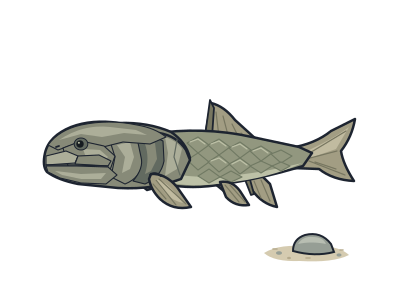
Entelognathus †
Entelognathus primordialis
An armoured fish with a clue to our own face
Lived about 424–422 million years ago.
You and the entelognathus meet in the Vertebrates branch, shown at about 520 million years ago (on 16 November, in a calendar from life's shared ancestor to today).
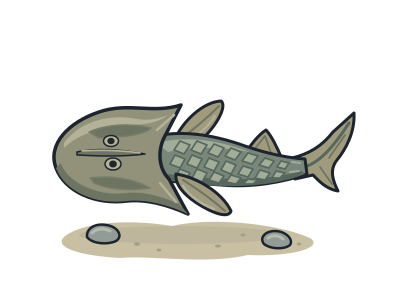
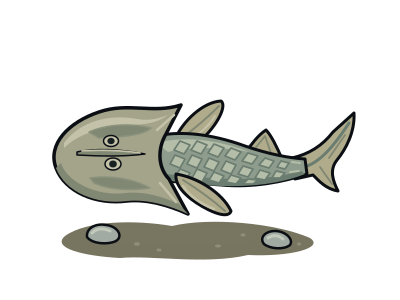
This armoured fish had outer jaw bones corresponding to bones in our own jaws—a surprising clue to where our face came from. Its fossils dated from the late Silurian, roughly 424 to 422 million years ago. Before its discovery, these particular bones had been recognised only in bony fishes and their land-living relatives, including us.
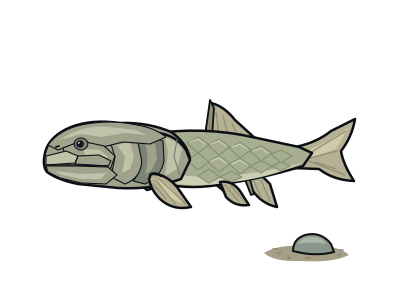
It was described as a placoderm, one of an extinct group of armoured, jawed fishes. Its broad head and front body carried armour, while its narrowing rear body carried scales. It was not simply a small version of Dunkleosteus: that armoured fish had very different, blade-like jaw plates.
Fossils preserved the hard parts that made this connection possible: armour, jaw bones, scales and fin spines. Whole-animal reconstructions combined those remains with interpretations of missing parts. Its importance was not that it had a human-looking face, or that it was a proven direct ancestor of ours. Instead, its mix of features offered evidence about how familiar jaw bones fitted into the wider fish family tree.
A recent introduction
The species was formally described in September 2013.
Scales that slotted together
Some scales fitted together with little pegs and sockets, an arrangement previously thought exclusive to bony fishes.
Eleven rows
A fossil of the rear body preserved 11 rows of scales on each side.
Next to it on the tree
- Jawed vertebratesJaws changed everything: they opened up a whole new menu.
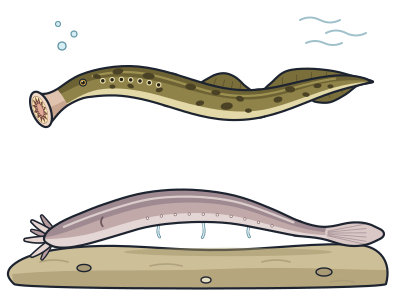
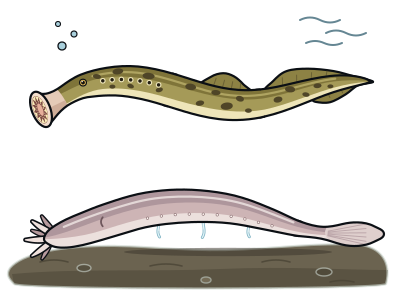
- Jawless fishThe last jawless fish: lampreys and hagfish, survivors of a world before jaws.
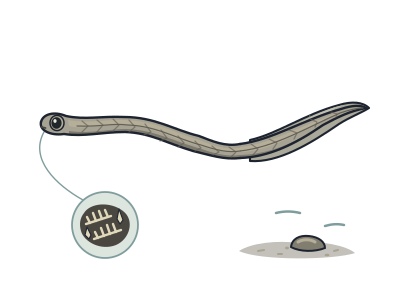
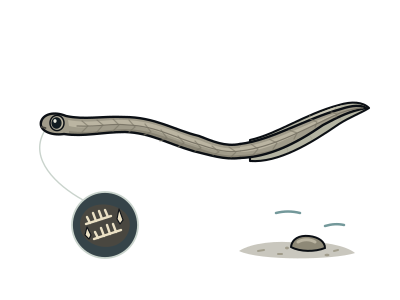
- ConodontsEel-like animals known mostly from tiny teeth, so plentiful that geologists use them to date rocks.
- ArandaspisAn armour-plated fish with no jaws or paired fins, one of the oldest vertebrates known from a body.
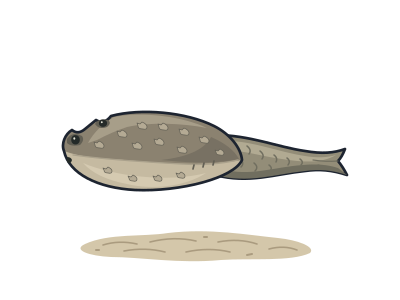
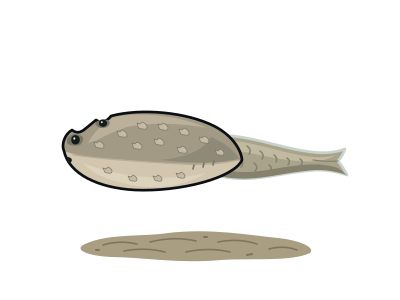
- PteraspisA jawless fish shaped like a torpedo, with a long armoured snout and a spike on its back.
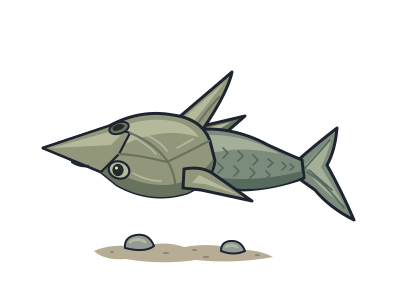
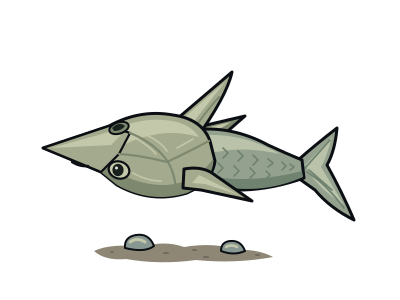
- CephalaspisA jawless fish with a horseshoe-shaped bony helmet and eyes on top, nosing along riverbeds.
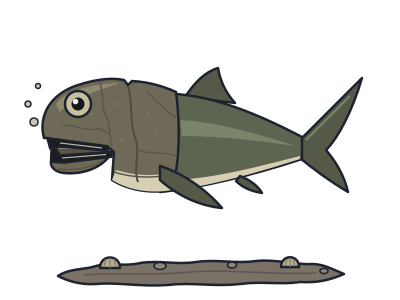
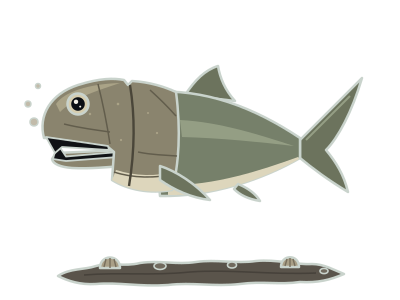
- DunkleosteusA huge armoured fish with self-sharpening bony blades instead of teeth.
- MaterpiscisA 380-million-year-old fossil mother with an unborn baby and its cord: the oldest known live birth in a vertebrate.