An extinct species
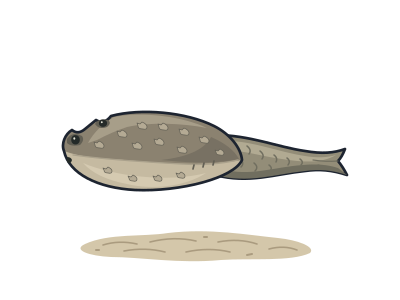
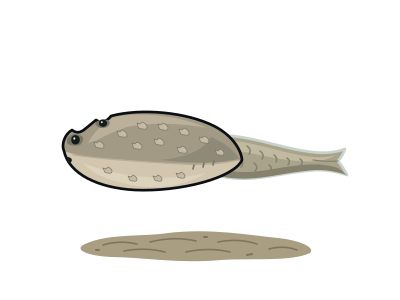
Cephalaspis †
Cephalaspis lyelli
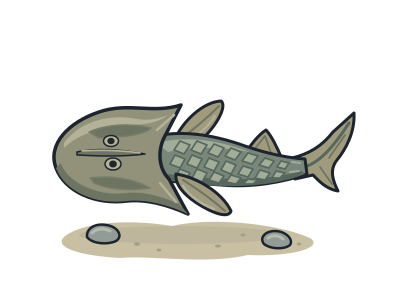
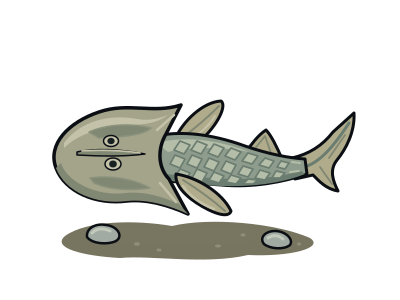
A jawless fish with a bony helmet
Lived about 419–400 million years ago.
You and the cephalaspis meet in the Vertebrates branch, shown at about 520 million years ago (on 16 November, in a calendar from life's shared ancestor to today).
With a horseshoe-shaped bony helmet and eyes on top, this jawless fish probably nosed along riverbeds. Yet its family connection was the bigger surprise. Its wider group, the osteostracans, was more closely related to jawed vertebrates than living lampreys and hagfish were. Lacking jaws did not put all jawless fishes in one close family.
It lived early in the Devonian, within the broad interval about 419 to 400 million years ago. Its broad, flattened head carried a mouth underneath. That position suggested feeding near the bottom, perhaps sucking small animals from the sediment. This was an interpretation of its shape, not behaviour captured in a fossil. Scottish rocks pointed to a landscape of rivers and floodplains.
Fossils preserved its bony armour and scales, but did not reveal every detail. The reference fossil had a badly crushed tail. The spine of a fin on its back survived, but the rest of that fin did not. Reconstructing the whole fish therefore meant combining preserved evidence with careful comparisons to its relatives.
A name like a label
Its name meant ‘head shield’, after its most obvious feature.
Pointed corners
The head shield extended backwards into a point on each side.
Zigzag scales
Its body scales formed zigzag rows rather than straight bands.
Next to it on the tree
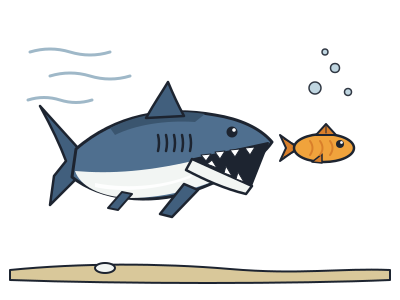
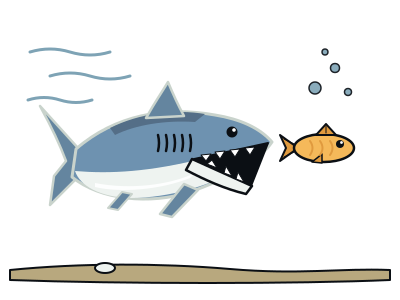
- Jawed vertebratesJaws changed everything: they opened up a whole new menu.
- Jawless fishThe last jawless fish: lampreys and hagfish, survivors of a world before jaws.
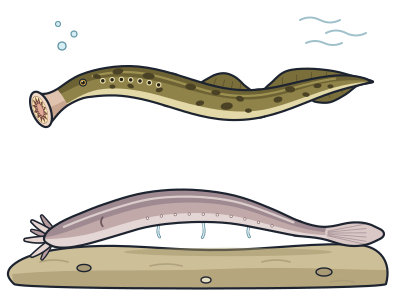
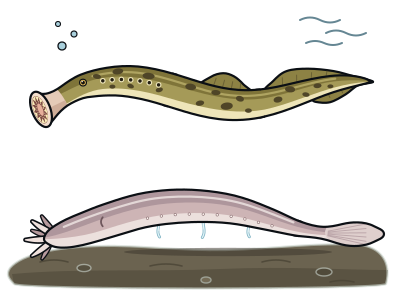
- ConodontsEel-like animals known mostly from tiny teeth, so plentiful that geologists use them to date rocks.
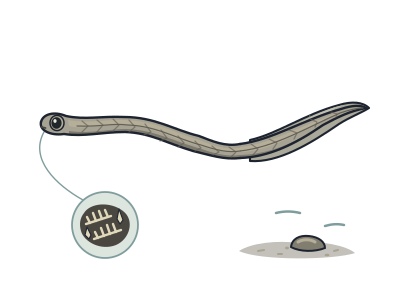
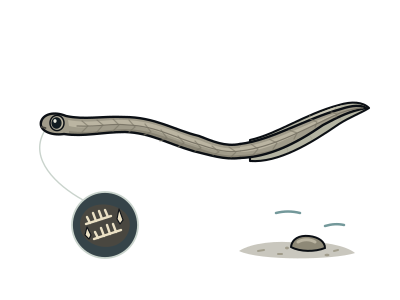
- ArandaspisAn armour-plated fish with no jaws or paired fins, one of the oldest vertebrates known from a body.
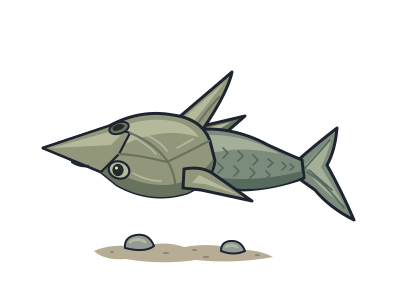
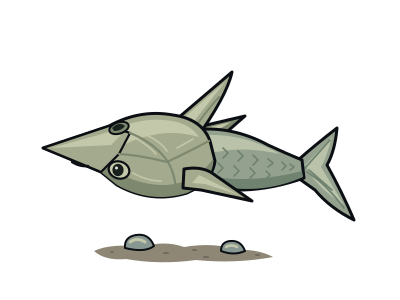
- PteraspisA jawless fish shaped like a torpedo, with a long armoured snout and a spike on its back.
- DunkleosteusA huge armoured fish with self-sharpening bony blades instead of teeth.
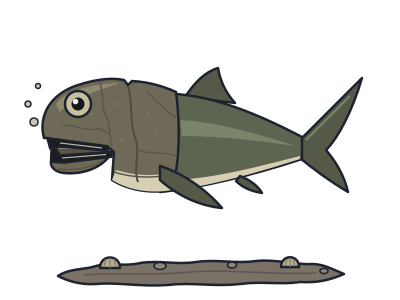
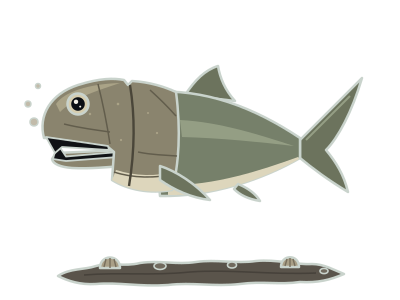
- EntelognathusAn armoured Silurian fish with jaw bones like ours, a clue to where our own face came from.
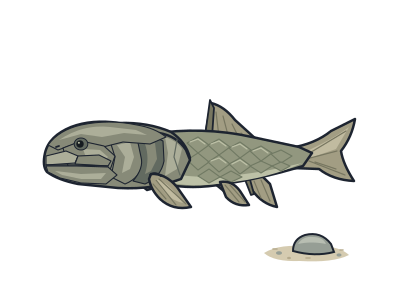
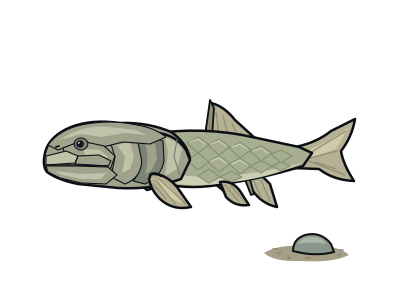
- MaterpiscisA 380-million-year-old fossil mother with an unborn baby and its cord: the oldest known live birth in a vertebrate.