A species
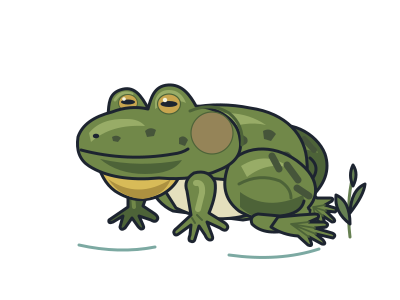
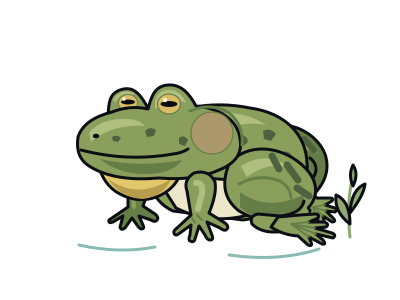
Wood frog
Lithobates sylvaticus
A stopped heart in winter. A hopping frog in spring.
You and the wood frog meet in the Four-limbed animals branch, shown at about 350 million years ago (on 1 December, in a calendar from life's shared ancestor to today).
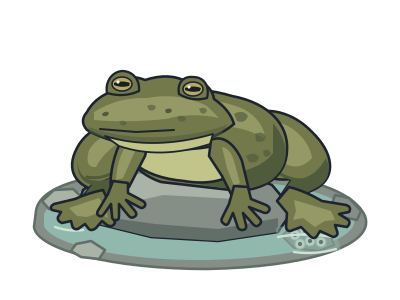
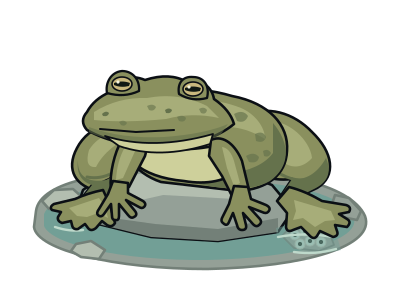
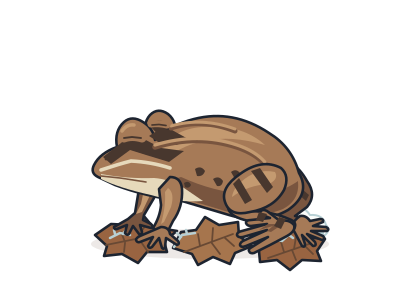
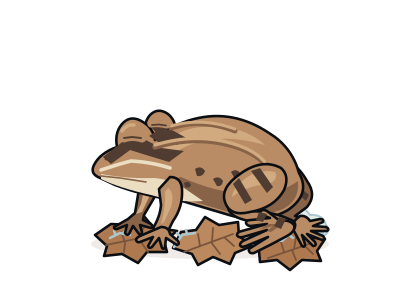
A wood frog can freeze through winter with no heartbeat or breathing, then thaw and hop away in spring. It stays alive throughout. It belongs to the same frog family as the much larger American bullfrog. Not all frogs share its winter trick: many aquatic frogs spend winter in water that stays unfrozen.
The secret is where the ice forms. It freezes outside the frog’s cells, not inside them. The liver turns stored fuel into glucose, a sugar that helps protect those cells from freezing damage and water loss. The frog shelters among fallen leaves on the forest floor. Leaves and snow act like a blanket, but they do not keep it above freezing.
When spring temperatures rise, the frog thaws and heads towards breeding pools. These shallow, fish-free wetlands may dry up later in the year. Breeding can begin while ice still remains on the water. Away from breeding time, adults spend much of their time on damp forest floors, sometimes far from permanent water.
A frog that quacks
Its breeding call is a short, duck-like quack.
A changing body
In some places, tadpoles can become froglets in about 40–90 days.
Small-animal menu
Adults eat spiders, beetles, caterpillars, slugs and snails.