A species
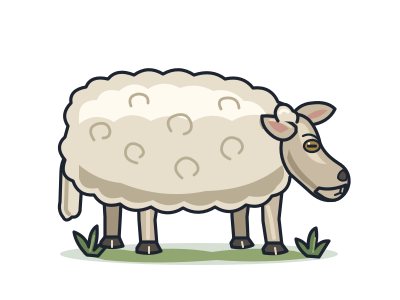
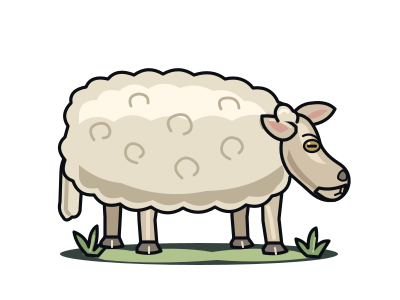
Sheep
Ovis aries
A farming companion for over 10,000 years
You and the sheep meet in the Placental mammals branch, shown at about 95 million years ago (on 23 December, in a calendar from life's shared ancestor to today).
Sheep were among the first farm animals, and people have kept them for over 10,000 years. The familiar animal in a paddock belongs to the same family as cattle, bison, goats and gazelles. That makes a woolly sheep a relative of animals with some very different shapes and coats.
Sheep have supplied people with meat, milk and wool. Their wool can become warm, water-resistant fabric. But a thick fleece is not part of every sheep's outfit: some breeds have hair coats instead. Sheep now live alongside people around the world, from dry country to mountain pastures.
Most sheep feed on grasses and other low-growing plants. Like cattle and goats, they have one stomach divided into four compartments—not four separate stomachs. Tiny organisms inside help break down tough plant material. Sheep also bring partly digested food back to their mouths and chew it again. This is called chewing the cud.
An ancient choice of colour
Ancient DNA suggests farmers were already choosing sheep for coat colour about 8,000 years ago.
Horns are optional
Domestic sheep can have horns or be naturally hornless.
Quick to their feet
Newborn lambs can stand and begin drinking their mother's milk within minutes of birth.
Next to it on the tree
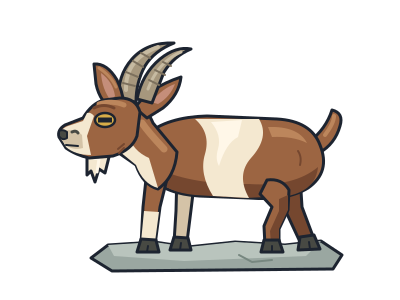
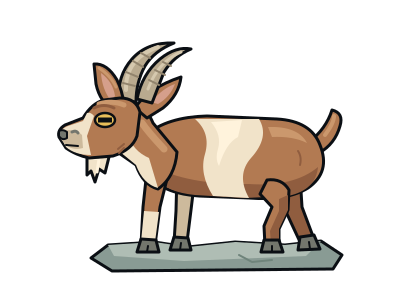
- GoatHorizontal rectangular pupils and rotating eyes help provide a wide view while feeding.
- MuskoxAn Arctic survivor of the Ice Age whose woolly underlayer is warmer than sheep’s wool.
- Alpine ibexA wild goat that climbs near-vertical dam walls to lick salt from the stones.
- Bighorn sheepRams clash their massive curled horns in head-butting contests heard across mountains.