A species
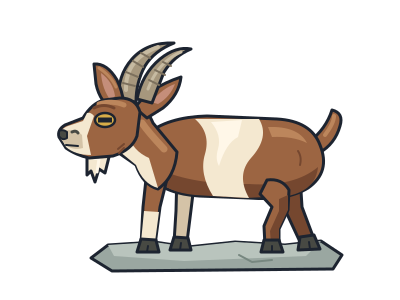
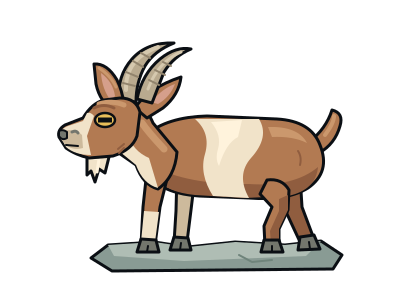
Goat
Capra hircus
Rectangular pupils help keep danger in view.
You and the goat meet in the Placental mammals branch, shown at about 95 million years ago (on 23 December, in a calendar from life's shared ancestor to today).
A goat has horizontal, rectangular pupils—the openings that let light into its eyes. Computer models suggest this shape helps its side-facing eyes gather light from ahead, behind and beside it, making approaching danger easier to spot. That does not mean it can see perfectly in every direction.
The clever part continues when a goat lowers its head to feed. Its eyes rotate, keeping those rectangular openings roughly level with the ground. Sheep share this arrangement. They belong to the same animal family as goats, along with cattle, bison and gazelles. But these eyes are not just a family feature: more distant relatives, including horses, have them too.
Goats eat grass, but also feed on shrubs and woody plants. Most can stand on their back legs to reach branches. Despite their reputation, they do not eat everything. Sniffing and nibbling help them investigate unfamiliar objects, and they reject dirty or unpleasant food.
Quick learners
Some goats learn to open gate latches.
Better together
Goats are social animals that prefer the company of other goats.
Up and following
Newborn goats can walk and follow their mother within hours.
Next to it on the tree
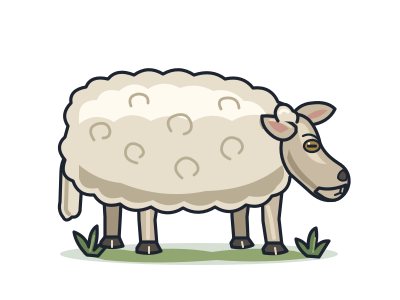
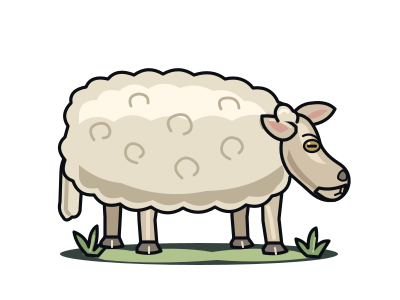
- SheepOne of the first farm animals, kept for over 10,000 years.
- MuskoxAn Arctic survivor of the Ice Age whose woolly underlayer is warmer than sheep’s wool.
- Alpine ibexA wild goat that climbs near-vertical dam walls to lick salt from the stones.
- Bighorn sheepRams clash their massive curled horns in head-butting contests heard across mountains.