A species
European rabbit
Oryctolagus cuniculus
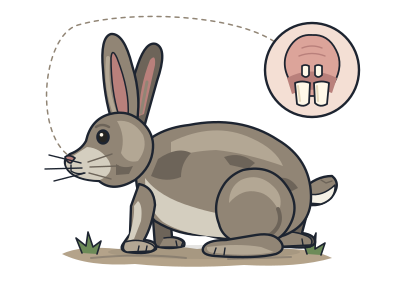
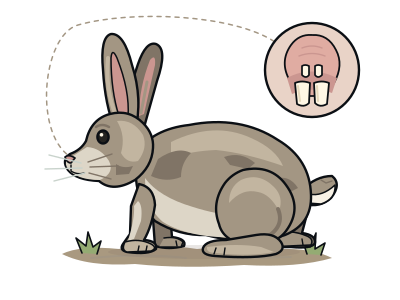
Two big front teeth hide two tiny ones.
You and the european rabbit meet in the Primates, rodents and rabbits branch, shown at about 90 million years ago (on 24 December, in a calendar from life's shared ancestor to today).
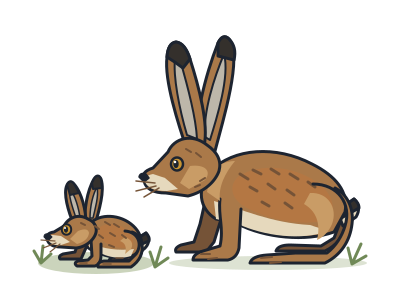
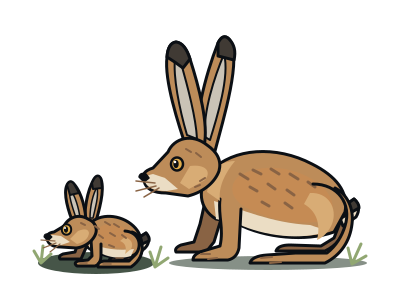
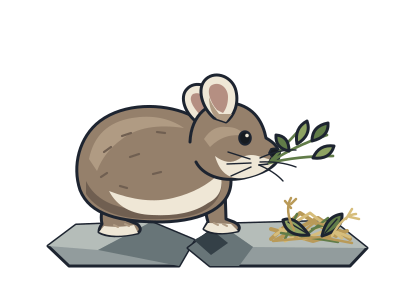
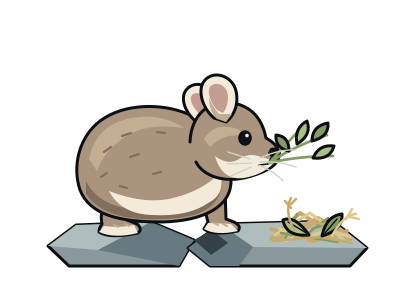
Behind the European rabbit’s two large upper front teeth sits a second, tiny pair, often called peg teeth. Hares and pikas share this hidden feature, but rodents do not. Despite their gnawing teeth, rabbits are not rodents. The rabbit, hare and pika group is the sister group of rodents: a separate, closely related branch of the family tree.
Within that group, rabbits and hares belong to one family, while pikas belong to another. The European rabbit’s front teeth keep growing throughout its life. Those small teeth tucked out of sight are a useful clue to its family connections.
Where soil and food allow, European rabbits live in social groups that share underground tunnel systems called warrens. They usually shelter underground during the day, then come out to feed from evening into the night.
A gap in the teeth
There are no canine teeth. A toothless gap separates the front teeth from the chewing teeth.
A second helping
Rabbits make two kinds of droppings. They swallow the softer kind again to absorb more nutrients, leaving the dry pellets behind.
A warning thump
They thump their hind feet against the ground to warn other rabbits of danger.