A species
Numbat
Myrmecobius fasciatus
A striped termite-eater with meat-eating relatives
You and the numbat meet in the Live-bearing mammals branch, shown at about 160 million years ago (on 18 December, in a calendar from life's shared ancestor to today).
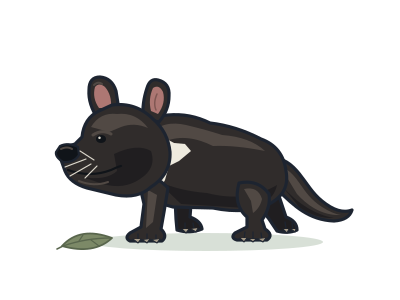
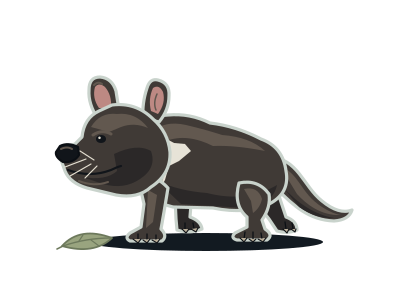
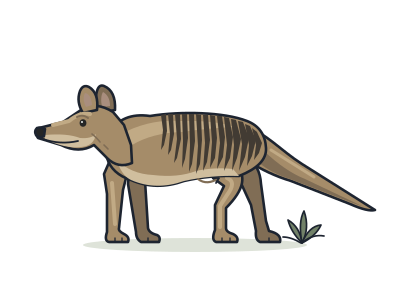
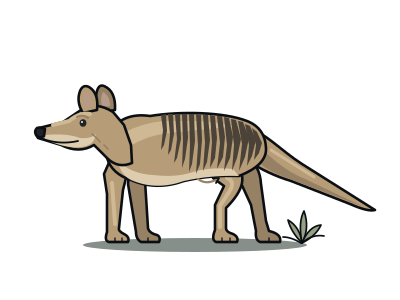
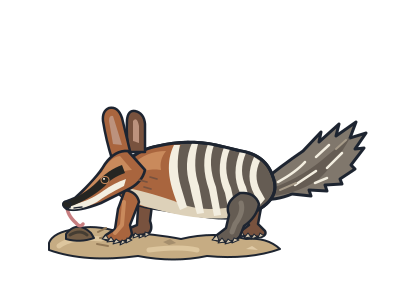
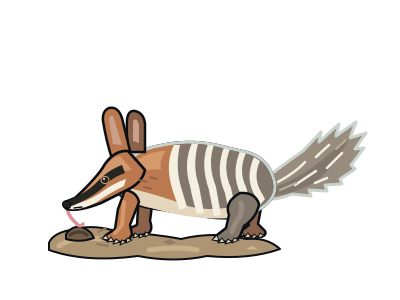
The numbat is a striped termite-eater that can lick up as many as about 20,000 termites in a day. It belongs to the marsupial meat-eaters, making it a relative of the Tasmanian devil and the extinct thylacine. Yet it has its own family, separate from the devil’s family.
Numbats sniff out termites, then scratch open their shallow underground passages with their front paws. A slender, sticky tongue can reach at least 10 centimetres to collect the food. They cannot break into hard termite mounds. Instead, they rely on termites coming into passages close to the soil surface.
That makes feeding time depend on warmth. Numbats search for food in daylight, avoiding the hottest hours in summer. In winter, they wait for the soil to warm and termites to move nearer the surface. At night, they shelter in hollow logs, tree hollows or burrows, protected from the cold and predators.
A marsupial without a pouch
Female numbats have no enclosed pouch. Their young attach to nipples beneath the belly and grip the surrounding fur.
Recognisable stripes
Each numbat has a distinctive stripe pattern. Conservation workers use this alongside other features to recognise individuals.
A state emblem
The numbat is Western Australia’s mammal emblem.