A species
Golden star tunicate
Botryllus schlosseri
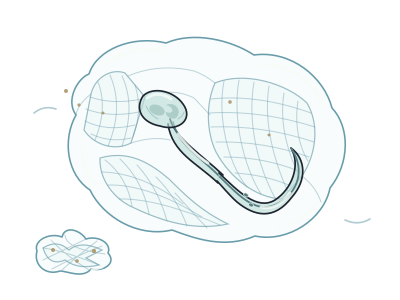
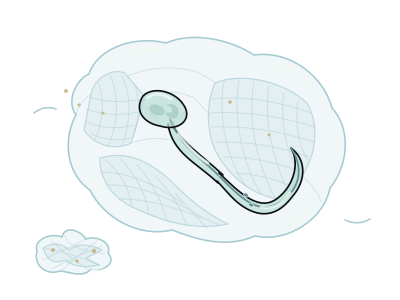
Lives in star-shaped clusters and can regrow a whole body from its blood vessels.
You and the golden star tunicate meet in the Chordates branch, shown at about 550 million years ago (on 14 November, in a calendar from life's shared ancestor to today).
ChordatesVertebratesJawed vertebratesBony fish and their descendantsLobe-finned fishFish on the way to landFour-limbed animalsAmniotesMammals and their ancestorsMammalsLive-bearing mammalsPlacental mammalsPrimates, rodents and rabbitsPrimatesApesGreat apesHumans and chimpanzeesHumanTunicatesGolden star tunicate
Lives in star-shaped clusters and can regrow a whole body from its blood vessels.
The full page for Golden star tunicate is still being written and drawn.
Next to it on the tree
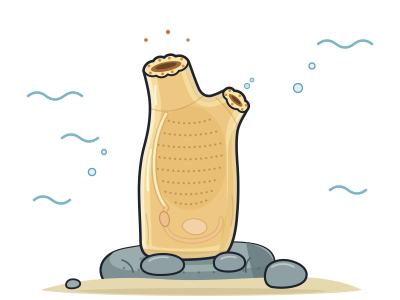
- Sea squirtOur closest invertebrate relatives: they start as swimming tadpoles, then settle and absorb their own brain.
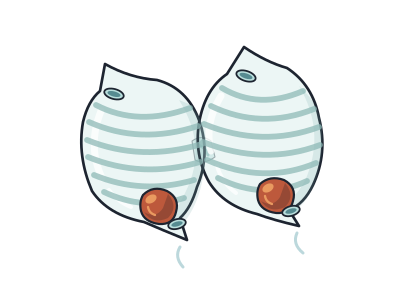
- Giant salpJelly-like barrels that clone into chains metres long and jet through the ocean.
- LarvaceanA tiny tadpole that builds a mucus 'house' to filter food, and throws it away several times a day.
- PyrosomeA glowing tube made of thousands of clones that flashes blue-green when touched.
- Predatory tunicateA deep-sea sea squirt whose hood-shaped mouth snaps shut on drifting animals like a flytrap.