A species
Hardy water bear
Ramazzottius varieornatus
A water bear with a built-in DNA shield
You and the hardy water bear meet in the Two-sided animals branch, shown at about 580 million years ago (on 11 November, in a calendar from life's shared ancestor to today).
This water bear carries a protein called Dsup that helps shield its DNA—the instructions inside its cells. Human cells containing this protein suffered less DNA damage from X-rays in laboratory experiments. These were cells studied outside the body, not people. The protein can reduce damage before it happens, rather than simply repairing DNA afterwards.
Its neighbour on the tree, the lab water bear, belongs to the same major water-bear group. Yet these relatives handle drying differently. This species can withstand rapid drying, while the lab water bear needs a longer preparation period as its surroundings become drier.
Once dry and resting, its body can take up water, swell and become active again. That is a return from a resting state, not a sign that it stays active without water.
Four pairs of legs
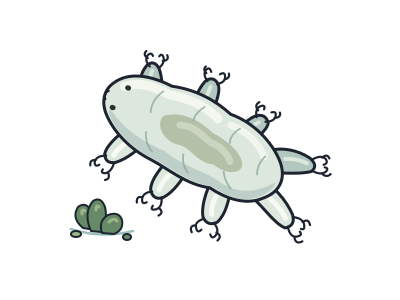
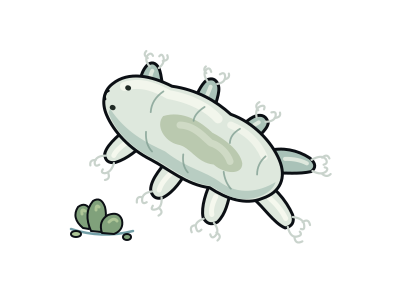
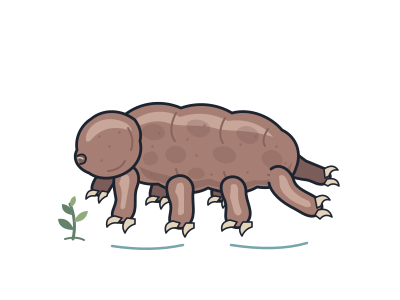
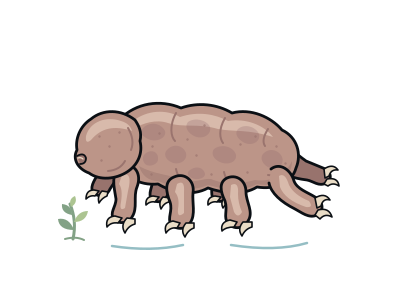
It has eight legs, arranged in four pairs.
Cells kept multiplying
The protected human cells also retained the ability to multiply after exposure to radiation.
A bridge-side home
In Japan, this species has been found in moss growing on a bridge over the Toyohira River in Sapporo.