An extinct species
Mesosaurus †
Mesosaurus tenuidens
A small swimmer with fossils on two continents
Lived about 290–278 million years ago.
You and the mesosaurus meet in the Amniotes branch, shown at about 320 million years ago (on 4 December, in a calendar from life's shared ancestor to today).
This small swimmer helped reveal a connection between continents. Its fossils were found in both southern Africa and South America. It had not crossed the modern Atlantic Ocean: the continents were joined during its lifetime and separated long after it disappeared. It lived about 290 million years ago.
It belonged to the amniotes, the broad group that includes mammals, reptiles and birds. It was not a dinosaur. It was among the earliest known members of this group with adaptations to life in water.
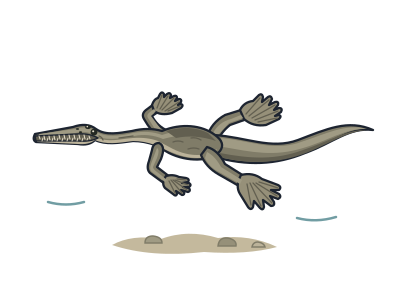
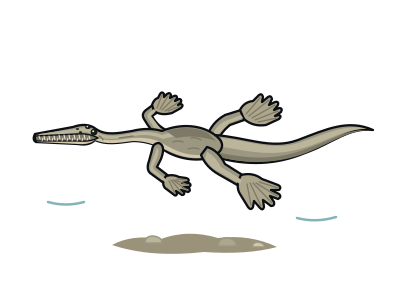
Fossil skeletons showed a slender body, a small, tapering head and a long tail flattened from side to side. Scientists interpreted that tail as its main swimming propeller. Most adult fossils measured about 70–90 centimetres from nose to tail tip—a little shorter than a metre ruler.
Fine teeth
Its jaws carried many long, fine teeth rather than broad cutting teeth.
High nostrils
Its nostrils sat high on its head, close to its eyes.
More than adults
The fossil record included young animals and embryos—developing young—as well as adults.
Next to it on the tree
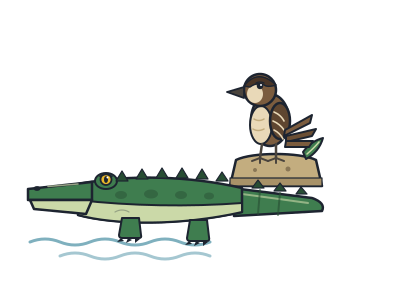
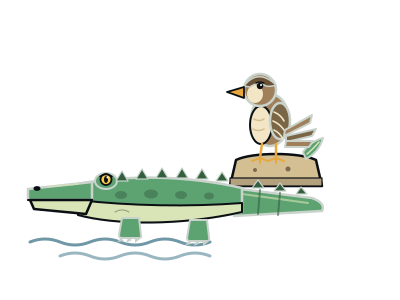
- Reptiles and birdsBirds belong here: a sparrow is a closer relative of a crocodile than a crocodile is of a lizard.
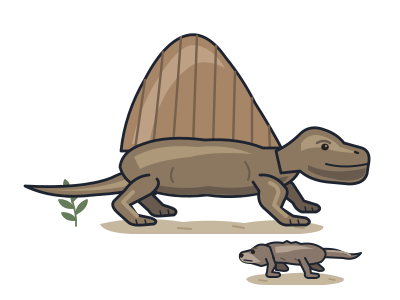
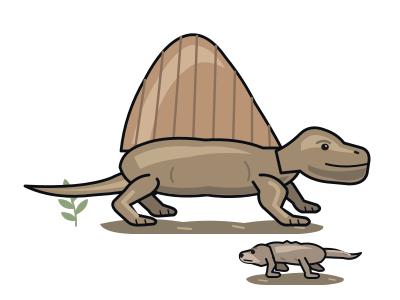
- Mammals and their ancestorsLong before dinosaurs, our sail-backed and tusked forerunners ruled the land.
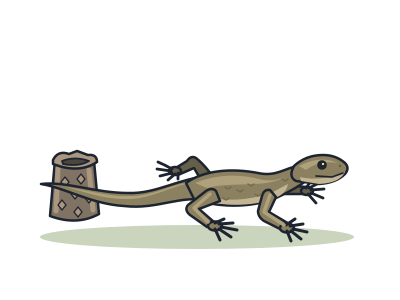
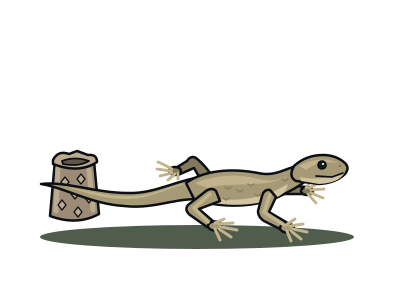
- HylonomusLong described as an early reptile, this small animal was found inside fossil tree stumps in Nova Scotia.
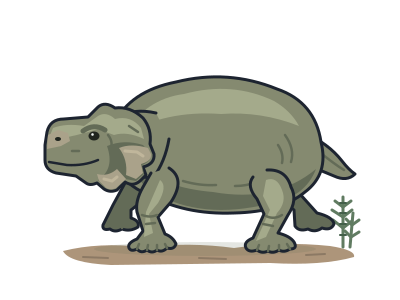
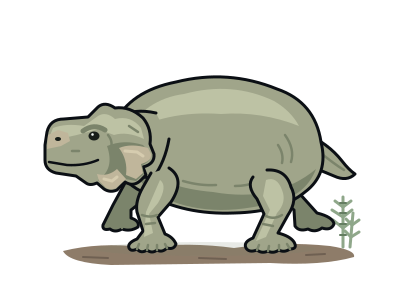
- ScutosaurusA cow-sized, bony-plated plant-eater that lived just before the Permian mass extinction.