An extinct species
Hylonomus †
Hylonomus lyelli
An early reptile relative found inside fossil tree stumps
Lived about 313–312 million years ago.
You and the hylonomus meet in the Amniotes branch, shown at about 320 million years ago (on 4 December, in a calendar from life's shared ancestor to today).
Long described as one of the oldest known reptiles, this small animal was found inside fossil tree stumps at Joggins in Nova Scotia, Canada. It lived about 313 to 312 million years ago. Its exact place in the reptile family tree remains debated.
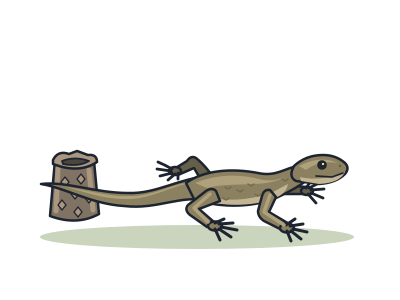
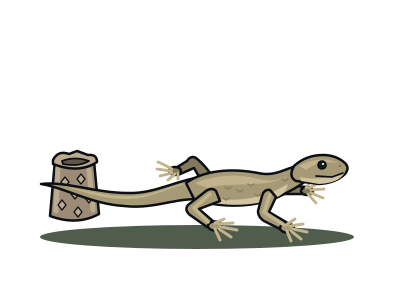
To picture its overall shape, think of a small modern lizard—not a dinosaur. Its jaws carried sharp teeth, preserved in the fossils. Those teeth were firmer evidence than any colour or pattern an artist might give its reconstructed body.
Its forest home was very different from present-day Nova Scotia. The region lay close to the equator. The fossil stumps preserved a glimpse of that ancient forest, as well as the remains of this little animal. Finding it inside a tree did not prove that it climbed trees.
Forest dweller
Its name meant ‘forest dweller’.
An early report
William Dawson reported the discovery to the Geological Society in 1859.
Named for a friend
Dawson named the species in honour of his mentor and friend, the geologist Charles Lyell.
Next to it on the tree
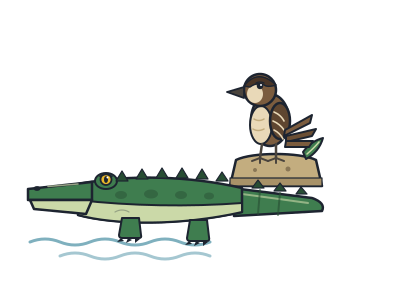
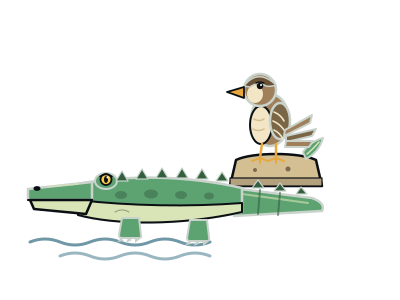
- Reptiles and birdsBirds belong here: a sparrow is a closer relative of a crocodile than a crocodile is of a lizard.
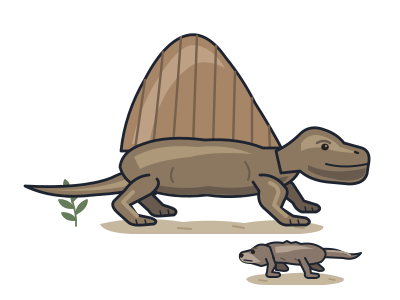
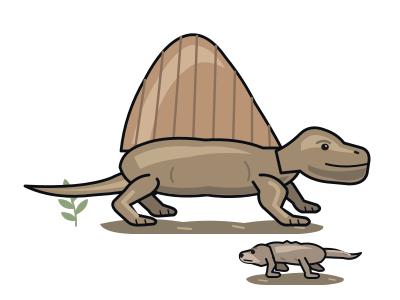
- Mammals and their ancestorsLong before dinosaurs, our sail-backed and tusked forerunners ruled the land.
- ScutosaurusA cow-sized, bony-plated plant-eater that lived just before the Permian mass extinction.
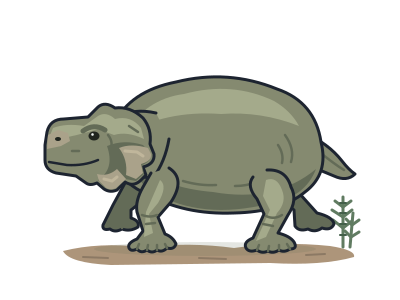
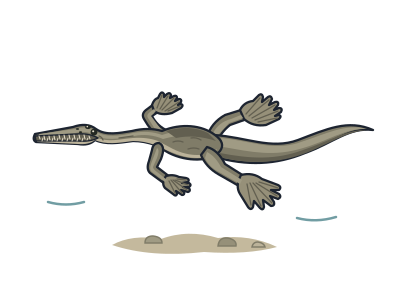
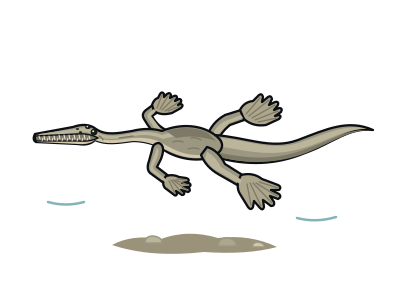
- MesosaurusA small swimming reptile found in both Africa and South America, evidence the continents were joined.