A species
Golden hamster
Mesocricetus auratus
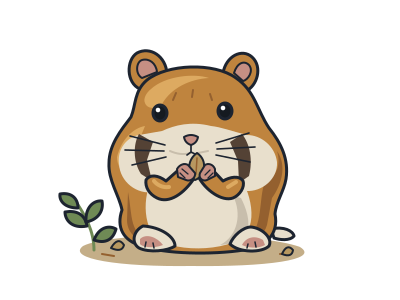
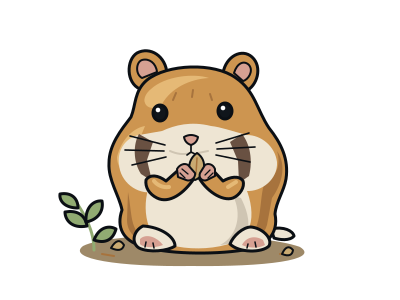
Cheeks that pack all the way to its shoulders
You and the golden hamster meet in the Primates, rodents and rabbits branch, shown at about 90 million years ago (on 24 December, in a calendar from life's shared ancestor to today).
The golden hamster stuffs food into two cheek pouches that reach all the way back to its shoulders. These stretchy pockets sit inside its mouth: they carry food, rather than acting as extra stomachs. It belongs to the rodent branch alongside mice, rats, squirrels and beavers. Yet not every rodent has this trick—tree squirrels have no cheek pouches.
Wild golden hamsters have golden-brown backs and pale bellies. Their native home is a small area around Aleppo in Syria and in south-eastern Turkey. They burrow in dry, open country, including farmland, rather than living only among bare desert sands. Their food includes seeds, nuts and insects.
Being a familiar pet does not make this species safe in the wild: it is listed as Endangered. Wild populations face habitat loss and are killed as crop pests. Meanwhile, pet hamsters have been bred in many colours, markings and fur textures—not every golden hamster is golden.
More than a food bag
Its cheek pouches can carry bedding material too.
Scent-marked boundaries
It rubs scent glands on its sides against surfaces to mark its territory.
Mother does the raising
The mother raises the young without help from the father.
Next to it on the tree
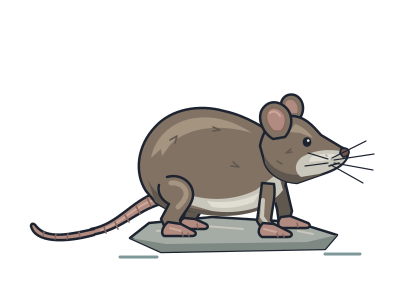
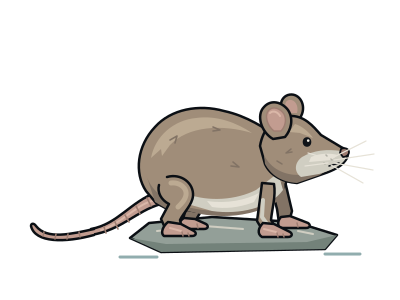
- House mouseFollowed farmers around the world, and shares most of its genes with you.
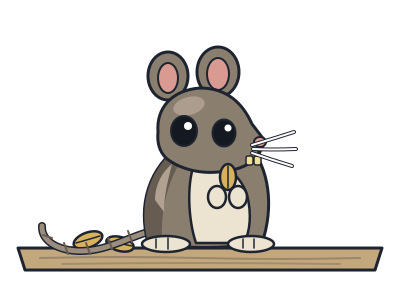
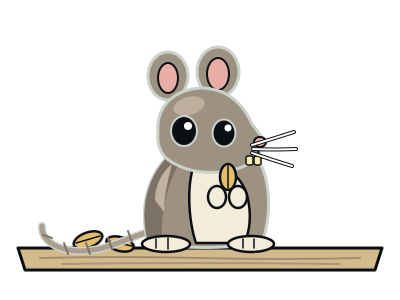
- Brown ratFollowed people across the world; makes calls described as “laughter” during tickling and play.
- Mongolian gerbilA desert rodent that thumps its feet as an alarm signal; now a popular pet.
- Norway lemmingIts populations boom and crash, but lemmings do not leap off cliffs; that myth came from film.
- Long-eared jerboaA tiny hopping desert rodent with ears longer than its head and kangaroo-like back legs.
- Eurasian harvest mouseOne of Europe’s smallest rodents; it weaves ball-shaped nests in tall grass and grips with its tail.