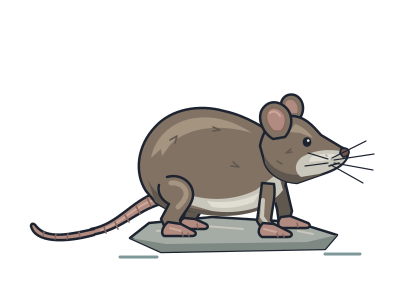
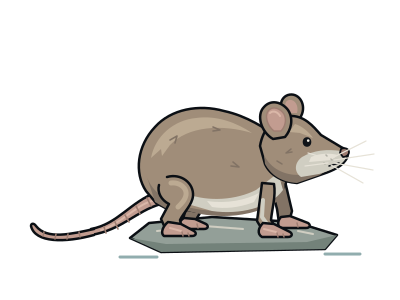
A species
Brown rat
Rattus norvegicus
A world traveller with “laughter” beyond our hearing
You and the brown rat meet in the Primates, rodents and rabbits branch, shown at about 90 million years ago (on 24 December, in a calendar from life's shared ancestor to today).
The brown rat has followed people to every continent except Antarctica—and can make calls often described as laughter when tickled. It belongs to the mouse-and-rat family, within the rodents. Squirrels and beavers are rodents too, despite looking so different.
This “laughter” is not a chuckle you can hear. The calls are far too high-pitched for human ears. Rats also make these calls during play, so tickling is not the only trigger. Not every rat enjoys being tickled.
Brown rats are strong swimmers and often live near water. They can also settle in towns, farms and fields wherever food and shelter are available. Smell helps them find food and recognise other rats. In darkness, their whiskers and paws help them feel their way.
Shared care
Females may share a nest and nurse one another’s young.
Rooms underground
Their burrows can have separate chambers for nesting and storing food.
Not always brown
Pet brown rats are the same species as wild brown rats, even when their coats are white or black.
Next to it on the tree
- House mouseFollowed farmers around the world, and shares most of its genes with you.
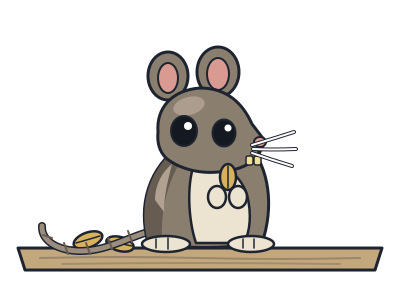
- Golden hamsterStuffs food into cheek pouches that reach back to its shoulders.


- Mongolian gerbilA desert rodent that thumps its feet as an alarm signal; now a popular pet.
- Norway lemmingIts populations boom and crash, but lemmings do not leap off cliffs; that myth came from film.
- Long-eared jerboaA tiny hopping desert rodent with ears longer than its head and kangaroo-like back legs.
- Eurasian harvest mouseOne of Europe’s smallest rodents; it weaves ball-shaped nests in tall grass and grips with its tail.